
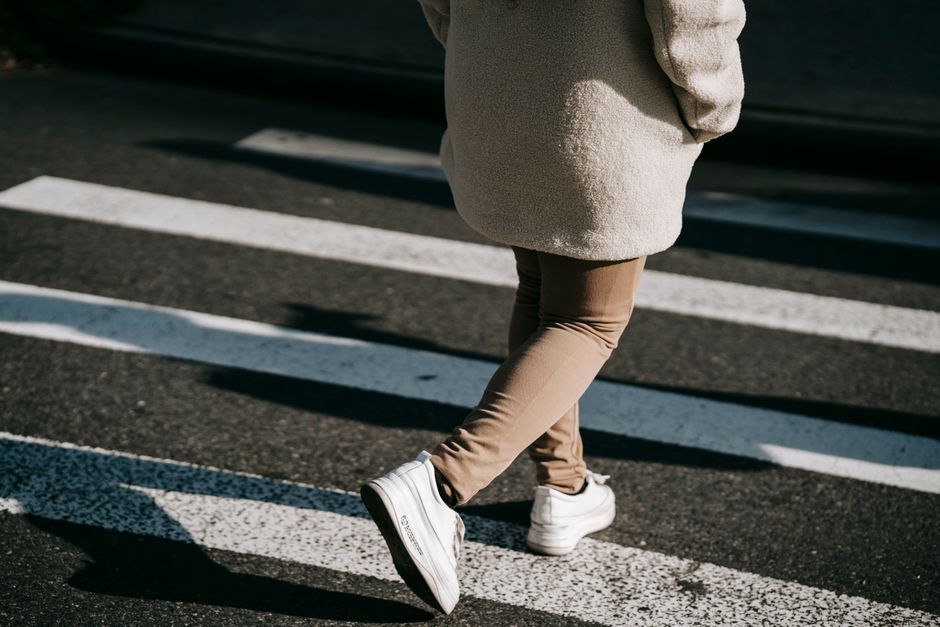
You are dressed for a full day: coffee, a train ride, the office, and dinner afterward. One sneaker looks crisp with tailored trousers. The other gives your outfit a sharper streetwear edge. Both appear in the same fashion feeds, but they solve different wardrobe problems.
This is not legal advice. Consult a licensed attorney for legal questions; this page discusses fashion, materials, and personal style only.
Veja vs. Samba OG: Which One Looks Better With Your Wardrobe?
The VEJA Campo is the better choice for a clean, polished wardrobe. The Adidas Samba OG wins when you want a slimmer, sportier line. These shoes overlap, but they do not create the same silhouette.
Side-by-side comparison
| Factor | VEJA Campo | Adidas Samba OG |
|---|---|---|
| US list price checked for 2026 | $175 | $110 |
| Visual shape | Structured, slightly wider cupsole | Low-profile gum-sole shape |
| Best outfit match | Tailored trousers, straight jeans, midi skirts | Baggy denim, track pants, mini skirts |
| Style message | Quiet, considered, minimal | Retro football and streetwear |
| Sustainability position | Material and sourcing details are central to the brand | Classic design, but sustainability claims vary by version |
The Campo has more visual weight at the heel and toe. That makes it useful with wide-leg trousers, long coats, and denim that needs a firm base. The VEJA Campo is listed at $175 in the US, so its higher price needs to make sense as a frequent-wear shoe.
The Samba OG is less expensive and easier to dress down. Its narrow profile works well with cropped jeans, loose cargos, and athletic pieces. The Adidas Samba OG is listed at $110, giving it the stronger value case for trend-led outfits. The clear verdict: choose Campo for a refined everyday uniform; choose Samba OG for a more recognizable streetwear look.
What Makes a Sneaker Sustainable in the First Place?

A sustainable sneaker is not defined by one green label. Its real impact comes from several connected choices: the raw materials, how workers are treated, how far components travel, how long the shoe lasts, and what happens after the final wear.
Start with the upper material
Leather can last for years, but tanning uses water, energy, and chemicals. Plant-based or recycled materials can reduce some impacts while creating other tradeoffs, including coatings, mixed fibers, and difficult recycling. A material name alone does not prove that a shoe is the lower-impact choice.
Look past the marketing line
Ask for specifics. Does the brand name the source of its cotton, rubber, or recycled fibers? Does it publish factory information? Does it explain what percentage of the shoe uses the claimed material? Clear answers build trust. Vague words such as eco, conscious, or responsible do not tell you enough.
Longevity is part of the calculation
A shoe worn twice creates a poor value story, even if one component has a better environmental profile. Fit, comfort, repair options, and color all matter. Neutral uppers usually earn more wears because they work across seasons. Care also matters: brush off dry dirt, use a damp cloth, and let wet shoes air-dry away from direct heat.
The best sustainability decision is often the pair you will wear at least twice a week for several years. That principle makes the comparison more honest than treating a material claim as a final score.
How to Match the Sneaker to Your Actual Wardrobe
Pick the shoe that supports the clothes already hanging in your closet. A sneaker that looks excellent in isolation can still become an expensive orphan if its shape fights your trousers, skirts, or daily routine.
- Count your bottoms. If most of your wardrobe includes wide-leg pants, relaxed denim, and long skirts, the VEJA Campo gives those outfits enough visual weight. Its US list price is $175, so it earns the money only if it becomes a regular rotation piece.
- Check your outfit contrast. If you wear black, navy, gray, and dark denim, a white-and-black Adidas Samba OG adds a strong graphic break. If your clothes already have bold logos or sporty details, a quieter court sneaker may look more balanced.
- Test the toe box before judging the style. Walk for ten minutes in the socks you normally wear. Your toes should move freely, and your heel should stay stable without a hard squeeze across the midfoot. A fashionable fit that causes rubbing will not become sustainable through good intentions.
- Use color as a wear multiplier. White leather looks polished but shows creases and scuffs quickly. Cream, gray, black, or a muted logo can handle more outfits and less frequent cleaning. The VEJA Esplar, listed at $155 in several US colorways, is the stronger pick if you want a simpler, less bulky alternative to Campo.
Two practical tips help before you buy: photograph three outfits with the shoe shape held beside them, and compare the new pair with the sneaker you already wear most. If the shapes look nearly identical, buy the one that fills a real gap rather than adding another version of the same outfit.
Five Buying Mistakes That Make a Sustainable Sneaker a Bad Purchase

The biggest mistake is buying the idea of a sneaker instead of the sneaker you will actually wear. These checks prevent most regrets.
- Ignoring comfort for a clean photo. A flat sole may look elegant but feel tiring during long walks. Your normal commute matters more than a single mirror picture.
- Assuming every colorway has the same materials. Brands often change the upper, lining, or recycled content between versions. Read the exact product page for the color and model you plan to buy.
- Choosing a size by habit. Court shoes can fit differently from running shoes. Measure both feet late in the day and leave enough room for your longest toe.
- Buying white shoes for a messy routine. If you walk through rain, commute by bicycle, or spend time outdoors, a darker color may receive far more use and last longer visually.
- Treating a high price as proof of ethics. Cost can reflect materials, labor, design, retail markup, or all four. Price is evidence of expense, not automatic evidence of better practice.
There is also a simple timing mistake: purchasing during a trend peak when you are unsure about the shape. Wait a week, build two outfits around the shoe, and decide if it still solves a wardrobe problem. If the answer is no, the most responsible purchase is the one you skip.
Which Sneaker Should You Buy in 2026?

For a sustainability-first wardrobe, choose the VEJA Campo. For the best lower-cost style impact, choose the Adidas Samba OG. That is the clearest answer after weighing price, silhouette, wardrobe use, and material transparency.
Is VEJA the greener choice?
VEJA has made sourcing and production part of its public identity, including discussion of organic cotton, Amazonian rubber, factory audits, and material limits. That does not make every VEJA model impact-free. Leather still carries a meaningful environmental cost, and long-term wear remains essential. Still, the brand gives a sustainability-focused shopper more information to examine than a simple trend label.
Who should buy the Adidas Samba OG?
Buy the Samba OG if your wardrobe leans toward relaxed denim, track pants, short skirts, vintage sportswear, or fitted tops with loose bottoms. It is the stronger choice for a slim, recognizable silhouette and a $110 entry price. Do not buy it only because it appears everywhere; its narrow profile can look lost beneath very wide trousers.
What is the best one-pair decision?
If you want one sneaker for office-casual outfits, travel days, and polished weekend clothes, the Campo is the better long-term bet. If you want one sneaker to sharpen casual outfits and keep the purchase closer to $100, the Samba OG wins. In the opening scenario, the person moving from coffee to dinner should choose Campo when the day calls for quiet polish and Samba OG when the outfit is built around streetwear contrast. The right pair is the one that makes those existing clothes easier to wear, not the one with the loudest trend signal.
