
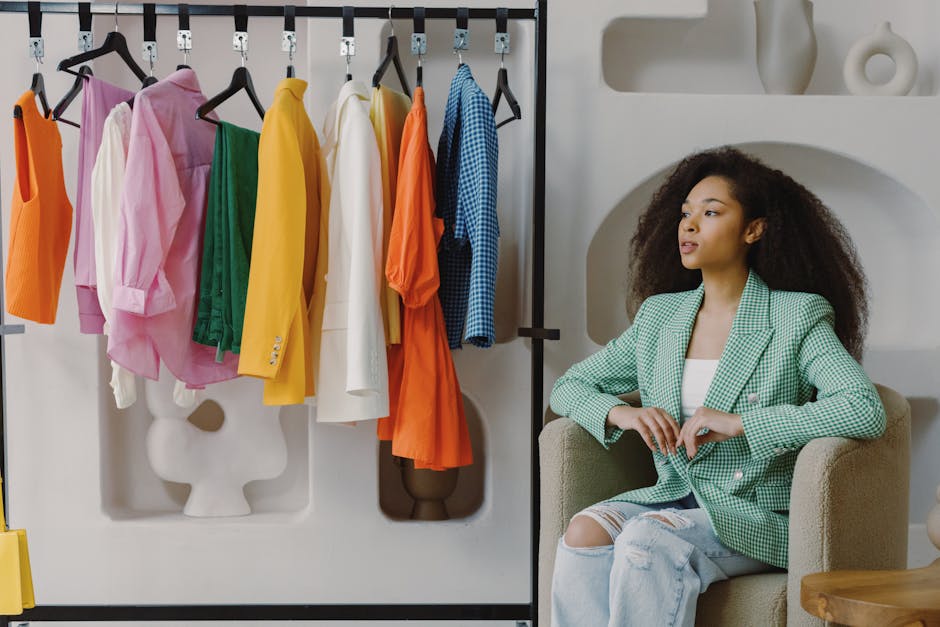
Struggling to find a stylish, well-made blazer that doesn’t break the bank? It’s a common dilemma. You need that versatile piece for work, a smart casual event, or just to elevate an everyday outfit. But the thought of paying full price for a quality garment, or worse, settling for a flimsy, ill-fitting alternative, can be frustrating. Finding the sweet spot between a good price and lasting quality requires a sharp eye and a strategic approach. This guide cuts through the noise, showing you exactly how to hunt down those elusive blazer deals.
Why True Blazer Value is Hard to Pin Down
Blazers aren’t just jackets; they’re structured garments with specific tailoring requirements that directly impact their price. The complexity of construction, the type of fabric, and the labor involved all contribute to a higher cost compared to simpler outerwear. Many shoppers often mistake a low price tag for a good deal, only to find the garment loses its shape or pills after a few wears. Understanding what truly makes a blazer valuable is your first step to identifying a worthwhile deal.
The Cost of Craftsmanship: Understanding Blazer Construction
A quality blazer involves significant craftsmanship. This includes features like a full lining for comfort and durability, precise stitching, and often, canvassing – a layer of horsehair or synthetic material sewn between the outer fabric and the lining that gives the jacket its shape. Brands like Theory or Reiss often command higher prices because they invest heavily in these construction details, ensuring the blazer drapes well and maintains its form over time. Cheaper blazers might use fused interlining, which is glued rather than sewn, leading to bubbling or a stiff feel after dry cleaning. Look for smooth seams, neatly finished buttonholes, and a lining that doesn’t pull or sag.
Brand Tax vs. Material Quality: Where Your Money Goes
Part of a blazer’s price is undoubtedly a “brand tax.” You pay for the label, the marketing, and the perceived prestige of a designer. However, established brands often have stricter quality control and access to superior materials. For example, a wool blazer from J.Crew or Banana Republic, even on sale, typically offers better longevity and fit than a polyester blend from a fast-fashion retailer at a similar discounted price. It’s crucial to examine the fabric composition label. Opt for natural fibers like wool, linen, or cotton, or high-quality blends with a significant percentage of these materials, over 100% polyester, which often lacks breathability and can look cheap.
Spotting a Genuine Deal: Avoid the "Markdown Mirage"

Not every sale is a true deal. Sometimes, retailers mark down items that were overpriced to begin with, or push out inventory that has quality issues or poor design. Learning to distinguish between a genuine opportunity to save on a quality piece and a markdown mirage—a deceptive discount—is crucial. Your goal isn’t just a low price, but value: a well-made blazer at a significantly reduced, fair cost. This table outlines key indicators.
| Feature | Genuine Blazer Deal Indicators | Markdown Mirage Red Flags |
|---|---|---|
| Original Price | Originally priced at a premium (>$200-300 for wool blend), now 50%+ off. | Original price felt inflated; discount still leaves it expensive for the quality. |
| Fabric Content | Significant percentage of natural fibers (wool, linen, cotton) or high-quality blends. | Mostly synthetic (polyester, rayon) with a flimsy feel. |
| Construction | Fully lined, smooth seams, well-attached buttons, sturdy fabric. | Unlined or poorly lined, loose threads, cheap plastic buttons, thin fabric. |
| Fit & Style | Timeless silhouette, fits well in shoulders, suitable for multiple occasions. | Overly trendy, awkward fit, limited versatility, often in unpopular sizes. |
| Timing | End-of-season clearance, major holiday sales (Black Friday, Cyber Monday). | Random markdowns outside major sale periods, often for items that haven’t sold well. |
| Return Policy | Standard return policy for final sale items, or full returns on regular sale items. | "Final Sale" on everything, no returns or exchanges, forcing commitment. |
After reviewing the table, remember this: the best deal is one where you would have considered buying the item at its full price, but now you get it for less. If it’s something you wouldn’t have looked at otherwise, even a 70% discount isn’t a true saving.
The Calendar Advantage: Best Seasons for Blazer Savings
Timing your blazer purchase can save you a significant amount of money. Retailers operate on seasonal cycles, clearing out old inventory to make room for new collections. Knowing these cycles allows you to anticipate when the deepest discounts will hit. This strategy applies to almost all fashion items, but it’s particularly effective for staples like blazers.
- End-of-Season Sales (Winter & Summer): These are your prime opportunities.
- Winter Blazers: Look for discounts on wool, tweed, and heavier blazers from late January through March as spring collections arrive. Prices can drop by 50-70%.
- Summer Blazers: Linen, cotton, and lighter blends see steep markdowns from late July through September as fall items start appearing.
- Holiday Sales (Black Friday, Cyber Monday, Post-Christmas): These highly anticipated sales events offer store-wide discounts that often include blazers.
- Black Friday/Cyber Monday (late November): Expect 30-50% off sitewide at many retailers like J.Crew, Banana Republic, and Express.
- Post-Christmas/New Year’s Sales (late December/early January): Many stores continue significant discounts to clear out remaining holiday inventory.
- Mid-Season Refreshes (March/April & September/October): While not as dramatic as end-of-season sales, retailers often offer smaller promotions to boost sales between major collection drops.
- Keep an eye out for 20-30% off events during these months.
- Back-to-School/Work Promotions (August): As people prepare to return to school or work after summer, some brands targeting professional wear will offer discounts on blazers and other office attire.
- This is particularly good for classic, versatile styles in neutral colors.
- Retailer-Specific Events: Some brands and department stores have annual or semi-annual sales unique to them.
- For instance, Nordstrom’s Anniversary Sale (usually July/August) often includes new-season blazers at discounted prices before they return to full price. Signing up for email lists for brands you like (e.g., Madewell, Everlane) will give you direct alerts for these events.
Where to Hunt: Your Go-To Sources for Blazer Discounts

Finding a great blazer deal isn’t always about waiting for a specific calendar date; it’s also about knowing where to look. Different shopping avenues offer different advantages when it comes to price, selection, and quality. Your best strategy involves diversifying your search, checking a mix of traditional and non-traditional retailers.
Are Department Store Sales Worth It?
Absolutely, but with a strategy. Major department stores like Macy’s, Nordstrom, Bloomingdale’s, and Saks Fifth Avenue frequently hold large sales events, especially around holidays. Their off-price sister stores, such as Nordstrom Rack and Saks Off 5th, are also excellent hunting grounds. These stores carry current and past-season items from well-known brands like Theory, Rag & Bone, or Veronica Beard at substantial discounts. The trick is patience and persistence; inventory changes rapidly, and you might need to check back often. Always inspect garments carefully for damage before purchasing, as items in these stores can sometimes be shelf pulls or returns.
What About Online Retailers and Flash Sales?
Online retailers are a goldmine for blazer deals, especially during their clearance events or specific flash sales. Sites like ASOS, Zara (during their seasonal sales), and Mango frequently offer stylish blazers at competitive prices, with steep discounts on end-of-season stock. Keep an eye on direct-to-consumer brands too; Everlane, for example, occasionally runs a “Choose What You Pay” sale where blazers can be significantly reduced. For higher-end or designer blazers, platforms like The Outnet or Yoox specialize in discounted luxury. For secondhand luxury, sites like Poshmark, The RealReal, and Vestiaire Collective can yield incredible finds, often with authentication services for peace of mind.
Can Outlet Stores or Factory Brands Offer Real Value?
Outlet stores present a mixed bag. Some, like the J.Crew Factory or Banana Republic Factory, primarily sell lines specifically made for the outlet, which are typically of lower quality than their mainline counterparts. While the prices are lower, the fabrics and construction may not offer the same longevity. However, other outlet stores, especially those for premium brands, do sell genuine overstock or past-season items from their regular retail stores. The key is research: understand which brands make outlet-specific merchandise versus those that truly offer full-price items at a discount. Always check the labels for fabric composition and compare it to what the main store offers.
What’s the Secret to Scoring Secondhand Blazer Gems?
Thrifting and shopping consignment offer potentially the best value for blazers, especially for quality fabrics and tailoring. Local consignment shops, vintage stores, and larger thrift chains like Goodwill or The Salvation Army are treasure troves. On average, a quality wool or linen blazer from a reputable brand can be found for under $50, sometimes even under $20. The secret is knowing what to look for: intact linings, sturdy buttons, no major stains or tears, and a fit that’s either perfect or easily alterable. You’ll often find blazers from brands like Ann Taylor, Talbots, or even designer labels for a fraction of their original cost. Be prepared to try on many items and don’t be afraid of minor alterations to get the perfect fit.
Essential Blazer Styles to Prioritize for Versatility
Invest in classic, neutral blazers first; trend pieces come later and cheaper. When you’re hunting for deals, it’s easy to get sidetracked by flashy colors or overly trendy cuts. However, the true value in a blazer comes from its versatility and timeless appeal. Prioritizing classic styles ensures that your discounted find will serve you well for years, not just a single season. A foundational blazer wardrobe focuses on core colors and enduring silhouettes that can be dressed up or down effortlessly.
The Core Four: Your Wardrobe’s Foundation Blazer Colors
Focus your initial search for deals on these indispensable shades. These colors act as chameleons in your closet, pairing seamlessly with almost any other color or pattern you own, maximizing the utility of your investment.
- Black: The ultimate classic. Perfect for formal events, professional settings, or adding an edgy touch to casual wear.
- Navy: A softer alternative to black, incredibly versatile, and often perceived as more approachable. Pairs beautifully with denim and lighter tones.
- Grey (Charcoal or Light): Another fantastic neutral that works equally well for business or casual outfits. Charcoal offers sophistication, while a lighter grey can brighten an ensemble.
- Camel/Tan: Adds warmth and a touch of effortless chic. Excellent for transitional seasons and complements both dark and light palettes.
By securing these core colors, you build a robust foundation that can be accessorized and styled in countless ways, making each blazer deal a long-term win.
Silhouettes That Endure: Tailored, Relaxed, and Oversized Options
Beyond color, consider the silhouette that best suits your personal style and needs. While trends come and go, certain cuts remain perennially chic. Aim for a mix of these shapes to cover all your bases.
- The Tailored Blazer: This is the most traditional option, designed to fit close to the body, accentuating the waist. It’s ideal for professional environments and gives a polished, sharp look. Look for single-breasted styles with one or two buttons.
- The Relaxed Blazer: A slightly looser fit than tailored, offering more comfort and a modern, understated elegance. It’s fantastic for smart casual looks, easily paired with jeans or trousers, and can be worn open over a T-shirt or blouse.
- The Oversized Blazer: A more fashion-forward yet still enduring choice, often borrowed from menswear. This style creates a confident, modern aesthetic and is perfect for layering. It works exceptionally well with more fitted bottoms to balance the proportions.
When you find a blazer deal, ensure the silhouette aligns with your existing wardrobe and lifestyle. A tailored navy blazer will likely get more wear than a bright, oversized novelty print, even if the latter is a deeper discount.
Preserving Your Blazer Deal: Care Tips for Longevity

Proper care is non-negotiable for extending the life of any blazer, especially a discounted one. After all, a bargain isn’t a bargain if it only lasts a few wears before looking shoddy. Treat your blazers with respect.
Instead of frequent dry cleaning, which can be harsh on fabrics, opt for steaming to remove wrinkles and freshen the garment. Spot clean small stains immediately with a damp cloth and mild soap. Always hang blazers on sturdy, contoured hangers to maintain their shoulder shape, avoiding wire hangers that can distort the fabric. Allow blazers to air out between wears, especially if they’ve been in a crowded environment.
The savviest blazer deals aren’t just about the lowest price; they’re about finding enduring quality you’ll actually wear for years.
