
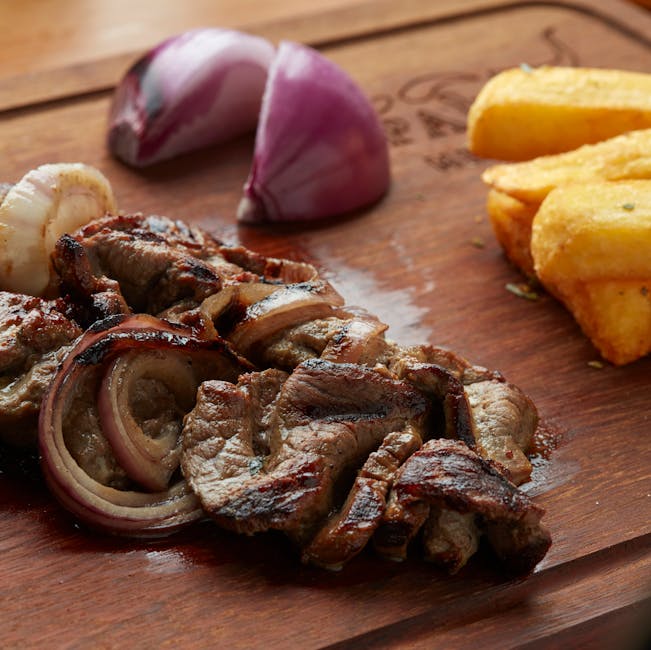
The Core Components of a Killer Marinade
Skirt steak isn’t just a cut; it’s a blank canvas begging for flavor. But you can’t just throw anything at it. A truly great marinade, one that makes skirt steak tender and flavorful, isn’t magic. It’s science, specifically, the right blend of acid, oil, and aromatics. Ignore any recipe that skips these fundamentals. You’ll just end up with bland, tough meat. We’re aiming for a steak that practically melts, not one you have to fight. Understanding each component means you can tweak it to perfection, every single time. This isn’t about guesswork; it’s about precision. Don’t overthink it, but don’t underthink it either.
Acid: Breaking Down the Fibers
This is non-negotiable for skirt steak. Skirt steak has tough muscle fibers. Acid starts the tenderizing process, breaking down those connective tissues. Without it, you’re chewing, not savoring. But here’s the kicker: too much acid, or marinating too long in a strong acid, and you’ll “cook” the meat, making it mushy on the outside and still tough inside. That’s a ruined steak. Lemon juice, lime juice, vinegar (red wine, apple cider, or white vinegar), or even a tangy yogurt work wonders. Each brings its own flavor profile, so choose wisely. For most applications, something like fresh lime juice or red wine vinegar is your best bet. They have enough punch to work without being overwhelmingly aggressive. Roughly 1/4 to 1/2 cup for two pounds of skirt steak is the sweet spot. Anything beyond that, you’re playing with fire.
Oil: Flavor Carrier and Moisture Keeper
Oil does two critical jobs. First, it helps carry those fat-soluble flavors from your herbs and spices directly into the meat. Think of it as a delivery system. Second, it helps keep the steak moist during cooking. Without oil, your marinade might just sit on the surface, and your steak will dry out faster on the grill or pan. You want a neutral oil that won’t compete with the steak’s flavor or the marinade’s aromatics. Vegetable oil, canola oil, or light olive oil are perfect. Extra virgin olive oil can burn at high heat, and its flavor can be too strong. Stick to a clean, simple oil. You don’t need a ton, maybe 1/4 cup per two pounds of meat. It’s about coating, not drowning.
Flavor Builders: Aromatics and Spices
This is where you infuse the actual taste. Garlic, onion, shallots, and fresh herbs like cilantro, parsley, or oregano are your foundation. Don’t skimp here. Garlic and onion, especially, bring depth. Fresh is always better than powdered, but if you’re in a pinch, powdered works. Add some heat with chili powder, smoked paprika, or a dash of cayenne. A little sweetness, like brown sugar or honey, balances the acid and helps with caramelization on the grill – crucial for that perfect crust. And salt, obviously, for seasoning. Always use kosher salt or sea salt. Black pepper, freshly cracked, is also a must. This blend creates a complex flavor profile that elevates the skirt steak beyond basic grilled meat. This isn’t optional; it’s essential.
My Go-To Skirt Steak Marinade Formula
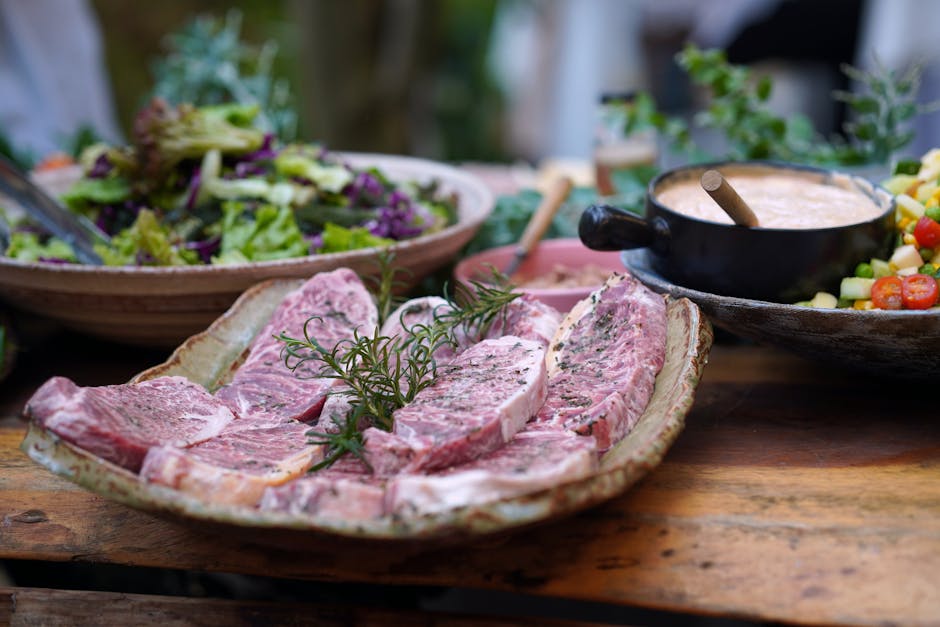
Forget complicated recipes with twenty ingredients you don’t have. This formula is direct, effective, and delivers every time. It’s built on the principles we just covered. This isn’t a suggestion; it’s the recipe. You need these ingredients. If you’re missing something, adapt, but know you’re compromising. This is for about two pounds of skirt steak. Adjust proportions for more or less meat, but keep the ratios consistent.
- The Acid Punch: Start with 1/4 cup fresh lime juice. No bottled crap. Fresh. Immediately.
- The Oil Base: Add 1/4 cup neutral oil. Canola, vegetable, or light olive oil. Don’t use your fancy extra virgin here.
- Aromatics & Spice Power:
- 4 cloves garlic, minced (don’t even think about garlic powder unless it’s an emergency).
- 1/2 small white onion, grated or very finely minced.
- 1/4 cup chopped fresh cilantro.
- 2 tablespoons chili powder.
- 1 tablespoon ground cumin.
- 1 teaspoon smoked paprika.
- 1 teaspoon black pepper, freshly cracked.
- Sweet & Salty Balance:
- 1 tablespoon brown sugar (packed).
- 1 tablespoon kosher salt. Adjust if your chili powder blend already has salt.
The Exact Ratios
You can scale this up or down. The key is understanding the balance. For every pound of skirt steak, you need roughly 2 tablespoons of acid, 2 tablespoons of oil, and about 1-2 tablespoons of the dry spice mix (including salt and sugar), plus aromatics. Don’t just eyeball it and hope for the best. Precision matters for consistency. If you want more heat, add a pinch of cayenne. More earthy flavor? Up the cumin. But don’t mess with the acid-to-oil ratio too much. That’s your structural integrity.
Step-by-Step Mixing
It’s not rocket science, but there’s a right way.
- In a medium bowl, whisk together the lime juice, neutral oil, brown sugar, and kosher salt until the sugar and salt are mostly dissolved. This ensures even distribution.
- Stir in the minced garlic, minced onion, fresh cilantro, chili powder, cumin, smoked paprika, and black pepper. Mix thoroughly until everything is well combined and fragrant.
- Place your skirt steak in a resealable plastic bag or a shallow non-reactive dish. Pour the marinade over the steak, making sure it’s completely coated. Use your hands to massage the marinade into the meat.
- Seal the bag, squeezing out as much air as possible, or cover the dish tightly with plastic wrap. Refrigerate immediately.
That’s it. Simple, effective, no fuss.
Marinating Time: Don’t Screw This Up
This is where most people go wrong. Skirt steak is thin. It absorbs flavor fast. You don’t need to marinate it overnight. In fact, you shouldn’t. An overnight bath in an acidic marinade will turn your steak mushy, not tender. You want some chew, some texture, not something that feels like it’s been pre-chewed. For two pounds of skirt steak, 2 to 4 hours is the absolute sweet spot. Anything under 2 hours, and you’re missing out on flavor. Anything over 4 hours, and you’re degrading the meat. Period. Stick to it.
Common Marinade Mistakes

Look, everyone makes errors. But with marinades, a small mistake can ruin an entire meal. These are the big ones. Avoid them. Seriously.
Too Much Salt, Too Soon
This is a classic rookie error. Over-salting a marinade can draw too much moisture out of the steak, leaving it dry and tough, even with the oil. Salt is important for flavor, but it also cures. If you’re marinating for several hours, use a moderate amount of salt. My recommended tablespoon for two pounds of steak is balanced. If you like things saltier, add more after cooking, or use a finishing salt. Don’t rely on the marinade to be your only salt source. It needs to penetrate the meat, not strip it of moisture. Think of it as a seasoning step, not a brining step.
Forgetting the Sugar
Some people skip the sugar, thinking it’s unnecessary. They’re wrong. A little bit of brown sugar or honey in your marinade does more than just add sweetness. It helps with the Maillard reaction, that beautiful browning and caramelization that gives grilled steak its incredible flavor and crust. Without it, your steak will still cook, sure, but it won’t develop that depth of flavor and texture on the surface. It balances the acidity and the savory notes, creating a more complex, well-rounded taste. It’s a crucial component for that perfect grilled finish. Don’t cut it.
Not Drying the Steak Post-Marinade
This is a big one, and often overlooked. When you pull your skirt steak out of the marinade, it will be wet. If you throw a wet steak directly onto a hot grill or pan, that moisture immediately turns to steam. Steam is the enemy of searing. You won’t get that desirable crust; you’ll essentially be steaming your steak. Before it hits the heat, remove the steak from the marinade and pat it thoroughly dry with paper towels. You want a dry surface. This ensures maximum contact with the hot cooking surface, leading to a fantastic sear and a much more flavorful piece of meat. This isn’t optional; it’s fundamental for good grilling.
What About Different Flavor Profiles?
My core marinade recipe is fantastic, a true workhorse. But sometimes, you want to switch things up. Different acids, different aromatics, different spices – they all lead to unique and delicious results. This isn’t about reinventing the wheel, but about smart substitutions. You still need acid, oil, aromatics, and seasoning. Don’t forget that. This table shows you how to twist the flavor without losing the core function of the marinade.
| Flavor Profile | Recommended Acid | Key Aromatics/Spices | Notes |
|---|---|---|---|
| Classic Tex-Mex | Lime Juice | Cilantro, Cumin, Chili Powder, Smoked Paprika, Garlic | My go-to. Hard to beat this for fajitas or tacos. Fresh, zesty, with a smoky kick. |
| Argentinian-Inspired | Red Wine Vinegar | Parsley, Oregano, Garlic, Red Pepper Flakes | More herbaceous, less smoky. Great with a fresh chimichurri. Brings a bright, savory note. |
| Asian-Fusion | Soy Sauce (as flavor, with a splash of Rice Vinegar as acid) | Garlic, Ginger, Sesame Oil, Brown Sugar, Green Onions | Slightly sweeter, umami-rich. Make sure the rice vinegar is present for tenderizing. |
| Mediterranean Twist | Lemon Juice | Oregano, Rosemary, Thyme, Garlic, Black Pepper | Bright and aromatic. Pairs well with grilled vegetables. Use fresh herbs for best results. |
Asian-Inspired Variations
When you go Asian, you’re leaning into umami and a bit more sweetness. Soy sauce becomes a major player, but remember, it’s primarily for flavor and salt. You still need an acid. Rice vinegar works perfectly. Add grated fresh ginger, a touch of sesame oil for depth, and plenty of minced garlic. Brown sugar is even more critical here to achieve that beautiful sticky glaze when grilling. Don’t forget green onions in the marinade for that fresh, pungent kick. This profile is fantastic for lettuce wraps or rice bowls. It’s a different beast than the Tex-Mex, but just as effective.
Herbaceous Options
If you want to move away from the chili-cumin profile, fresh herbs are your friend. For an Argentinian vibe, swap lime juice for red wine vinegar. Load up on fresh parsley and oregano, minced garlic, and a pinch of red pepper flakes for a subtle heat. Thyme and rosemary also work well, especially with lemon juice, for a Mediterranean feel. The key here is using fresh herbs; dried herbs often fall flat in a marinade unless rehydrated or used in much larger quantities. These options deliver a brighter, more savory steak, less about spice and more about aromatic complexity.
Skirt Steak Prep & Cook: Beyond the Marinade
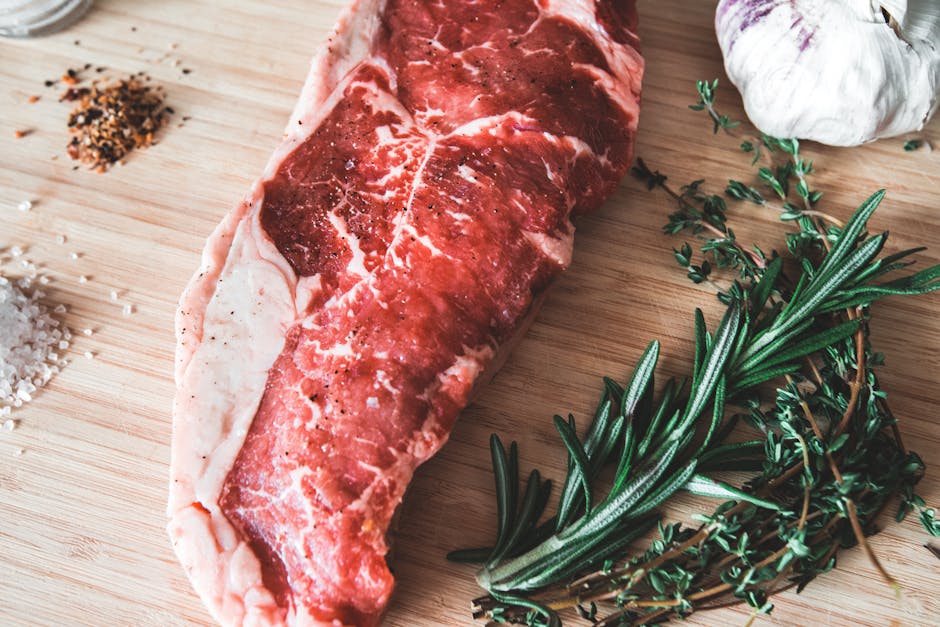
A perfect marinade is only half the battle. You can have the best marinade on the planet, but if you screw up the prep or cook, it’s all wasted. Pay attention.
How long should I marinate skirt steak?
As stated, 2 to 4 hours. No more. Skirt steak is thin and porous. It absorbs flavor quickly. Any longer than 4 hours, especially with acidic marinades, and you risk the meat turning mushy. You’ll lose that satisfying steak texture. For thicker cuts, you might push it, but not with skirt steak. Set a timer. Seriously.
Do I need to pat the steak dry after marinating?
Absolutely. This isn’t optional. After removing the steak from the marinade, pat it bone dry with paper towels. You want to remove all excess surface moisture. Why? Because a dry surface is crucial for achieving a proper sear and a beautiful crust on the steak. If the surface is wet, the moisture will steam the steak instead of searing it. Steamed meat is gray and bland. Seared meat is brown, flavorful, and has texture. Don’t skip this step.
What’s the best way to cook skirt steak for tenderness?
High heat, fast cook. That’s the mantra. Skirt steak needs to be cooked quickly over high heat to prevent it from becoming tough. Grill it over direct high heat, or use a screaming hot cast-iron skillet. Aim for a medium-rare to medium internal temperature, around 130-135°F (54-57°C). Cook for about 2-4 minutes per side, depending on thickness and heat. Crucially, slice the skirt steak against the grain after it rests. This step is non-negotiable for tenderness. If you slice with the grain, you’ll have stringy, tough meat. Rest the steak for 5-10 minutes before slicing to let the juices redistribute. Don’t rush it.
