

Finding the right balance between trail-ready technical specifications and an aesthetic that doesn’t look out of place in a metropolitan setting has become a central challenge for the modern outdoor enthusiast. Bass Pro Shop, often viewed through the lens of traditional hunting and fishing, has quietly evolved its inventory to include some of the most respected names in global footwear. This shift reflects a broader cultural movement where the lines between high-performance gear and everyday fashion have blurred significantly. When we look at the shelves of a massive retailer like Bass Pro Shop, we aren’t just looking at rubber and leather; we are looking at the culmination of decades of ergonomic research and material science. Selecting a boot requires more than a cursory glance at the price tag or the colorway. It demands an understanding of midsole densities, outsole compounds, and the specific architecture of the upper. The following analysis explores the highest-performing options currently available, weighing their technical merits against their visual versatility.
The Intersection of Rugged Utility and Modern Outdoor Style
The rise of the “gorpcore” aesthetic has fundamentally changed how we evaluate hiking boots. No longer are these items relegated to the dark corners of a mudroom; they are now paired with high-end technical trousers and raw denim in urban environments. At Bass Pro Shop, the inventory reflects this duality. The primary tension in boot design exists between weight and support. A heavier boot, often constructed from full-grain leather, offers unparalleled ankle stability and longevity but comes at the cost of increased fatigue during long excursions. Conversely, modern synthetic hikers utilize bonded overlays and lightweight meshes to reduce weight, though they may lack the structural integrity required for multi-day backpacking with a heavy load. Understanding where a specific model falls on this spectrum is the first step in making an informed purchase.
Material Science: Gore-Tex vs. Proprietary Membranes
One of the most significant factors in both the cost and performance of a hiking boot is the waterproof membrane. Most premium boots at Bass Pro Shop utilize Gore-Tex (GTX), a multi-layered expanded polytetrafluoroethylene (ePTFE) material. This membrane features billions of pores per square inch, each smaller than a water droplet but larger than a molecule of water vapor. This allows sweat to escape while preventing rain from entering. However, some brands like Merrell or Bass Pro’s house brand, Ascend, use proprietary membranes. While these are often more affordable, they may not offer the same level of breathability or long-term durability as genuine Gore-Tex. For those who prioritize a dry climate inside the boot during high-output activities, the investment in a GTX-rated model is typically justified. It is a trade-off between upfront cost and long-term comfort in varying weather conditions.
The Role of Outsole Compounds
Traction is not just about the depth of the lugs; it is about the chemistry of the rubber. Bass Pro Shop stocks several models featuring Vibram outsoles, which are widely considered the gold standard in the industry. Vibram offers different compounds, such as Megagrip for wet, slippery surfaces or XS Trek for a balance of durability and flexibility. When examining a boot, one should look at the lug pattern. Deep, widely spaced lugs are designed to shed mud and debris, whereas tighter, shallower patterns provide better contact on flat rock surfaces. If the goal is a boot that transitions from the trail to the pavement, a mid-depth lug is usually the most versatile choice, preventing that “walking on cleats” sensation on hard surfaces while still providing enough bite for weekend hikes. The hardness of the rubber also dictates how fast the sole will wear down; softer rubbers grip better but disappear faster on asphalt.
Comprehensive Evaluation of Top-Tier Footwear at Bass Pro Shop

The sheer variety of footwear at a large-scale retailer can be overwhelming, but a few specific models consistently stand out for their construction quality and reliability. Each of these boots represents a different philosophy of movement. Some prioritize the natural flex of the foot, while others aim to lock the ankle into a protective cage. By examining the specific builds of the Salomon, Merrell, and Lowa offerings, we can see how different engineering choices lead to different experiences on the trail. It is also worth noting that the “best” boot is entirely dependent on the individual’s foot shape—specifically the width of the toe box and the volume of the midfoot.
Salomon Quest 4 GTX: The Technical Powerhouse
The Salomon Quest 4 GTX is frequently cited as one of the most supportive boots on the market, and for good reason. It features a 4D Advanced Chassis that guides the foot even on the most uneven terrain, reducing muscle fatigue. The aesthetic is decidedly technical, with a mix of nubuck leather and textile that looks purposeful and aggressive. At approximately $230, it is a significant investment. The pro of this model is the incredible lateral stability; it feels almost like a ski boot for the trail, making it ideal for those prone to rolled ankles. The con, however, is the stiffness. For casual walks or light errands, the Quest 4 can feel like overkill, and the visual design is difficult to dress down. It is a tool for serious elevation and heavy packs.
Merrell Moab 3: The Versatile Classic
Often called the “Mother of All Boots,” the Merrell Moab 3 is a staple at Bass Pro Shop. Priced around $120, it offers a more accessible entry point into quality footwear. The Moab 3 uses a Vibram TC5+ outsole and a pigskin leather upper. Its greatest strength is its out-of-the-box comfort; the heel cup is well-contoured, and the cushioning is generous. However, the Moab 3 is relatively heavy for a low-to-mid hiker and lacks the sophisticated support structures found in more expensive models. From a style perspective, the Moab has a chunky, retro-hiker vibe that fits well with the current trend of oversized silhouettes. It is a reliable, if unexciting, choice for the person who wants one boot for everything from dog walks to moderate day hikes.
Lowa Renegade GTX: Heritage Craftsmanship
For those who prefer a more traditional look without sacrificing modern technology, the Lowa Renegade GTX is the standout. Built on a Monowrap frame construction, this boot provides a sleek profile while maintaining excellent support. The upper is made of high-quality nubuck leather, which, if treated properly, can last for many years. Retailing near $250, it is at the top of the price range at Bass Pro Shop. The primary benefit is the weight-to-support ratio; it feels much lighter than it looks. The downside is the break-in period; the leather is stiffer than synthetic alternatives and requires several miles to conform to the wearer’s foot. Visually, its clean lines and leather finish make it the most “fashion-forward” of the heavy-duty hikers, pairing easily with a variety of trousers.
| Model | Approx. Price | Primary Pro | Primary Con | Best Use Case |
|---|---|---|---|---|
| Salomon Quest 4 GTX | $230 | Exceptional ankle stability | Too stiff for casual wear | Rugged mountain terrain |
| Merrell Moab 3 | $120 | Instant comfort/Value | Heavier than competitors | General day hiking |
| Lowa Renegade GTX | $250 | Premium leather build | Longer break-in period | Long-distance trekking |
| Ascend Hiker (Mid) | $80 | Very affordable | Lower breathability | Budget-conscious beginners |
Long-Term Maintenance and Integration into a Versatile Wardrobe
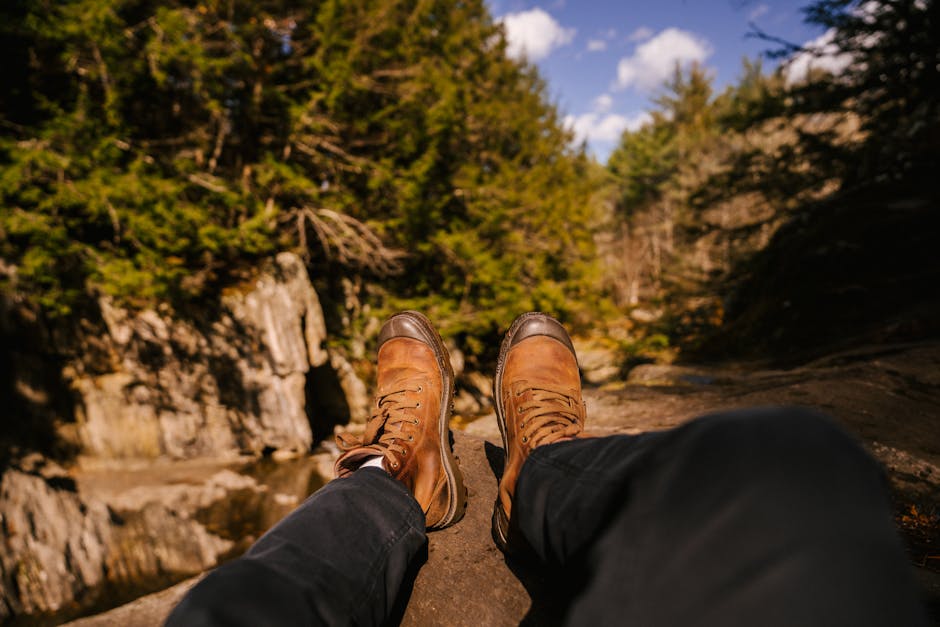
Owning a high-end pair of hiking boots is only half the battle; the other half is ensuring they maintain their performance and appearance over time. This is where many users fail, leading to premature delamination of the sole or cracking of the leather. At Bass Pro Shop, you can find various conditioners and waterproofing sprays, but the most important maintenance step is simple: cleaning. Mud and salt act as abrasives that can wear down the fibers of both synthetic and leather uppers. After a hike, a soft brush and lukewarm water should be used to remove debris. Never dry boots near a direct heat source like a radiator, as this can cause the adhesives to fail and the leather to become brittle. Instead, remove the insoles and let them air dry in a well-ventilated area.
Conditioning and Re-Waterproofing
Even a boot with a Gore-Tex liner has a Durable Water Repellent (DWR) coating on the outer fabric. When water stops beading on the surface and starts to soak in—a phenomenon known as “wetting out”—the breathability of the boot is compromised. This is because the saturated outer layer creates a barrier that prevents moisture from escaping the inside. Using a spray-on or wash-in waterproofer like Nikwax, available at most outdoor retailers, can restore this performance. For leather boots like the Lowa Renegade, a wax-based conditioner is necessary to keep the hide supple. This not only extends the life of the boot but also maintains that rich, matte leather look that is so desirable in a fashion context. A well-maintained leather boot develops a patina that synthetic boots simply cannot replicate.
Styling the Technical Boot
Integrating these boots into a daily wardrobe requires an understanding of proportion. Because hiking boots are inherently bulky, they look best when paired with trousers that have some structure. Slim-fit jeans may create a “clown shoe” effect, whereas a straight-leg or slightly tapered cargo pant balances the visual weight of the footwear. For a more modern look, consider technical fabrics in neutral tones like olive, charcoal, or navy. The goal is to make the boot look like a deliberate choice rather than an afterthought. If wearing the Salomon Quest 4, lean into the technical aspect with a hardshell jacket. If opting for the Merrell Moab 3, a more relaxed, heritage-inspired outfit with a flannel shirt and heavy denim works perfectly. Ultimately, the best hiking boot is the one that fits your foot perfectly, but with the right care and styling, it can also be the most versatile tool in your closet.
Investing in high-quality footwear is an investment in your physical health. A boot that fails five miles into a ten-mile trek is more than a fashion faux pas; it is a safety risk. Always prioritize fit and function over brand loyalty or aesthetic trends.
When shopping at Bass Pro Shop, take advantage of their boot testing ramps if available. Walking on an incline and decline will tell you immediately if your toes will hit the front of the boot on a descent—a common cause of lost toenails. Furthermore, always shop for boots in the afternoon. Your feet naturally swell throughout the day, and a boot that fits perfectly at 9:00 AM may be painfully tight by 3:00 PM. By combining these practical shopping tips with an understanding of the technical specifications and maintenance requirements discussed here, you can ensure that your next pair of boots serves you well both on the rugged trails and the city streets.
