
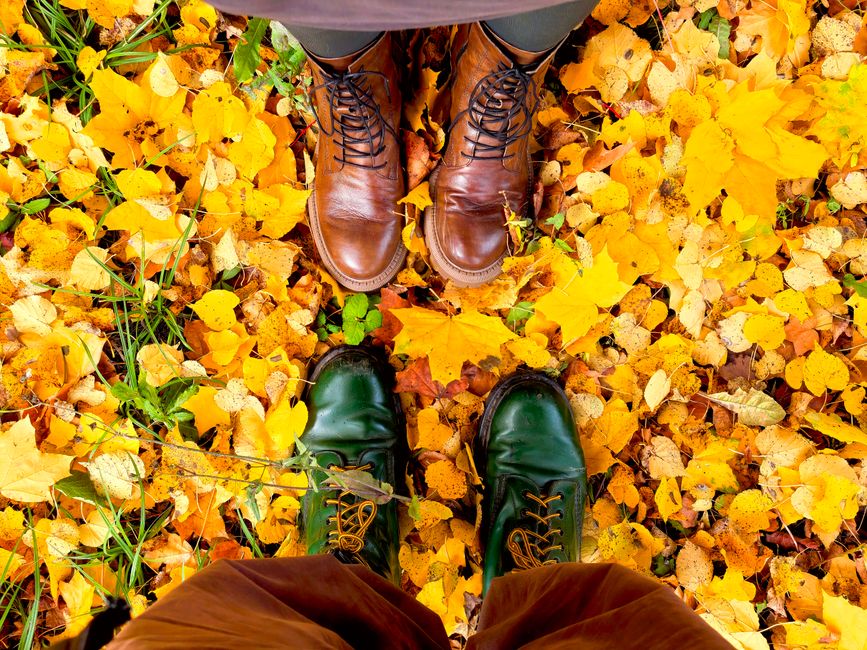
A surprising closet fact: most fall outfits fail because of proportion, not because the wearer lacks clothes. The same jeans, shirt, skirt, and jacket can look dated in one combination and sharp in another. I have stopped treating every new-season trend as a shopping assignment. My better method is to change the balance, texture, and finishing details of pieces already hanging in the closet.
These seven outfit formulas work for real autumn weather, repeated commutes, and ordinary weekends. They also show when buying something new would solve a real gap and when it would only add another unworn item.
Why Your Existing Wardrobe Is Enough for Fall
Fall is the easiest season to style from clothes you already own because the weather rewards layers. You do not need one perfect outfit that handles every temperature. You need a base layer, a middle layer, and one outer piece that can be removed without wrecking the shape of the outfit.
Start with three outfit anchors
Pull out one pair of trousers or jeans that fit well, one shirt or lightweight knit, and one jacket. Those are your anchors. Ignore color trends for a moment and check the proportions. A cropped jacket changes the effect of wide-leg trousers. A long coat makes slim jeans look more deliberate. A loose shirt needs a cleaner bottom half, while a fitted top gives a fuller skirt room to move.
Use texture instead of extra decoration
Autumn outfits look current when their surfaces contrast. Pair smooth cotton with brushed wool, dark denim with suede, or a crisp button-down with ribbed knitwear. This adds depth without piling on jewelry, logos, or new seasonal pieces. A simple black skirt can feel like a fall outfit once it meets opaque tights, a chunky knit, and a structured coat.
My verdict is clear: audit fit and texture before shopping. If your existing layers still fit across the shoulders, waist, and hips, your closet probably has more combinations than you have tried.
The Best Layering Formula for Each Fall Temperature
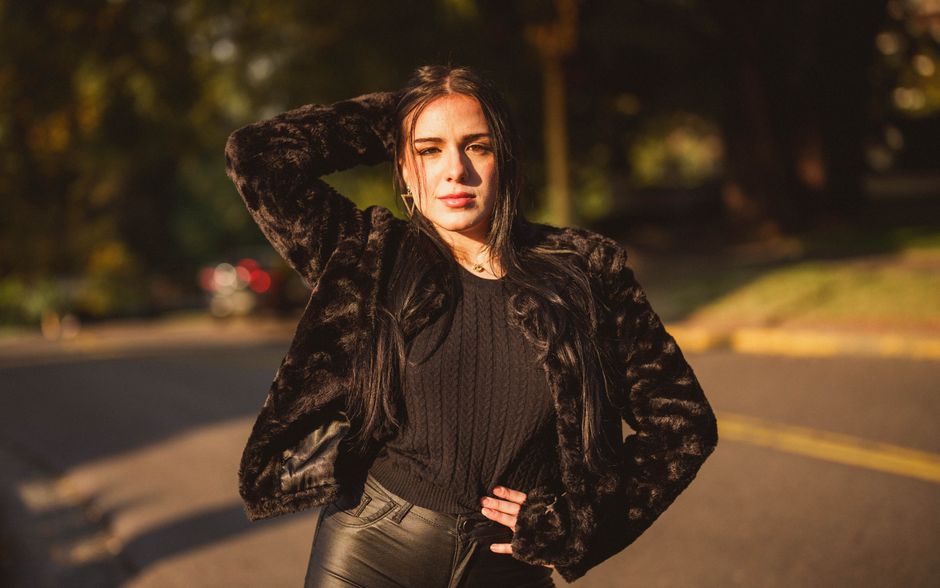
The right fall outfit starts with the forecast, not a mood board. A beautiful combination becomes useless when the base layer is too warm for the afternoon or the outer layer cannot handle wind. Use this quick temperature map to build outfits that survive a full day.
Match the clothing weight to the temperature
| Temperature | Base layer | Middle layer | Outer layer | Best shoe direction |
|---|---|---|---|---|
| 60–68°F | Cotton tee or sleeveless top | Light cardigan or denim shirt | Trench or unlined jacket | Loafers, ballet flats, or clean sneakers |
| 50–59°F | Long-sleeve tee | Blazer, cardigan, or overshirt | Medium-weight coat | Ankle boots or leather sneakers |
| 40–49°F | Fitted thermal or fine knit | Wool sweater or vest | Lined coat | Boots with warm socks |
| Below 40°F | Close-fitting warm base | Thick knit or fleece layer | Insulated coat and scarf | Weather-ready boots |
Leave room between layers
Do not stack three tight pieces and expect comfort. The base layer should sit close to the body, the middle layer should allow movement, and the coat should close without pulling across the chest. If your jacket sleeves feel crowded, remove the thick sweater and use a fine knit under a vest instead.
Plan for the warmest part of the day
A common mistake is dressing for the coldest morning and carrying every layer by lunch. Build around one removable piece. A button-down worn open over a fitted tee gives more control than a heavy sweater, especially on a sunny 60°F afternoon. This formula wins for unpredictable fall days because it gives warmth without turning the outfit into a bulky block.
Seven Outfit Formulas That Make Old Pieces Look Current
These are the combinations I return to when the closet feels repetitive. The product examples are reference points, not shopping requirements; an equivalent piece you already own works just as well.
1. Straight jeans, a fine knit, and a short jacket
- Wear straight-leg jeans with a thin tucked sweater.
- Add a jacket that ends near the high hip or just below the waist.
- Finish with loafers or ankle boots and one small shoulder bag.
The shorter outer layer keeps straight denim from looking heavy. A Levi’s 501 Original, listed around $98, is a useful reference for the shape, but your own straight jeans are the point.
2. Wide trousers with a fitted top
Balance relaxed trousers with a close-fitting tee, bodysuit, or fine turtleneck. The Uniqlo Supima Cotton T-shirt, often priced near $19.90, shows how little the base layer needs to cost. Add a belt, then wear a longer coat open so the vertical line stays visible.
3. Summer dress over a long-sleeve top
Take a sleeveless midi dress and layer it over a slim tee or mock neck. Choose a base layer close to the dress color to keep the outfit clean. Add opaque tights and boots once the temperature drops.
4. Skirt, oversized sweater, and visible socks
Use a midi skirt with a sweater that is loose but not so long that it hides the waist completely. A partial front tuck creates shape. Visible ribbed socks with loafers make the outfit feel intentional rather than unfinished.
5. Denim-on-denim with one polished layer
Pair jeans with a denim shirt in a different wash. Break up the denim with a wool blazer, leather belt, or colored scarf. The rule is contrast: light shirt with dark jeans, or dark shirt with faded jeans.
6. Leggings, a long shirt, and structured boots
Leggings work outside the gym when the top covers the seat and the footwear has structure. Dr. Martens 1460 Smooth boots, commonly listed around $180, are a reference for the visual weight; any sturdy ankle boot creates the same balance.
7. Monochrome basics with one bright accessory
Wear black, navy, gray, or cream from top to bottom, then add one strong color through a scarf, bag, or shoe. The New Balance 574, often priced around $90, can add a casual color note without making the outfit look like activewear.
My winner for the most useful formula is straight jeans, a fine knit, and a short jacket. It works across offices, errands, and dinners, and it does not depend on buying a trend piece.
How to Fix Proportion Without Buying Anything
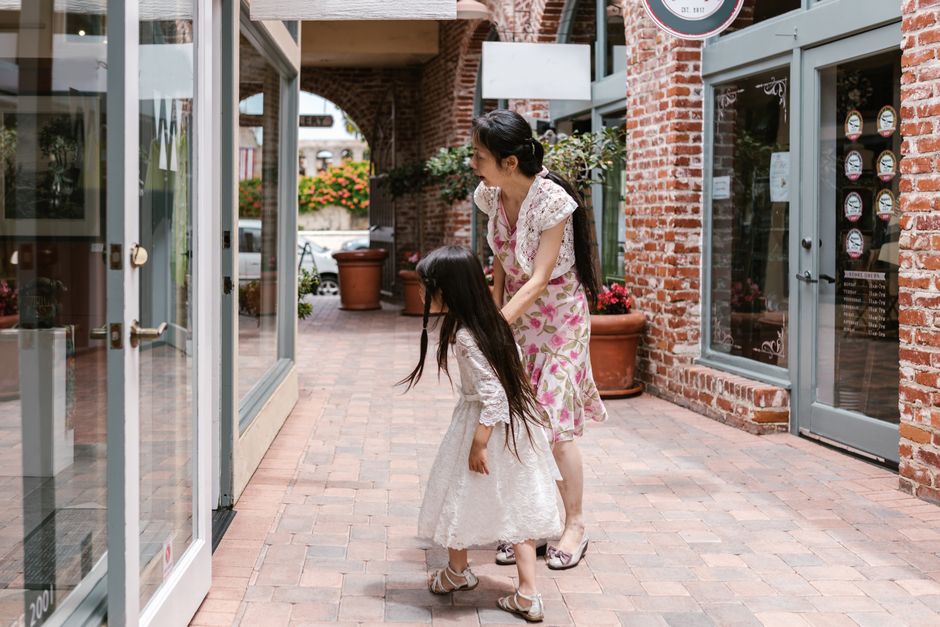
My strongest styling opinion is this: change the silhouette before changing the clothes. Most people reach for a new top when the real problem is that every layer hits at the same point on the body. That creates a flat outline, even when each item looks good alone.
Move one hemline
Try a half tuck, a small sleeve roll, or an open jacket before deciding an outfit is wrong. If a long shirt sits over wide pants, tuck only the front center and leave the sides loose. If a sweater covers the shape of a skirt, fold the hem inward once rather than knotting it. These small adjustments create a waist or show the narrowest part of the wrist without making the outfit fussy.
Balance volume from top to bottom
Use one relaxed area at a time. Pair an oversized blazer with a straight or slim bottom. Pair wide-leg trousers with a fitted or cropped top. If you want a fully relaxed outfit, add a sharp element such as pointed shoes, a firm belt, or a structured bag. That contrast keeps comfort from looking careless.
Do not buy a cropped jacket simply because cropped jackets are popular if you dislike showing your waist. Fold or tuck an existing layer to test the effect first. If the temporary change improves the outfit, then you have found a real styling direction. If it feels awkward, the trend is not yours.
Fall Outfit Questions That Prevent Common Styling Mistakes
What if my wardrobe is mostly summer clothing?
Start with the fabrics that can cross seasons. A cotton dress works with a long-sleeve layer, tights, and boots. A linen shirt works under a cardigan or blazer. Add warmth near the body rather than piling a huge coat over a thin outfit. The mistake is treating summer pieces as unusable instead of using them as light base layers.
How many colors should one fall outfit contain?
Three visible colors are enough for most outfits: a main neutral, a second neutral or denim shade, and one accent. If the textures are strong, use fewer colors. If the outfit is mostly smooth cotton and simple denim, a scarf or shoe in rust, forest green, burgundy, or cobalt can give it more life.
When should I stop reworking an outfit?
Stop when the clothes no longer fit your body or your day. No styling trick fixes a waistband that digs in, shoes that hurt after ten minutes, or a coat that cannot close over your layers. Do not buy a statement item to rescue a wardrobe full of poor basics. Replace the uncomfortable foundation first, then return to trend styling.
What is the most common fall layering mistake?
It is wearing bulky pieces at every level. A thick tee, thick sweater, and thick coat make the shoulders look crowded and limit movement. Use one substantial layer and keep the others thin. That single change makes old clothing look cleaner and helps you stay comfortable indoors.
The Best Fall Wardrobe Strategy Is More Styling, Less Shopping
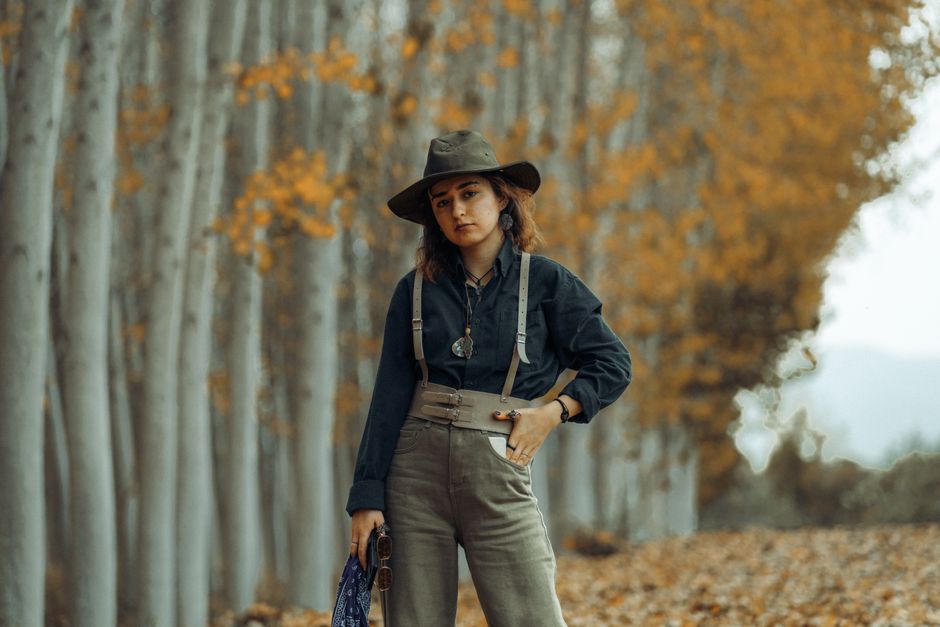
For 2026, my clear recommendation is to build fall outfits around proportion, texture, and temperature, then buy only the one item that fills a proven gap. Seven combinations can come from a small group of jeans, skirts, shirts, knits, jackets, and shoes when each piece gets a different role, and the strongest outfit is often the one that looks deliberate without announcing a trend purchase. The pieces most worth replacing are not the loudest ones but the practical foundations that affect every look: a coat that closes comfortably, boots you can walk in, trousers that keep their shape, or a base layer that does not bunch under everything else. That approach leaves room for personality through color, accessories, and small shifts in silhouette while keeping the wardrobe useful beyond one season. Fall fashion will keep changing, but the ability to turn familiar clothes into fresh outfits will remain the most reliable trend in the closet.
