
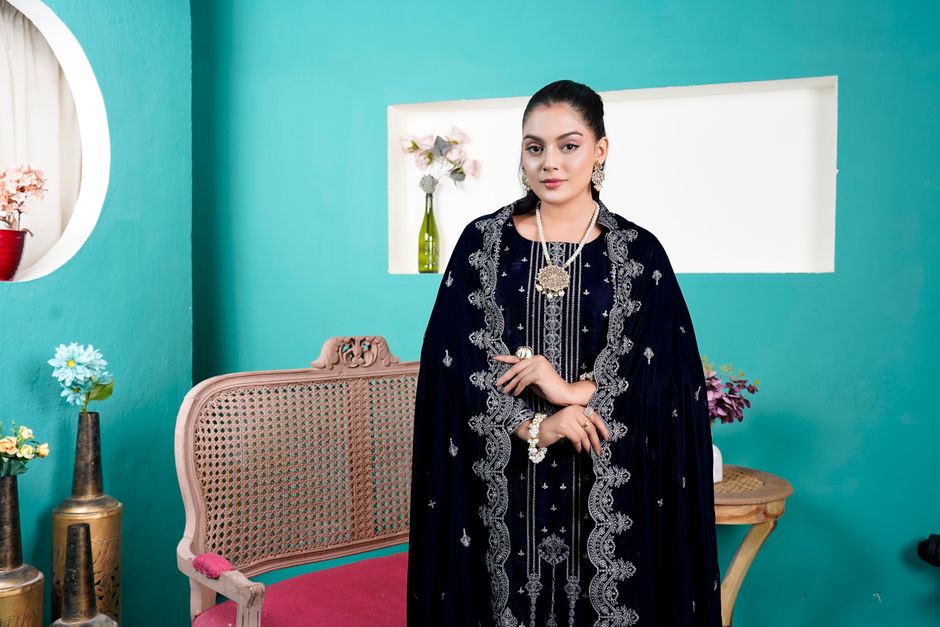
The common belief is that looking polished requires a large wardrobe and expensive labels. My month-long experiment produced a different answer. I spent $100, bought only a few carefully chosen pieces, and used clothes I already owned to create outfits for work, errands, dinners, and weekends.
The result was not a perfect luxury wardrobe. Some outfits repeated. A few purchases failed. Still, the experiment worked because the budget went toward structure, fit, and outfit flexibility instead of random trend pieces.
Can You Dress Chic for a Month on $100?
The real challenge was outfit variety
Yes, but only if the $100 improves an existing wardrobe. Starting with an empty closet would make the experiment unrealistic. I already owned black trousers, white sneakers, a denim jacket, a black dress, two sweaters, and several neutral tops. The $100 filled clear gaps instead of trying to create an entire wardrobe from scratch.
The goal was also narrower than owning 30 completely different outfits. I wanted 30 wearable combinations that felt intentional. Changing the top, shoes, belt, jacket, or jewelry counted only when the outfit looked different enough for the setting. That rule kept the experiment honest.
What made an outfit look expensive
Polish came from three details: a clean silhouette, controlled color, and clothing in good condition. A $10 top looked better after steaming and tucking than a wrinkled $60 blouse. Black, cream, denim, gray, and brown also mixed easily, so I spent less time solving color problems.
Fit mattered more than the original price. A secondhand blazer with sleeves that ended at the wrist looked sharper than a new oversized jacket that swallowed my frame. I also stopped treating accessories as decoration. A narrow belt, small hoop earrings, and a structured bag gave basic outfits a finished shape.
Where the $100 Actually Went
My purchase plan
| Item | Source or reference | Cost | Why it earned space |
|---|---|---|---|
| Black structured blazer | Local thrift store | $18 | Made jeans and trousers work for meetings and dinners |
| Dark straight-leg jeans | Secondhand denim rack | $22 | Added a polished casual bottom |
| White fitted T-shirt | Target A New Day | $8 | Worked under jackets, cardigans, and dresses |
| Fine-knit cardigan | H&M | $20 | Added a soft layer without visual bulk |
| Printed silk-blend scarf | Thrift store | $7 | Changed the look of plain tops and bags |
| Alterations and steaming | Local tailor and home care | $15 | Improved sleeve length and overall finish |
| Total | $90 | $10 remained for an emergency repair |
Why I left money unspent
The final $10 was intentional. A strict shopping challenge can create pressure to spend every dollar, but that is how unnecessary purchases enter the closet. I kept the money available for a missing button, a loose hem, or a replacement pair of tights. Nothing went wrong during the month, so the reserve stayed untouched.
For comparison, the retail price of a Uniqlo AIRism Cotton T-Shirt is often around $19.90, an Old Navy straight-leg jean can sit near $39.99, and an H&M blazer may cost about $49.99 before a sale. Those pieces can be useful, but buying all three new would consume most of the budget. Secondhand shopping made the experiment possible.
How I Built 30 Outfits From a Small Wardrobe
The seven-day outfit rotation
- Start with one bottom and style it three ways. I wore the dark jeans with a white T-shirt and blazer, a cardigan and scarf, then a black dress layered over the shirt.
- Repeat the strongest base outfit with a new finishing layer. The same trousers looked different with a denim jacket, a blazer, and a tucked-in cardigan.
- Assign each outfit to a real setting. Work, grocery shopping, lunch, and evening plans need different levels of structure.
- Use one contrast detail. A soft cardigan with tailored trousers, white sneakers with a blazer, or a printed scarf with a monochrome outfit stopped the looks from becoming flat.
- Photograph the combinations before wearing them. Pictures exposed awkward proportions that were easy to miss in a mirror.
The pieces that did the most work
The black blazer created the largest increase in outfit options. It worked with jeans, trousers, a skirt already in my closet, and the black dress. The fitted white T-shirt came second because it could look casual alone or polished under a jacket.
The scarf had the highest styling value per dollar. I tied it at the neck, wrapped it around a bag handle, wore it as a headband, and used it over the shoulders indoors. That variety came from styling, not from owning more clothes.
Why Fit and Styling Beat a Bigger Shopping Haul
Small alterations changed the whole silhouette
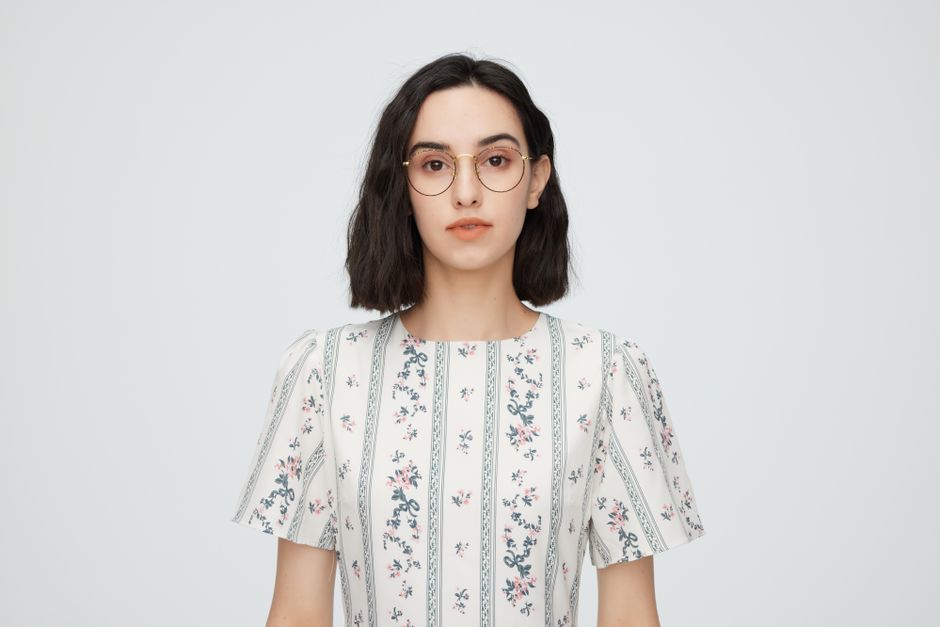
The most useful discovery was that a low-cost wardrobe does not need to look low-cost. It needs visual order. I shortened one blazer sleeve, pressed every new piece, and adjusted the rise of my jeans with a belt. Those changes took less than an hour but made outfits look more deliberate.
Long, loose layers can look elegant, but too much volume hides the body and makes inexpensive fabric look limp. I paired one relaxed item with one clean item. Wide-leg trousers received a fitted top. A loose cardigan went over straight jeans. A boxy blazer worked with a narrow skirt or a tucked shirt. This balance was more reliable than following a specific trend.
Color repetition created a personal uniform
I used a five-color palette: black, white, cream, denim blue, and brown. The palette was not exciting on its own, but it made every purchase easier to combine. The scarf supplied pattern, while gold-tone jewelry and a brown belt added warmth.
Neutral dressing can become dull when every item has the same texture. I solved that by mixing cotton, denim, knit, leather-look materials, and a smooth scarf. Texture created interest without requiring bold prints or expensive details.
Where branded items fit the experiment
Some affordable retail pieces are strong wardrobe anchors. The Target A New Day white T-shirt was inexpensive and easy to layer. The Old Navy jeans offered a practical fit for casual outfits. An H&M cardigan added softness and worked across three seasons. My verdict is clear: for a $100 challenge, buy one reliable basic at retail only when its fit is better than the secondhand alternatives.
Do not buy a recognizable brand simply to display the label. A poorly fitting designer item still looks poorly fitted. In this experiment, the thrifted blazer created more outfits than the branded pieces because its cut matched the rest of the wardrobe.
What Ruined the Budget
Mistake one: shopping without an outfit list
The fastest way to waste $100 is to buy attractive pieces that have no partner in the closet. Before shopping, I wrote down three gaps: a structured layer, a dark casual bottom, and a versatile light top. That list blocked impulse purchases.
Mistake two: ignoring condition and care
Cheap clothes become expensive when they need constant replacement. I checked seams, zippers, stains, pilling, and fabric stretch before paying. I rejected a $12 cardigan because the underarms were already worn thin. A low price did not make a damaged garment useful.
Care also affected the final result. I washed new clothes according to the label, removed lint, steamed collars, and kept shoes clean. These small habits made repeated outfits feel fresh. The wardrobe failed only when I treated clothing as disposable.
When a $100 Wardrobe Experiment Does Not Work

Does this budget work for a completely empty closet?
No. Someone starting with no usable clothes would need more money for underwear, outerwear, shoes, weather layers, and basic workwear. The $100 approach works best as a wardrobe repair budget. It can add two to five high-use pieces, not replace every category at once.
Should you buy fast fashion for the challenge?
Only when the item solves a specific gap and passes a quality check. A $6 trend top may look like a bargain, but it has little value if it works with one outfit or loses its shape after two washes. A secondhand blouse with strong fabric and clean seams is the better choice in that situation.
When should you spend more?
Spend more on shoes, coats, denim, and tailoring when the cheaper option causes discomfort or fails quickly. Do not spend more on a trend you expect to wear five times. My rule is simple: pay for repeated use and better fit, not for a higher label.
My Final Verdict: Styling Beats Shopping
What I would repeat next month
I would repeat the same order of operations: audit the closet, choose three gaps, set a color palette, shop secondhand first, and reserve money for alterations. I would not add another statement item. The month proved that one blazer and one strong casual bottom created more value than several eye-catching pieces.
For a reader who wants to dress chic on a budget, the best starting point is a structured layer, a clean basic top, and one comfortable bottom in a dark neutral. The H&M fine-knit cardigan is the better choice for soft layering, the Old Navy jeans are the practical casual choice, and the Target A New Day T-shirt is the lowest-risk basic. None of them works alone. Their value comes from the outfits they join.
Was the experiment successful?
Yes, with one condition: the goal must be a month of polished dressing, not a brand-new wardrobe. I wore 30 combinations, repeated the pieces that worked, avoided unnecessary purchases, and finished with $10 unspent. The strongest lesson was not that inexpensive clothes are always good. It was that thoughtful selection, fit, care, and styling can stretch a small budget much further than constant shopping.
Affordable fashion is moving toward a more useful question: not how many new pieces can someone buy, but how many real outfits can one well-chosen piece support. That is a standard worth carrying into every future shopping trip.
