
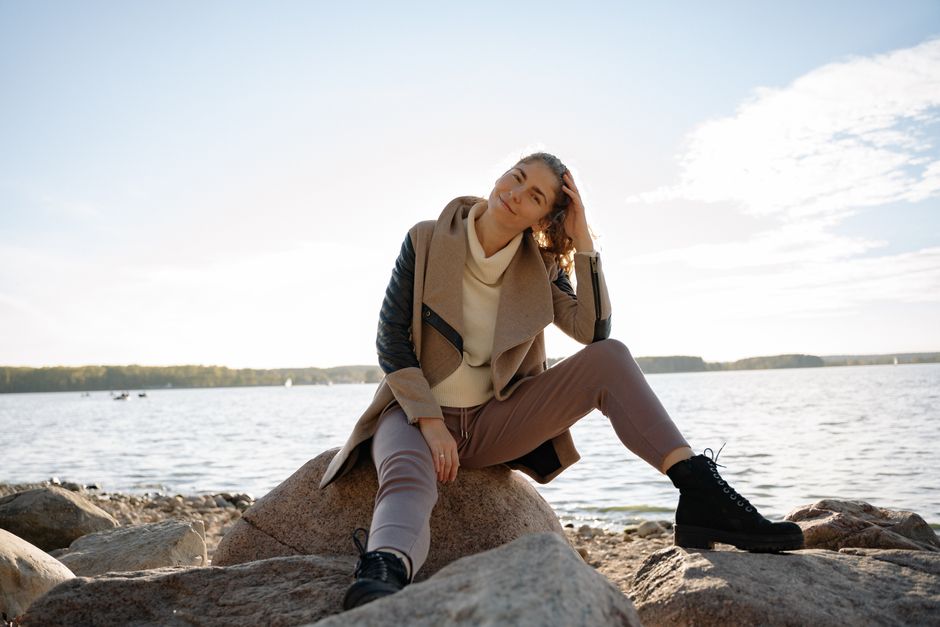
March weather makes one outfit feel too cold at 8 a.m. and too heavy by lunch. The right transitional jacket bridges boots, sneakers, damp sidewalks, indoor heating, and the messy temperature swings between winter and spring.
Choose the jacket for the weather swing, not the calendar
My strongest recommendation is a medium-weight jacket with room for one thin layer underneath. March is not a season where the warmest coat automatically wins. A bulky puffer can make a mild afternoon uncomfortable, while a thin denim jacket leaves you exposed during a windy commute. The useful jacket sits between those extremes: enough wind protection for the morning, enough shape to work with sneakers, and enough space for a merino sweater or sweatshirt.
Use fabric to solve the real problem
Waxed cotton makes sense for wet, cool days because it blocks light rain and wind without looking like technical hiking gear. It is the best choice for a damp commute with leather ankle boots because the shape looks intentional and the fabric handles spring drizzle better than untreated cotton. It can feel warm indoors, so it is less useful for long train rides or heated offices.
Match insulation to your walking time
Its 60-gram synthetic insulation, wind-resistant shell, and roughly 12.8-ounce weight give it better warmth for its size than a plain cotton jacket. It also works with running shoes and wide-leg trousers. The tradeoff is visual: it reads sporty, so polished boots and a structured bag may need to carry the outfit.
The clear verdict is simple: choose waxed cotton for rain and style, synthetic insulation for cold and walking, and avoid buying a heavy winter coat just because March begins on the calendar.
Build a boots-to-sneakers outfit in five quick checks
Start with the temperature range
- Check the low and high, not only the morning temperature. A 38-degree start and a 58-degree afternoon call for a removable layer, not a thick fixed lining.
- Check wind before choosing a light jacket. Wind can make a cotton overshirt feel useless even when the thermometer looks mild.
- Check rain duration. A ten-minute shower needs a water-resistant surface; several hours of rain call for a hood, sealed seams, or a proper shell.
Balance the outfit from the ground up
- Wear boots when the ground is wet, then repeat the jacket with sneakers. A jacket that only works with one shoe pair will not earn its closet space.
- Keep the trouser break consistent. Straight-leg jeans, ankle trousers, and relaxed chinos create a clean line with both Chelsea boots and low-profile sneakers.
- Test the sleeve over your thickest planned layer. Raise both arms, zip the jacket, and sit down. Tight shoulders are a fit failure, not a styling challenge.
This process prevents the common March mistake of shopping by color alone. A pale sage jacket may look fresh, but it still needs enough room, weather resistance, and outfit range to survive six weeks of changing conditions.
Compare the jacket types before you spend
The table below shows where each common March jacket earns its place. Prices are typical US list prices in 2026 and can change by retailer or color.
Quick comparison for changing March conditions
Pick the clear winner for your week
The J.Crew Heritage Barn Jacket is the best all-rounder for most boots-to-sneakers weeks. It handles casual offices, errands, and weekend denim without looking tied to one trend. Choose the Barbour if rain is the main problem, the Patagonia if you spend an hour outside in cold wind, and the Levi’s moto only if style matters more than warmth or weather coverage.
Do not pay for features you will not use. A water-resistant jacket is wasted on someone who rarely walks outside, while a fashion-only jacket becomes an expensive mistake for a daily commuter.
The best March jacket is the one you can remove before lunch
Why removable warmth wins
March outfits work best when the jacket controls temperature without controlling the entire look, because the same coat may need to cover a sweater at sunrise, sit over a T-shirt at noon, and fold beside a café chair in the afternoon.
Why lighter layers look sharper
A thin merino crewneck, cotton sweatshirt, or long-sleeve tee gives you more control than a thick jacket lining, keeps the shoulders from looking oversized, and lets boots or sneakers change the mood without forcing a complete outfit change; that is why a medium-weight shell with a removable layer is the most reliable March formula.
Which jacket works for rain, cold, and polished outfits?
What should you wear on a rainy March commute?
Choose the Barbour Beadnell Wax Jacket when rain and a classic outfit matter most. Its waxed cotton surface sheds light rain, while the corduroy collar and shaped cut look better with dark denim, Chelsea boots, or a knit dress than a generic nylon shell. Do not buy it for a climate with frequent heavy downpours unless you are ready to maintain the wax and accept that it is not a fully waterproof raincoat.
What works best for cold walks and sneakers?
Choose the Patagonia Nano Puff when you walk, cycle, or wait outside in cold wind. Synthetic insulation keeps working better than down after damp weather, and the compact shape suits leggings, cargo trousers, and running shoes. Do not buy it if your main goal is a polished office coat; the quilting and sporty finish will always read casual.
What is the best value for everyday outfits?
Choose the J.Crew Heritage Barn Jacket for the widest outfit range. Its canvas body has enough structure for loafers and enough ease for sneakers, and the patch-pocket design gives basic jeans more shape. Do not buy a barn jacket when you need strong rain protection, because untreated cotton will absorb water and become heavy.
Those distinctions matter more than a jacket’s popularity. The right purchase solves the weather problem you actually face instead of adding another attractive but rarely useful layer.
Use a seven-day test before calling the jacket a keeper
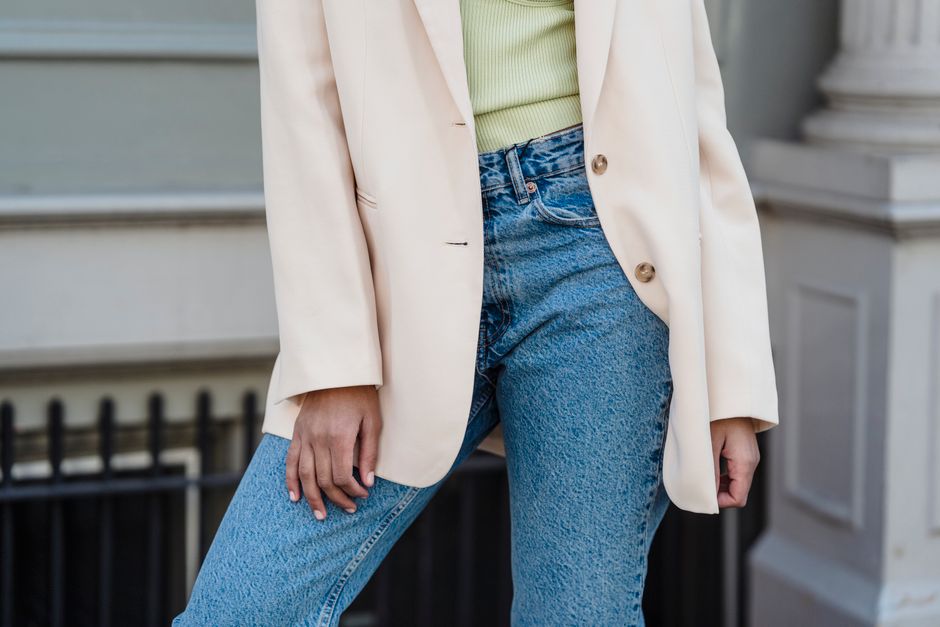
Wear the jacket across a full week before deciding it belongs in your March rotation. On day one, style it with boots and your thickest planned layer. On day two, wear it with low-profile sneakers and straight-leg jeans. On day three, carry it indoors for several hours and check if the fabric creases, overheats, or feels awkward over a chair. This matters because a jacket can look excellent in a fitting room and still fail during a real commute.
Check the details that cause regret
- Zip the jacket while wearing the sweater you actually own, not a thin shop T-shirt.
- Put your phone, keys, and sunglasses in the pockets. If the jacket pulls or sags, the pocket layout is wrong for daily use.
- Walk quickly for ten minutes. Notice shoulder tightness, sleeve movement, and heat trapped under the arms.
- Try both boots and sneakers before removing the tags. The hem should not make one shoe look accidental.
Know when to return it
Return the jacket if it only works with one outfit, needs constant tugging at the shoulders, or offers neither warmth nor weather coverage. Return a fashion-only piece when your week contains long outdoor walks, and return a technical jacket when you need a neat office silhouette every day. For a flexible closet, the J.Crew Heritage Barn Jacket is the strongest first purchase; add the Barbour or Patagonia only when your weather pattern justifies the extra cost.
The most important takeaway is to buy a medium-weight jacket that handles your real March weather, fits one thin layer, and looks equally deliberate with boots and sneakers.
