

Most people spend 16 minutes every morning deciding what to wear. That’s nearly 100 hours a year lost to staring at a closet full of clothes that don’t work together. I know because I was one of them. So I did something drastic: I cut my work wardrobe to exactly 20 items. No more. No less. Here’s what happened.
The 20-Item Breakdown: What I Kept and Why
I started by pulling everything from my closet. Two piles: keep and donate. The keep pile had to fit into a single set of constraints — every piece had to pair with at least three others. No orphans. No “but I might need it for a wedding” exceptions.
Here’s the exact list I landed on after three rounds of editing.
| Category | Items | Brand Examples |
|---|---|---|
| Tops | 6 (3 silk blouses, 2 cotton button-downs, 1 fine-knit turtleneck) | Everlane, Theory, Uniqlo |
| Bottoms | 4 (2 tailored trousers, 1 dark-wash straight jean, 1 A-line midi skirt) | Madewell, Vince, Aday |
| Outerwear | 3 (1 blazer, 1 trench coat, 1 cashmere cardigan) | J.Crew, COS, Everlane |
| Shoes | 3 (loafers, block-heel pumps, leather sneakers) | Sam Edelman, Veja, Everlane |
| Dresses | 2 (1 sheath, 1 shirt dress) | Vince, Aday |
| Accessories | 2 (belt, structured tote) | Madewell, Cuyana |
The rule was simple: if it couldn’t be styled into at least three different outfits, it didn’t make the cut. That eliminated 80% of what I owned.
What Actually Changed in My Mornings
Decision fatigue disappeared. The first week, I kept reaching for old habits — opening the closet, staring, closing it. By day four, I grabbed a combination without thinking. My brain had learned the system.
I timed myself. Before the capsule, I averaged 14 minutes to get dressed. After, 3 minutes. That’s 55 hours saved per year. I use that time to make actual coffee instead of instant.
The second shift was confidence. Every outfit looked intentional. No more “this top is fine but these pants feel off” moments. When everything matches, you stop second-guessing. You walk into meetings focused on the agenda, not your sleeves.
Third, laundry got easier. With fewer items, I do smaller loads twice a week instead of one giant weekend pile. The dryer doesn’t run for three hours anymore.
3 Rules That Made the Capsule Work (No Product Mentions)
Rule 1: Stick to a 3-Color Palette
I chose black, cream, and camel. That’s it. Every top, bottom, and outerwear piece falls into one of those three. Shoes are black or nude. The belt is black. This eliminates the “does this go with that?” question entirely. If you prefer color, pick three that naturally sit together on the color wheel — navy, white, and rust works just as well.
Rule 2: One “Hero” Piece Per Outfit
In a capsule, every outfit needs exactly one item that gets noticed. A structured blazer. A silk blouse with a subtle sheen. The trench coat. The rest of the outfit stays quiet. This keeps looks from feeling flat without veering into “too much.”
Rule 3: Replace, Don’t Add
When a top wears out, I replace it with the same style. No browsing for “something new.” The capsule is a closed system. If I want to swap a silhouette — say, switch wide-leg trousers for straight-leg — I donate the old pair first. The number stays at 20.
The One Mistake Almost Everyone Makes
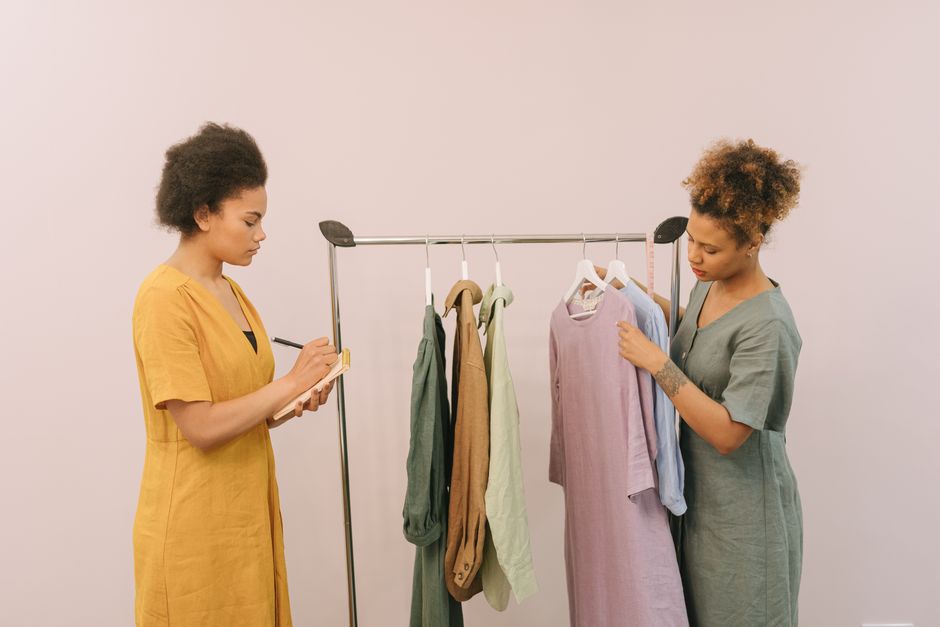
People try to build a capsule from what they already own without being honest about fit. They keep a blazer that’s half a size too big because “it’s expensive.” They hold onto jeans that gap at the waist.
Bad fit ruins a capsule. When you only have 20 items, every single one needs to fit perfectly. No compromises. I sent four pieces to a tailor — two hems, one waist take-in, one sleeve shortening. Cost me $80 total. Those four pieces now look custom. They get the most compliments.
The second mistake is ignoring fabric quality. Cheap synthetics pill after three washes. In a small wardrobe, that piece becomes unwearable fast. I replaced two polyester blouses with silk-cotton blends from Theory and Everlane. They cost more upfront but have lasted two years with no visible wear.
When a 20-Item Wardrobe Is the Wrong Choice
A capsule this small does not work for everyone. If your job requires a rotating uniform — think hospitality, medical, or construction — you likely need more functional pieces. A 20-item limit also struggles if you live in a four-season climate with extreme temperature swings. You’ll need room for a heavy coat, rain gear, and breathable summer fabrics.
For those cases, I recommend a 30-item cap instead. Add 5 seasonal pieces (winter coat, swimsuit, heavy boots) that live in storage for half the year. The same rules apply, just with a slightly larger pool.
Another group that should skip this: people who genuinely enjoy fashion as a hobby. If picking an outfit is part of your creative outlet, a strict capsule will feel restrictive. The goal here is efficiency, not self-expression. Know which one you’re after.
The Real Takeaway: It’s Not About the Clothes
The 20-item wardrobe didn’t just change what I wear. It changed how I think about choices. Every morning, I have one fewer decision to make. That mental energy goes toward work, toward my family, toward things that actually matter.
I still own other clothes — weekend wear, workout gear, one dress for formal events. But the work capsule is separate. It’s a tool, like a good bag or a reliable watch. It does its job without asking for attention.
The question isn’t whether you can live with 20 work pieces. It’s whether you want to spend another 100 hours this year deciding between two almost-identical black tops.
