
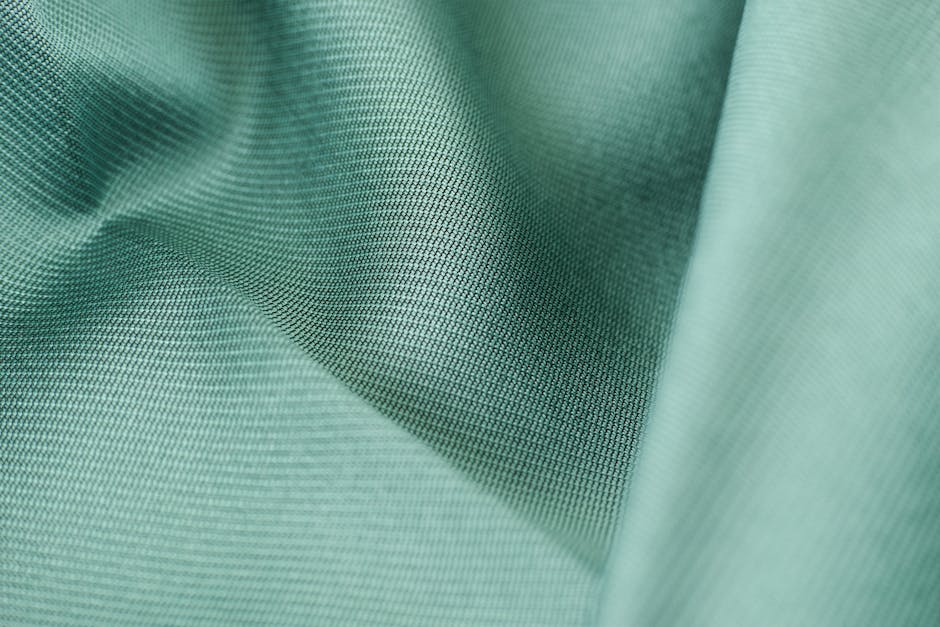
Navigating the textile landscape of modern retail often feels like a gamble where the house always wins. If you have ever pulled a skirt from the wash only to find it three sizes smaller or covered in unsightly pills after a single afternoon of wear, you have experienced the “fast fashion fatigue” that dominates style discussions on Reddit. The consensus across major fashion communities like r/femalefashionadvice and r/buyitforlife is definitive: the best skirt material depends entirely on the intersection of climate, desired drape, and your willingness to maintain the garment. For high-heat environments, 100% linen remains the gold standard for breathability, despite its propensity to wrinkle. For professional settings and longevity, worsted wool is the superior choice due to its natural temperature regulation and odor resistance. If you require a balance between price and performance, Tencel (lyocell) has emerged as the most recommended semi-synthetic for its silky feel and sustainable manufacturing process. Avoid high-viscose blends if you do not own a steamer, as these fabrics are notorious for shrinking and losing their structural integrity after a single wash cycle.
Decoding the Reddit Fabric Philosophy: Why Fiber Content Trumps Brand
When analyzing thousands of user comments regarding skirt longevity, a clear hierarchy emerges. Natural fibers are almost universally preferred over petroleum-based synthetics. The primary reason cited by long-term users is not just environmental impact, but how the fabric ages. A polyester skirt may resist wrinkles, but it often develops a “shiny” patina over time and traps heat, leading to discomfort. Conversely, natural fibers like cotton, silk, and wool tend to soften and adapt to the wearer’s body. The community often points to the ‘cost-per-wear’ metric; a $150 wool skirt that lasts a decade is objectively cheaper than a $30 polyester skirt that needs replacing after one season of pilling.
Reddit users frequently debate the merits of blends. While a 100% natural fiber is often the goal, a small percentage of elastane (1-3%) is frequently recommended for fitted pencil skirts to prevent “bagging” at the knees or seat. However, the “poly-blend trap” is a common warning. Fabrics that are 50% or more polyester often lose the breathability of the natural fiber they are blended with. For those looking for the best skirt material for daily wear, the recommendation is typically to stay above 90% natural fiber content. This threshold ensures that the garment retains the moisture-wicking properties of the organic material while allowing for the slight stretch or wrinkle resistance provided by the synthetic component.
The Technical Significance of Fabric Weight (GSM)
One technical detail often highlighted in r/sewing and cross-posted to fashion boards is Grams per Square Meter (GSM). A skirt’s material quality isn’t just about the fiber, but the density of the weave. For a summer linen skirt, a GSM of 150-180 provides enough opacity without sacrificing airflow. For a winter A-line skirt, users look for a GSM of 300 or higher. Understanding weight helps shoppers identify whether a skirt will be sheer in sunlight—a frequent complaint with budget brands like Shein or H&M. When shopping online, if a brand does not list the GSM, Redditors suggest looking for keywords like “heavyweight,” “double-layered,” or “structured,” which usually indicate a higher GSM and better durability.
High-Performance Summer Fabrics: Linen, Silk, and Cotton
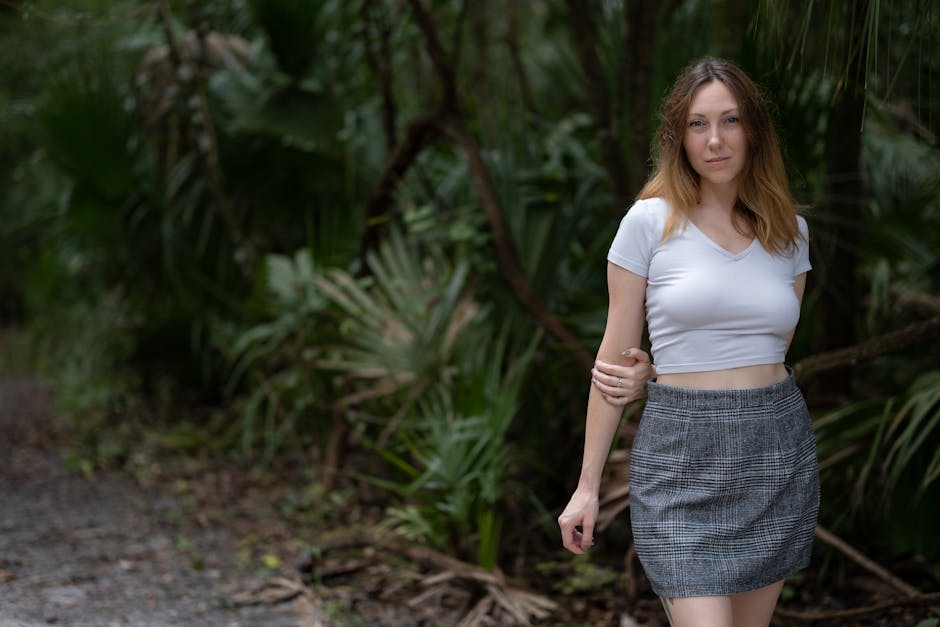
Summer skirt selection on Reddit is dominated by discussions of moisture-wicking and air circulation. Linen is the undisputed champion here. Users specifically recommend European flax linen for its longer fibers, which result in a stronger, smoother fabric. The “linen look” is a badge of honor for some, signifying a preference for natural luxury over synthetic perfection.
Product Spotlight: Quince European Linen Midi Skirt
Price: Approx. $40
Specs: 100% European Flax, Oeko-Tex Certified, elastic back waistband.
Pros: Exceptional breathability, deep pockets, gets softer with every wash, highly affordable for the quality.
Cons: Wrinkles instantly, material can feel slightly “scratchy” during the first two wears before breaking in.
Silk: The Luxury Performance Option
Silk skirts, particularly bias-cut midis, have seen a massive resurgence. The community preference leans toward 19mm to 22mm momme weight. Momme is a measure of silk weight; anything lower than 16mm is often considered too fragile for a skirt and will likely tear at the seams. Silk’s primary advantage is its thermoregulation, keeping the wearer cool in summer and surprisingly warm in transitional weather.
Product Spotlight: Quince Washable Silk Skirt
Price: Approx. $60
Specs: 100% Mulberry Silk, 19mm momme, sand-washed finish.
Pros: Machine washable on delicate cycles, luxurious drape that mimics much more expensive brands (like Vince), versatile for office or evening wear.
Cons: Shows every ripple of underwear lines (requires seamless nude undergarments), light colors can be slightly translucent in direct sun.
Cotton Poplin vs. Gauze
Cotton remains a staple, but the weave matters. Cotton poplin is praised for its crispness, making it ideal for structured, voluminous skirts. It holds its shape well but can be prone to heavy creasing. On the other end of the spectrum, double gauze cotton is highly recommended for casual, “beachy” skirts. It is essentially two layers of fine mesh joined together, providing opacity while remaining exceptionally airy.
Product Spotlight: Eileen Fisher Organic Cotton Gauze Skirt
Price: Approx. $128
Specs: 100% Organic Cotton, double-layered weave, tiered design.
Pros: Requires zero ironing (the crinkled look is intentional), extremely lightweight, ethical production standards.
Cons: High price point for cotton, can look “too casual” for formal office environments.
Winter Insulation: The Technical Superiority of Wool and Heavy Blends
When the temperature drops, the conversation shifts to thermal retention. Wool is the most suggested material for winter skirts, but the type of wool matters immensely. Worsted wool is smoother and more durable, often used in professional suiting. Boiled wool is denser and more wind-resistant, providing a felt-like texture that is excellent for keeping thighs warm in sub-zero temperatures.
Product Spotlight: Pendleton Seasonless Wool Skirt
Price: Approx. $130 – $160
Specs: 100% Virgin Wool, fully lined with acetate, classic pencil or A-line silhouettes.
Pros: “Buy It For Life” quality, naturally stain and odor resistant, maintains a sharp silhouette without sagging.
Cons: Dry clean only, initial investment is high, wool can be itchy if the lining shifts.
The Merits of Merino and Tweed
Merino wool is frequently highlighted for its softness against the skin. Unlike traditional sheep’s wool, which can be itchy, merino fibers are much finer. A merino knit skirt offers significant stretch and comfort, though it can show body lines more clearly than a woven fabric. Tweed, typically made from coarser wool, is the choice for those seeking maximum durability and a classic aesthetic. It is naturally water-resistant and hides stains exceptionally well, though it almost always requires a lining to prevent skin irritation.
Corduroy and Heavyweight Denim
For more casual winter wear, 14-wale or 16-wale corduroy is a Reddit favorite. The “wales” refer to the ridges in the fabric; a higher number means finer ridges. Corduroy is essentially a ridged velvet, offering warmth through its thick pile. Heavyweight denim (12oz or higher) is also recommended for its wind-blocking capabilities. The Levi’s Iconic Denim Skirt (approx. $80) is often mentioned as a reliable choice. The main drawback of denim and corduroy in winter is that they can become heavy and slow to dry if they get wet in snow or rain.
Reddit Pro Tip: Always check the lining of a wool skirt. If the lining is polyester, it will negate the breathability of the wool. Look for acetate, viscose, or silk linings for the best experience.
The Sustainability and Practicality of Semi-Synthetics: Tencel and Modal
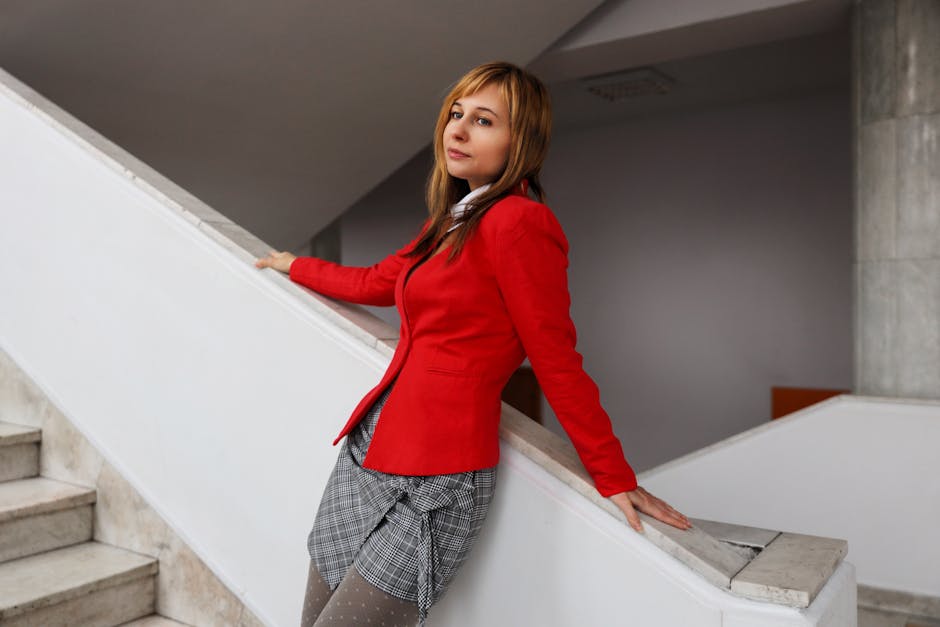
Tencel (the brand name for lyocell) has become a darling of the Reddit fashion community. Derived from wood pulp, it is technically a semi-synthetic. It is praised for having the drape of silk but the durability and ease of care closer to cotton. Tencel skirts are particularly favored by travelers because they resist wrinkles better than linen and dry much faster than cotton. The Amour Vert Tencel Skirts (approx. $110) are frequently cited for their quality and ethical manufacturing.
Why Modal is the Ultimate Comfort Fabric
Modal, another rayon-adjacent fabric, is often used in jersey-knit skirts. It is incredibly soft—often described as “buttery” by users. It is more absorbent than cotton and less likely to shrink or fade. However, modal is very heavy when wet and has a very fluid drape, which means it won’t provide any structural support. It is the best skirt material for long flights or lounging, but it may lack the formality required for a strict professional environment.
The Viscose Problem
While Tencel and Modal are high-quality semi-synthetics, standard viscose (rayon) is often criticized. Many users report that budget viscose skirts shrink significantly, even when washed in cold water. More importantly, viscose loses about 50% of its strength when wet, making it prone to tearing during the wash cycle. If you are buying a viscose skirt, the community recommendation is to look for “EcoVero” viscose, which is a more stable and sustainably produced version of the fiber used by brands like Reformation.
The Anatomy of a “Buy It For Life” Skirt: Construction Red Flags
Beyond the fiber content, Reddit’s fashion experts look at construction to determine if a material will hold up. One of the most common “red flags” is a raw or poorly finished hem. On materials like silk or viscose, a raw hem will fray rapidly. Look for “French seams” on high-end silk skirts, where the raw edge is encased in a second seam to prevent unraveling.
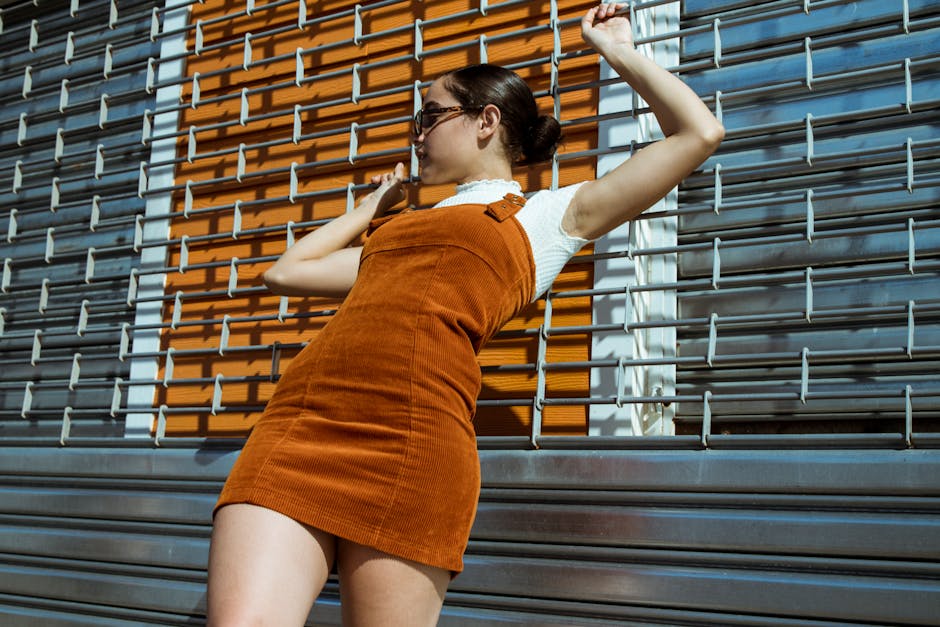
Another critical check is the “Light Test.” Hold the skirt material up to a light source. If you can see the distinct grid of the weave clearly, it is likely a low-density fabric that will lose its shape or tear. A high-quality material—whether it is cotton, linen, or wool—should have a tight, consistent weave that blocks most light. Furthermore, check for pattern matching at the seams. If a plaid or striped skirt doesn’t line up at the side seams, it indicates the manufacturer cut corners to save on fabric, which usually correlates with lower-quality material selection.
Comparison of Popular Skirt Materials
| Material | Best For | Breathability | Wrinkle Resistance | Expected Lifespan |
|---|---|---|---|---|
| Linen | Extreme Heat | High | Very Low | 10+ Years (with care) |
| Silk (22mm) | Date Night/Office | Medium-High | Medium | 5-8 Years |
| Worsted Wool | Professional/Winter | Medium | High | 15+ Years |
| Tencel (Lyocell) | Travel/Casual | Medium | Medium-High | 4-6 Years |
| Cotton Poplin | Structured Style | High | Low | 5-7 Years |
| Polyester Blend | Fast Fashion/Budget | Low | Very High | 1-2 Years (pilling) |
Maintenance Realities: Pilling, Shrinkage, and Structural Retention
A material might look great in the store, but Reddit users emphasize the “after-wash” reality. This is where polyester-heavy garments often fail. Synthetic fibers are long and strong, which sounds like a benefit, but it means that when they break, they don’t fall off the fabric. Instead, they tangle with other fibers to create pills (small balls of fuzz). Natural fibers like wool also pill, but because the fibers are weaker, the pills usually fall off or can be easily removed with a fabric shaver.
Fabric Recovery and Bagging
One of the most annoying issues with skirts is “bagging” at the seat, where the fabric stretches out and doesn’t return to its original shape. This is common in 100% cotton denim or heavy knits. To avoid this, many users recommend looking for fabrics with a “twill” weave. Twill (identifiable by diagonal ribs) is naturally more resistant to permanent stretching than a plain “basket” weave. For pencil skirts, a blend containing 2-4% Lycra or Spandex is considered essential for maintaining the silhouette over a full day of sitting and standing.
Laundering Requirements by Material
The best material is one you will actually care for. Reddit’s “lazy fashion” enthusiasts advocate for high-quality synthetics or treated cottons that can handle a machine wash. However, the purists argue that the longevity of wool and silk is worth the extra effort of hand-washing or dry cleaning. If you refuse to hand-wash, avoid silk and delicate rayons. Stick to linen (which loves the wash), high-quality cotton, or Tencel. For those who don’t mind a bit of maintenance, the reward is a garment that can literally last decades.
- Linen: Machine wash cold, hang dry, iron while damp for best results. Avoid the dryer to prevent extreme shrinkage.
- Wool: Rarely needs washing; spot clean and steam. Dry clean once a season or use a “wool wash” by hand.
- Tencel: Machine wash cold on delicate; avoid high heat in the dryer to prevent fiber breakdown and “fuzziness.”
- Silk: Hand wash with silk-specific detergent (like Eucalan); never wring the fabric, as this breaks the delicate fibers.
- Denim: Wash as little as possible to maintain the dye and structure. Air dry to prevent the elastane from snapping.
Ultimately, the “best” material is a subjective choice influenced by your lifestyle. However, the data from the collective experience of thousands of Reddit users points to a simple truth: prioritize fiber purity, check the GSM for opacity, and never underestimate the impact of a high-quality lining. When selecting your next skirt, ignore the marketing buzzwords and look straight at the care label. If the material composition is a mystery or buried in a long list of unpronounceable synthetics, it is likely designed for a short lifespan. The most satisfied owners on Reddit are those who prioritize fiber integrity and weave density over fast-fashion trends.
