
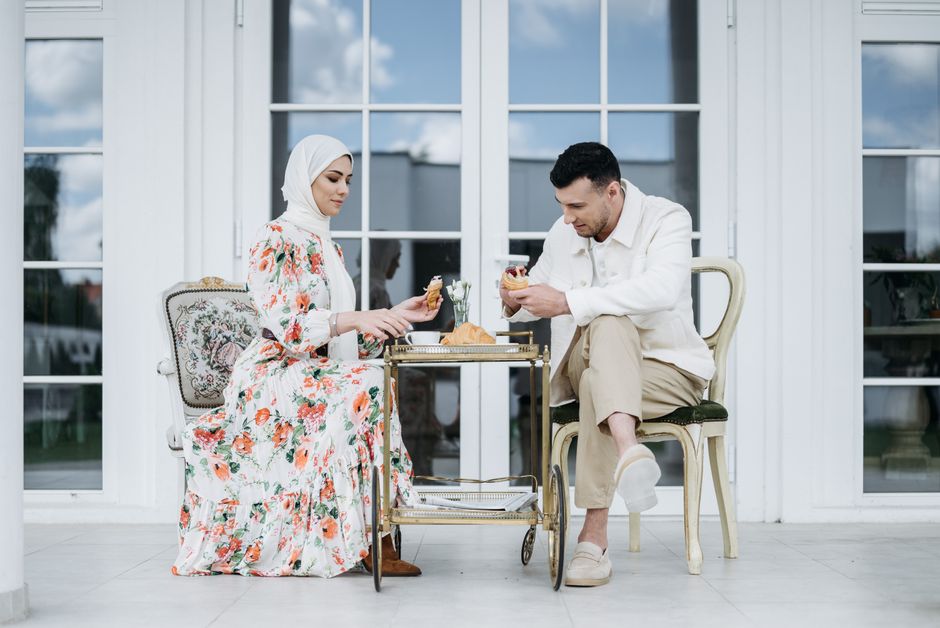
You read the invitation twice, stand in front of a warm-weather closet, and still cannot decide if the event calls for a sundress, a full-length gown, or a suit. The word cocktail sounds relaxed, but a summer wedding can move from bright outdoor ceremony to air-conditioned reception in a few hours. The common mistake is treating cocktail attire as a fixed garment instead of a level of polish.
Cocktail Attire Means Polished, Not Beachwear
The main myth costs guests at the door
Cocktail attire does not mean the shortest dress you can wear in hot weather, and it does not mean linen vacation clothes with flip-flops; it means a dressed-up outfit that looks deliberate, fits the setting, and stops below black-tie formality. A knee-length or midi dress, a tailored suit, a polished jumpsuit, or a dressy skirt-and-top combination can all work when the fabric has structure, the fit is clean, and the accessories look chosen rather than packed at the last minute.
The clear verdict for a first-time guest
For most summer weddings, the safest answer is a midi dress or a lightweight tailored suit in a saturated color, finished with dress shoes, a small bag, and one layer for indoor cooling; that formula looks festive in photographs, remains comfortable through dinner, and avoids the two biggest errors: looking ready for the beach or appearing dressed for a black-tie gala.
Choose the Outfit by Venue, Heat, and Ceremony Time

Use the invitation as a practical dress-code chart
The venue gives the dress code its real boundaries. A garden ceremony asks for shoes that will not sink into grass, while an evening hotel wedding can support darker colors, sharper tailoring, and more shine. Ceremony time matters too: daylight favors lighter color and breathable texture, while an evening reception gives satin, velvet details, deeper jewel tones, and metallic accessories more room.
| Wedding setting | Strong outfit direction | Shoes and layer | Leave at home |
|---|---|---|---|
| Daytime garden | Printed midi, polished jumpsuit, or pastel suit | Block heel or dressy flat; cropped jacket | Stilettos that sink, denim, beach sandals |
| Beach or coastal venue | Fluid midi with a defined waist or relaxed suit | Low block heel, woven clutch, silk scarf | Heavy sequins, long train, rubber flip-flops |
| Rooftop evening | Satin midi, tailored column dress, or dark suit | Strappy heel; fine-knit wrap | Oversized day tote, casual sneakers |
| Hotel ballroom | Structured dress, jumpsuit, or wool-blend suit | Pointed pump or sleek loafer; tailored blazer | Sun hats, wrinkled linen, novelty beachwear |
Why color and texture do more work in summer
Summer does not require pale clothing. Cobalt, tomato red, emerald, saffron, and deep navy can look more polished than washed-out beige when the fabric holds its shape. Choose one seasonal signal, not five: a bright color, an open neckline, a woven accessory, or a lighter fabric is enough. Cotton poplin can look sharp for a daytime ceremony; satin and crepe suit evening; lightweight wool remains useful for a suit because it resists wrinkles better than loose linen.
Check Three Measurements Before You Blame the Dress Code
Hem length controls comfort and formality
The hem should let you walk, sit, and climb stairs without constant adjustment. For a cocktail dress, a practical range is just above the knee to mid-calf, with the midi area offering the widest margin for a wedding. A hem that ends at the widest part of the calf can look awkward with a flat shoe, so pair that length with a pointed toe, a low vamp, or a heel that adds a clean vertical line. Test the outfit by taking ten normal steps, sitting in a dining chair, and stepping up one stair; if you pull the skirt down twice, it needs tailoring or a different cut.
Neckline, waist, and seat need room to move
Heat makes tight clothing feel tighter, especially during outdoor photographs. A neckline should stay in place when you bend slightly, and the armhole should not cut into the skin when you raise your arms for a hug. The waist should allow a full breath after dinner, while the seat and upper thigh need enough ease for sitting. Two extra centimeters of movement room can matter more than one smaller dress size.
Underwear changes the result as much as the garment. Test the exact bra, shorts, or shapewear under the outfit in daylight. Shiny fabric reveals seams, pale fabric can show contrast, and a low back may require adhesive support that becomes uncomfortable after several hours. Choose nude-toned, smooth layers when the clothing is light or close-fitting, then walk outside for five minutes before committing to the look.
Fabric weight decides if the outfit survives the reception
Look for breathable construction rather than a fabric label alone. A lined polyester dress can feel hotter than an unlined cotton blend, but an unlined satin dress may cling or show every wrinkle. Crepe, lightweight wool, cotton poplin, silk blends, and washed viscose each behave differently. Hold the garment against a window, check how it wrinkles after being squeezed in your hand for ten seconds, and inspect the lining around the armholes. The winning outfit is the one that still looks composed after travel, photographs, dinner, and dancing.
Use This 10-Minute Outfit Test Before You Leave
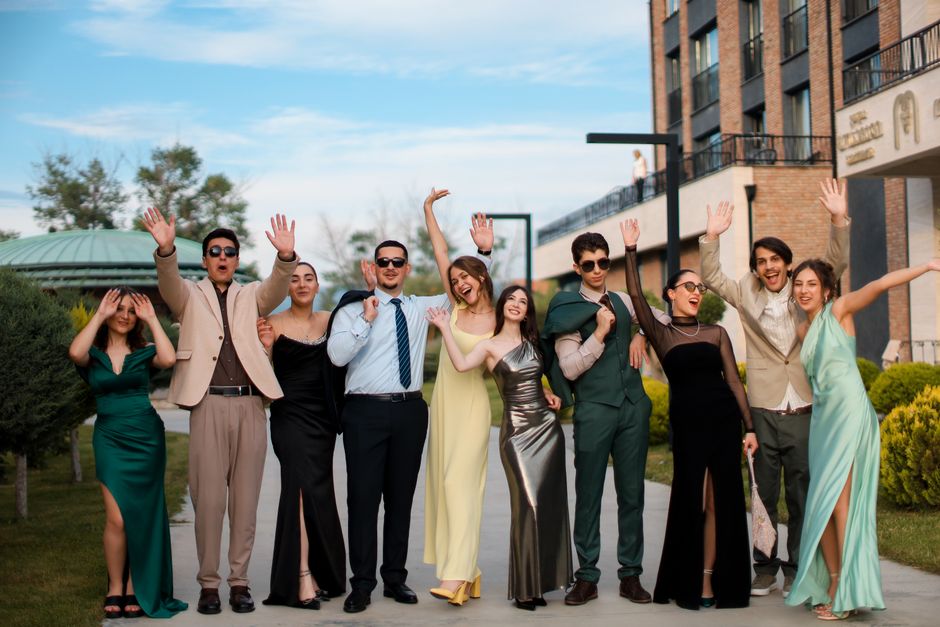
For a dress, choose one of these proven routes
- For the most reliable choice, pick a midi dress. The Reformation Frankie Dress is a useful reference for a bias-cut midi with adjustable straps and a close, fluid line; plan around a $250 to $350 budget when shopping at that level. It works best for an evening wedding when the print or color does the seasonal work.
- For a softer neckline, choose a cowl-neck slip. The J.Crew Gwyneth Slip Dress gives the classic cowl-neck midi shape and adjustable straps; a $150 to $250 target is realistic before sale pricing. Add a cropped jacket if the ceremony is in an over-air-conditioned room.
- For minimal styling, choose a sculptural satin shape. The COS Draped Satin Midi Dress offers a draped neckline and clean midi proportion, so it needs only simple earrings and a small bag. It is the strongest pick for a modern rooftop or gallery venue.
- For daytime coverage, choose sleeves and print. The Sézane Pippa Dress is a useful model for a short-sleeve printed midi with a defined waist. Its shape suits a garden ceremony better than a bare slip dress, especially when the event begins before 4 p.m.
- For a lower-cost satin look, choose a controlled shine. A Mango Satin-Effect Dress can deliver the right finish in an $80 to $120 range, but inspect the fabric under direct light and steam it before wearing it. Thin satin-effect material is a poor choice if it clings, turns transparent, or creases after one car ride.
For a suit or jumpsuit, test the full outfit
- Choose a two-piece suit in lightweight wool, wool-silk, or a structured cotton blend. A navy, cream, pale blue, or tobacco suit reads festive when the shirt is crisp and the shoes are polished; rumpled linen with a casual T-shirt does not.
- Choose a jumpsuit only if the waist stays comfortable while seated. The torso must be long enough to prevent pulling at the shoulders, and the trouser hem should stop cleanly above the shoe rather than pooling on the floor.
- Match the formality of every item. A dressy outfit with a large canvas tote fails the test, as does a sharp suit with worn running shoes. Use a small shoulder bag, leather clutch, sleek loafer, pointed pump, or low block heel.
- Pack a compact layer. A fine-knit wrap, cropped blazer, or unlined jacket protects against cold reception rooms without turning the outfit into office wear.
The clearest product verdict is simple: for a dress-first shopper, the J.Crew Gwyneth Slip Dress is the most flexible reference because its midi length, adjustable straps, and cowl neckline can move from daylight to evening with a jacket; for someone who prefers tailoring, a lightweight navy suit wins because it handles temperature changes and can be worn again after the wedding.
What Should You Wear When the Invitation Is Vague?
Is black acceptable for a summer wedding?
Yes, unless the couple or venue gives a specific color request. Black works especially well for an evening cocktail reception, but summer styling benefits from a lighter texture or a visible accessory: metallic sandals, colorful earrings, a printed scarf, or a small bag in red, cobalt, or green. An all-black outfit in heavy velvet can look too winter-focused for a bright afternoon ceremony, so fabric matters as much as color.
Can you wear white, a floral dress, or a short hem?
Do not wear a primarily white outfit that could be mistaken for bridal clothing, even if the design is casual. A floral print with a white background can work when the pattern clearly dominates, but a solid ivory dress is an unnecessary risk. A short hem can fit cocktail attire when it remains secure while walking and sitting; the problem is not the number of centimeters alone, but whether the cut looks like a nightclub outfit rather than a wedding guest outfit.
What should you wear when rain or heat is likely?
Build the outfit around the part of the day that creates the biggest problem. For heat, choose a breathable lining, a secure neckline, and shoes you can stand in for at least two hours. For rain, choose a shorter midi hem, a closed-toe option, and a compact umbrella in a neutral color. Avoid suede shoes and fragile hems if the forecast calls for wet grass.
If the original scenario sounds familiar, the answer is not another frantic search for a perfect dress. Start with the venue, choose a polished midi or lightweight suit, check the hem and armholes, then finish with shoes and a layer that can handle the entire day. That is summer wedding cocktail attire: festive enough for the photographs, practical enough for the reception, and specific enough to remove the guesswork before you leave home.
