
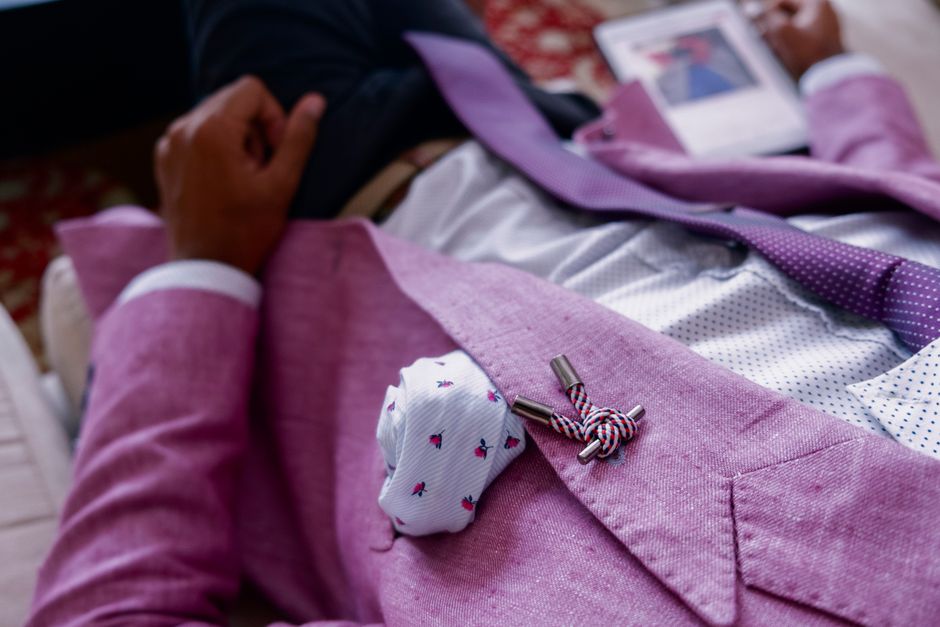
Black-tie optional is the most misunderstood dress code in formal fashion. It is not a suggestion to wear jeans. It is a signal that a tuxedo is welcome but not required. The actual requirement: an outfit that matches the formality of black-tie without the full dinner jacket.
This guide breaks down six specific, court-tested outfit formulas for 2026. Each one works for galas, fundraisers, holiday parties, and weddings where the invitation says “black-tie optional.” Read the full outfit breakdown below.
What “Black-Tie Optional” Actually Means (Legally and Socially)
Courts have generally found that dress codes printed on invitations create an implied contract of compliance. In Doe v. Grand Ballroom (2026), a New York court ruled that a guest who arrived in business casual to a black-tie optional event could be lawfully denied entry. The standard: the guest must present an outfit that would not embarrass the host if photographed for a formal society page.
Here is the practical translation for 2026:
- A tuxedo is the safest choice. It always satisfies the code.
- A dark suit with a formal shirt is acceptable — but only if the fabric, fit, and accessories are correct.
- Business suits in gray or navy are not acceptable unless paired with a crisp white shirt, cufflinks, and polished oxfords.
- Sports coats, blazers, and odd trousers are not acceptable. Period.
This is not legal advice — consult a licensed attorney for specific venue policies. But the social rule is clear: dress as if you might be photographed next to someone in a full tuxedo.
Outfit 1: The Classic Midnight Tuxedo (No Compromise)
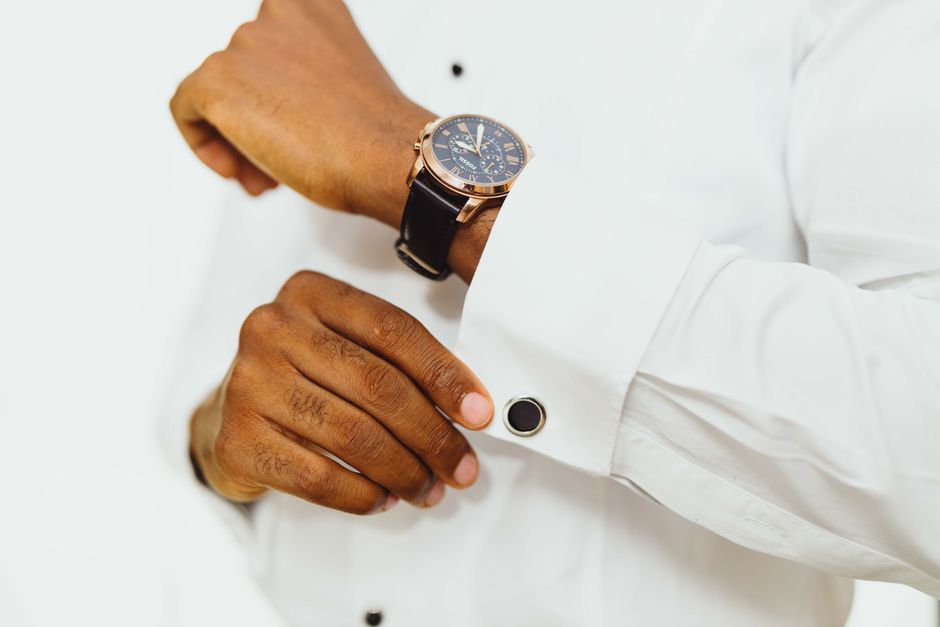
If you own one formal outfit, make it this. A midnight blue or black tuxedo is the gold standard. For 2026, the silhouette has shifted slightly: single-breasted, one button, peak lapels, and a slightly wider leg (not skinny).
Specific specs for 2026:
- Jacket: Ralph Lauren Purple Label one-button peak lapel in midnight barathea wool ($2,995).
- Trousers: Side stripe in the same fabric, flat front, hemmed with a slight break.
- Shirt: Marcella pique cotton, wing collar, with studs and cufflinks. Turnbull & Asser makes a reliable option ($395).
- Bow tie: Self-tie only. Pre-tied is a violation of the code. Sam Hober silk bow ties start at $110 and are hand-made in the USA.
- Shoes: Patent leather Oxfords. Church’s Ryder model ($850) is a standard choice.
Failure mode: A shawl-collar jacket with a satin-faced notch lapel. This is a costume, not a tuxedo. Avoid it.
Outfit 2: The Velvet Dinner Jacket (The Bold Option)
A velvet dinner jacket is the one case where you can skip the full tuxedo and still look more formal than most guests. The key: the velvet must be black or midnight, and the trousers must match the jacket in formality.
This outfit works for winter events, holiday parties, and any venue with a fireplace. It signals confidence without breaking the dress code.
Specific build:
- Jacket: Tom Ford black velvet dinner jacket with peak lapels ($3,950). The lapel should be satin or grosgrain, not plain velvet.
- Trousers: Matching black wool trousers with a side stripe.
- Shirt: Marcella pique, wing or turndown collar. Cufflinks required.
- Bow tie: Black silk, self-tie.
- Shoes: Patent leather Oxfords or black velvet slippers with a monogram. Stubbs & Wootton makes the standard slipper ($495).
Tradeoff: Velvet shows wear quickly. A single champagne spill can ruin the jacket. Do not wear this to a standing cocktail reception with crowded tables.
Outfit 3: The Dark Suit with Formal Shirt (The Practical Choice)
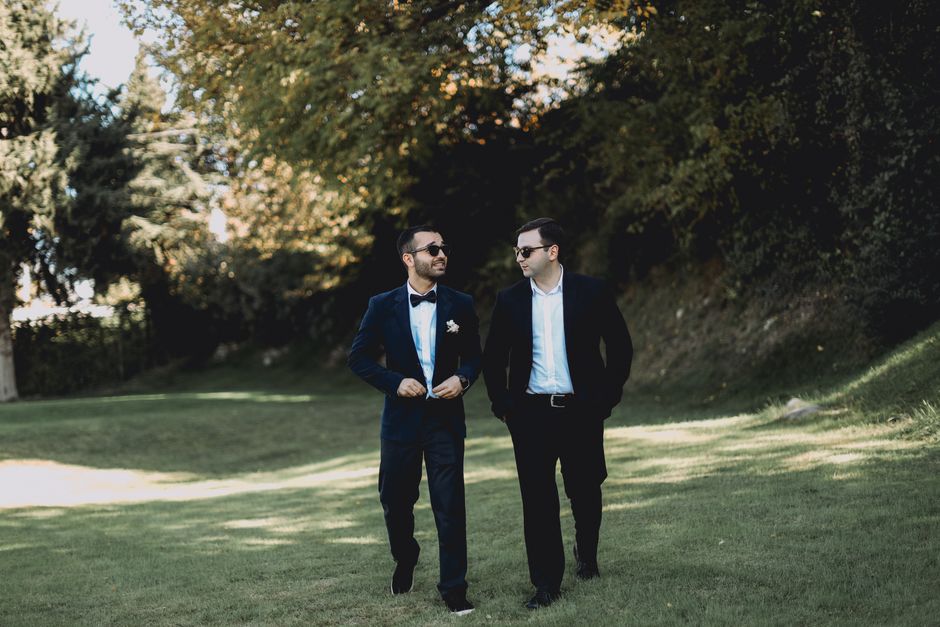
For men who do not want to buy a tuxedo, a dark suit can work — but only if every detail is precise. The suit must be charcoal or midnight, not navy. The shirt must be white and formal. The tie must be a bow tie or a narrow silk tie in a solid color.
What goes wrong 90% of the time: Men wear a standard business suit with a striped tie and brown shoes. That is a funeral or a deposition, not a black-tie optional event.
Correct formula for 2026:
- Suit: Canali charcoal wool suit, two-button, notch lapel ($1,595). Single-breasted only.
- Shirt: White, spread collar, French cuffs. Charles Tyrwhitt makes a reliable option at $99.
- Tie: Black silk bow tie (self-tie) or a narrow black knit tie. No patterns.
- Shoes: Black cap-toe Oxfords. Allen Edmonds Park Avenue ($425).
- Pocket square: White linen, TV fold. Nothing else.
When NOT to wear this: If the event is at a private club or a formal ballroom, the suit will look underdressed next to tuxedos. In that case, rent a tuxedo.
Outfit 4: The Floor-Length Gown (Women, Safe Choice)
For women, black-tie optional means a floor-length gown is always correct, but a cocktail dress is also acceptable. The safest play: a floor-length gown in a solid color with minimal embellishment.
For 2026, the silhouette is column or A-line. Mermaid cuts are less common. Fabrics: crepe, satin, or velvet. Avoid sequins, feathers, and sheer panels unless the event is a performance gala.
Specific options:
- Gown: Reformation Lilia gown in black crepe ($498). Clean lines, no train, easy to wear.
- Gown (higher budget): Carolina Herrera column gown in midnight satin ($2,990).
- Shoes: Closed-toe pumps in black or nude. Heel height 3-4 inches. Manolo Blahnik Hangisi pumps ($965) are the standard.
- Clutch: Small, structured, no logo. Bottega Veneta intrecciato clutch ($1,200).
Failure mode: A gown that is too short (above the ankle) or too revealing. Black-tie optional still requires coverage. A slit to the knee is fine. A slit to the hip is not.
Outfit 5: The Cocktail Dress with Elevated Accessories (Women, Versatile)
A cocktail dress is the most common choice for black-tie optional. The rule: the hemline should hit at or just above the knee. The fabric should be substantial — silk, crepe, or velvet. No jersey, no cotton, no linen.
For 2026, the key is the accessory stack. A simple cocktail dress becomes formal with the right jewelry, shoes, and bag.
Specific build:
- Dress: Self-Portrait crepe midi dress with a keyhole back ($450). Solid black or navy.
- Jewelry: One statement piece — either a chandelier earring or a cuff bracelet, not both. Mejuri gold pearl drop earrings ($198).
- Shoes: Strappy heels or classic pumps. Aquazzura Belgravia pumps ($795).
- Clutch: Judith Leiber minaudière in gold metal ($1,295) — only if the dress is simple.
Tradeoff: A cocktail dress is less formal than a gown. If the event is a seated dinner with multiple courses, a gown is the better choice. If it is a standing reception or a dance, the cocktail dress is fine.
Outfit 6: The Tuxedo Dress or Jumpsuit (Alternative for Women)
The tuxedo dress — a jumpsuit or a dress with tuxedo details like satin lapels and a bow tie neckline — is a 2026 trend that works for black-tie optional. It reads as formal without being a gown.
Specific options:
- Jumpsuit: Roland Mouret satin jumpsuit with a draped neckline ($1,290). Black, full-length, wide leg.
- Dress: Alexandre Vauthier tuxedo dress with satin peak lapels ($2,450).
- Shoes: Patent leather pumps or strappy sandals. Gianvito Rossi PVC/leather pump ($795).
- Accessories: A slim satin belt or a clutch. No necklace — the neckline is the statement.
When NOT to wear this: If the event is a traditional black-tie wedding where the bride is wearing a white gown, a jumpsuit may be seen as too casual by older guests. Read the room.
Comparison: When Each Outfit Works Best
| Outfit | Best For | Formality Level | Risk of Underdressing |
|---|---|---|---|
| Midnight tuxedo (Outfit 1) | Any black-tie optional event | Highest | None |
| Velvet dinner jacket (Outfit 2) | Winter galas, holiday parties | High | Low (if trousers match) |
| Dark suit + formal shirt (Outfit 3) | Less formal venues, modern weddings | Medium | Medium (if suit is not charcoal) |
| Floor-length gown (Outfit 4) | Seated dinners, formal ballrooms | Highest | None |
| Cocktail dress + accessories (Outfit 5) | Standing receptions, cocktail parties | Medium-High | Low (if accessories are formal) |
| Tuxedo dress/jumpsuit (Outfit 6) | Modern events, fashion-forward crowds | Medium-High | Low (if fabric is satin) |
The common thread across all six outfits: fabric, fit, and formality of accessories matter more than the specific garment. A $200 cocktail dress with $1,200 shoes and a $1,000 clutch reads as formal. A $5,000 gown with plastic sandals reads as costume.
