

Most T-shirts sold today fall apart after 10 washes. The fabric pills, seams twist, and collars turn into bacon strips. You know this because you’ve thrown away at least a dozen of them. The average American buys 68 garments per year but keeps them for only 3 months. That’s not a wardrobe—that’s a trash pipeline.
Here’s what nobody tells you: a truly durable basic doesn’t cost 10x more. It costs maybe 2x more, but lasts 20x longer. The difference isn’t price—it’s specific choices in fiber, weave, and stitching. I’ll show you exactly what to look for on the tag and in your hands.
What Makes a Basic Last 10 Years? The 3 Non-Negotiables
Forget brand names for a minute. Every piece of clothing that survives a decade shares three things: long-staple fibers, tight construction, and simple design. Miss any one of these, and the garment will fail early.
Fiber Length Determines Everything
Cotton fibers range from 1/2 inch (short staple) to over 2 inches (long staple like Egyptian or Supima). Short fibers = more fiber ends poking out = pilling and fuzz after 5 washes. Long fibers = smooth surface that stays intact for years. The tag won’t tell you staple length directly, but Egyptian cotton, Supima, and Sea Island cotton are always long-staple. A 100% Supima cotton T-shirt from Uniqlo ($19.90) outperforms most $80 designer tees made from short-staple cotton.
Thread Count and Weave Density
For woven fabrics (button-downs, denim), higher thread count means denser fabric. But there’s a trick: anything above 400 for Oxford cloth or 600 for broadcloth is usually marketing fluff. The real test is grams per square meter (GSM). A good T-shirt should be 180-220 GSM. Uniqlo’s Supima Cotton Tee hits 200 GSM. Patagonia’s Responsibili-Tee ($35) uses 210 GSM organic cotton. Hold it up to the light—if you can see through it easily, it won’t last two years.
Seam Construction: The Hidden Weak Point
Look at the inside of a shirt. Flat-felled seams (two rows of stitching, fabric folded over itself) are the gold standard. They’re common on denim and workwear. Overlock or serged seams (single zigzag stitch) are cheaper and unravel faster. Barbour’s Bedale Jacket ($449) uses flat-felled seams throughout—that’s why 30-year-old Barbours still look good. For T-shirts, look for double-needle stitching on the hem and shoulders. If you see a single row of thread, expect failure within 12 months.
5 Quick Tests You Can Do in Any Store (No Tools Required)

You don’t need a magnifying glass or fabric expertise. These five tests take 30 seconds and reveal everything.
- The Stretch Test – Grab the fabric and pull it in both directions. If it snaps back instantly, the fiber has good recovery. If it stays stretched or ripples, the garment will sag within hours of wear.
- The Light Test – Hold the garment up to a bright light. If you see a grid of holes (loose weave), it’ll tear easily. Dense, uniform light-blocking = quality.
- The Seam Pinch – Pinch a seam and pull gently. If you see thread gaps or the seam separates, that’s a $5 garment disguised as a $50 one.
- The Button Jiggle – For shirts with buttons, jiggle each button. If it wobbles or the thread is loose, buttons will fall off within 10 wears. Filson’s Mackinaw Wool Cruiser ($495) uses cross-stitched buttons that won’t budge.
- The Wrinkle Recovery – Crumple the fabric in your fist for 5 seconds, then release. High-quality linen or cotton-poly blends will drop most wrinkles. Cheap cotton stays crumpled.
These tests separate Uniqlo’s Supima Cotton Tee ($19.90) from a 3-pack of generic tees at the same price. The Uniqlo passes all five. The 3-pack fails at least three.
The 4 Fabric Types That Actually Improve With Age
Most fabrics degrade. These four get better. If you buy basics in these materials, you’re investing in a wardrobe that improves over time.
| Fabric | Why It Improves | Best For | Example Product | Price Point |
|---|---|---|---|---|
| Raw Selvedge Denim | Fades to your body’s unique crease patterns. Indigo dye deepens with wear. The tight weave prevents rips. | Jeans, jackets | Nudie Jeans Gritty Jackson ($260) | $150-$350 |
| Full-Grain Leather | Develops a patina (darkening and sheen) from oils and sunlight. Scratches buff out. Gets softer without losing structure. | Belts, boots, jackets | Red Wing Iron Ranger Boots ($350) | $200-$600 |
| Merino Wool | Fine fibers (17-20 microns) resist pilling. Natural lanolin makes it water-resistant. Odor-resistant—wear 5 times between washes. | Base layers, sweaters | Icebreaker Tech Lite Tee ($75) | $60-$120 |
| Linen (High-Grade) | Becomes softer and more supple after each wash. The natural slubs (irregularities) become less pronounced. Dries faster than cotton, so less wear from moisture. | Shirts, trousers, summer basics | Alex Mill Linen Button-Down ($135) | $80-$200 |
One warning: Not all wool is equal. Generic merino from fast-fashion brands uses 21-24 micron fibers that pill within 3 washes. Stick to brands that specify micron count: 17-18.5 is luxury, 19-20 is durable everyday. Patagonia’s Capilene Cool Merino ($89) uses 18.5 micron wool and has a 1-year guarantee.
When NOT to Buy Expensive Basics (The 3 Exceptions)
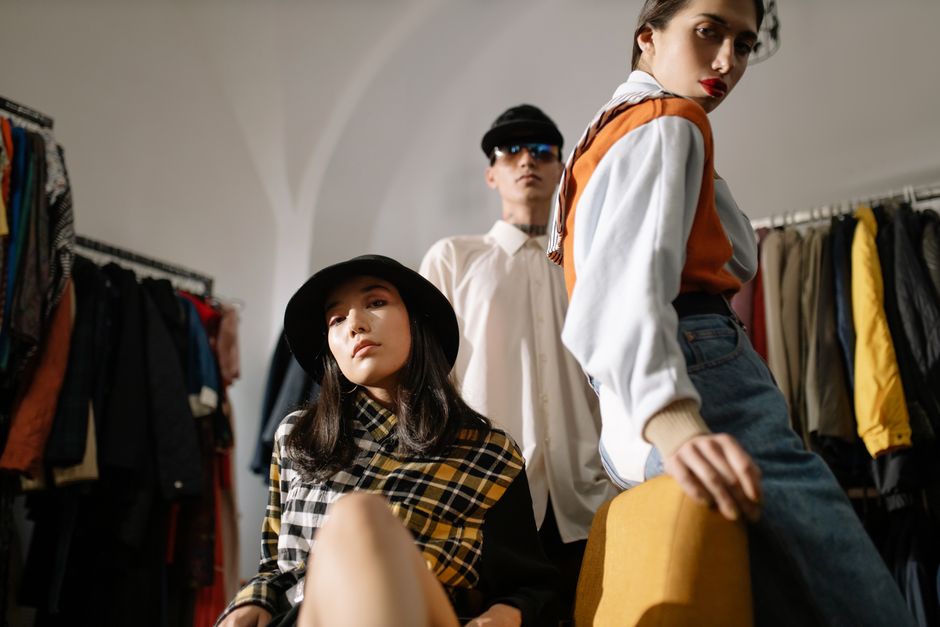
Spending more isn’t always smarter. Here are three situations where cheap basics win.
1. White T-shirts for heavy staining. If you wear white tees under grease, sweat, or red wine, buy the Hanes ComfortSoft 6-Pack ($24). They’ll discolor after 15 washes anyway. Save your $35 Uniqlo Supima for layering. The tradeoff: 6 cheap tees cost less than 2 quality ones, and you’ll replace them yearly.
2. Trendy cuts that change every 2 years. Wide-leg trousers, cropped jackets, exaggerated shoulders—these shapes cycle out. A $200 pair of trendy pants is a bad investment. Buy cheap silhouettes ($40 from Zara) and invest in timeless shapes like straight-leg jeans or a crewneck sweater.
3. Gym wear. High-end activewear (Lululemon Align leggings, $98) uses delicate fabrics that pill from friction with gym equipment. Old Navy’s Go-Dry line ($15 per piece) lasts just as long under heavy gym use because the fabric is thicker and less prone to pilling. Save the Lululemon for yoga—wear Old Navy for deadlifts.
The 3 Most Common Wardrobe Mistakes (And How to Fix Them)
These mistakes cost people hundreds per year. Avoid them and your basics will last twice as long.
Mistake 1: Washing everything after every wear. Denim, wool, and linen need washing every 5-10 wears unless visibly dirty. Overwashing strips natural oils, weakens fibers, and fades color. Air out jeans overnight instead. Nudie Jeans recommends washing raw denim every 6 months for the first 2 years. Your jeans will last 3x longer.
Mistake 2: Using hot water and high heat drying. Hot water shrinks fibers unevenly, creating distortion. High heat degrades elastic (spandex) in 10 cycles. Wash everything in cold water, gentle cycle. Air dry your merino and linen. Use low heat for cotton tees. This simple change doubles garment life.
Mistake 3: Ignoring repairs. A loose button takes 2 minutes to fix. A popped seam takes 10 minutes. Most people throw away shirts with missing buttons or small holes. Learn basic hand sewing (YouTube has 5-minute tutorials). A $5 sewing kit saves you $200 per year in replacements. Barbour offers free repairs for life on their jackets—use it.
How to Build a 10-Year Capsule Wardrobe (6 Pieces to Start)

You don’t need 50 pieces. You need 6 that cover 90% of situations. Here’s the starter list with specific products that pass all our tests.
- White T-shirt: Uniqlo Supima Cotton Tee ($19.90) – 200 GSM, long-staple cotton, double-needle hem. Replace every 2-3 years.
- Dark jeans: Nudie Jeans Gritty Jackson ($260) – 100% organic cotton, raw selvedge, flat-felled seams. Free repairs for life. Lasts 5-10 years.
- Oxford button-down: Brooks Brothers Original Button-Down ($98) – 100% Supima cotton, 2-ply fabric, locker loop for hanging. Lasts 4-6 years.
- Crewneck sweater: Patagonia Capilene Cool Merino ($89) – 18.5 micron merino, odor-resistant, 1-year guarantee. Lasts 5+ years.
- Jacket: Barbour Bedale ($449) – 6-oz waxed cotton, flat-felled seams, free repairs for life. Lasts 20+ years.
- Belt: Tanner Goods Standard Belt ($85) – full-grain leather, brass buckle, no lining (won’t delaminate). Lasts 10+ years.
Total cost: $996. That’s less than 15 fast-fashion outfits that would disintegrate in 2 years. After year 3, you’re saving money. After year 5, you’ve saved over $1,000. After year 10, you own a wardrobe that’s uniquely yours—faded, softened, and marked by your life.
That’s the real payoff. Not saving money, but owning clothes that remember where you’ve been.
