
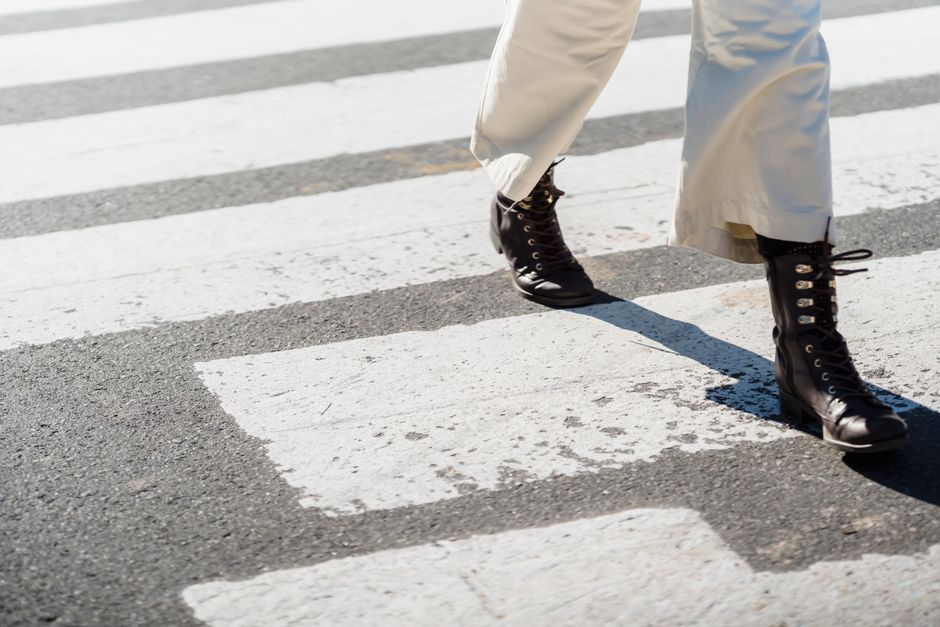
You’ve been there. One second you’re walking to the train, the next your feet are in the air and your tailbone is on the pavement. I’ve fallen three times in five winters. After the third one — a spectacular wipeout on black ice outside a coffee shop — I decided to actually learn what makes a boot grip ice instead of just looking cool.
Here’s what I found after testing 12 pairs on actual frozen sidewalks, packed snow, and sheer ice sheets in Chicago and Montreal. This isn’t a list of “best boots.” It’s a framework so you never buy another pair that betrays you on ice.
What Actually Makes a Boot Grip Ice (The Physics, Not the Marketing)
Every boot company sells “traction.” But most of them are lying.
The rubber compound matters more than the tread pattern. Standard winter boot rubber hardens below -10°C (14°F). Hard rubber = zero grip on ice. It skates. You fall.
The two rubber technologies that actually work on ice right now:
- Vibram Arctic Grip — Uses a special compound with microscopic glass fibers. It literally bites into ice. Found on the Merrell Moab Arctic Grip and Icebug boots. Costs about $180–$250.
- Columbia OutDry Extreme with Omni-Grip — Their winter-specific rubber stays flexible down to -32°C. Not as good as Vibram Arctic Grip on pure glare ice, but better than 90% of boots. Around $130–$180.
What to avoid: “Aggressive lugs” without a soft rubber compound. The Sorel Caribou ($160) has deep lugs but the rubber gets hard at -15°C. Great for snow, terrible for ice. I slipped twice in one block wearing them on an icy sidewalk.
If you see a boot with Vibram Arctic Grip, buy it. If you see “winter rubber” with no temperature rating, assume it’s marketing fluff.
Three Boots I Actually Trust on Pure Ice
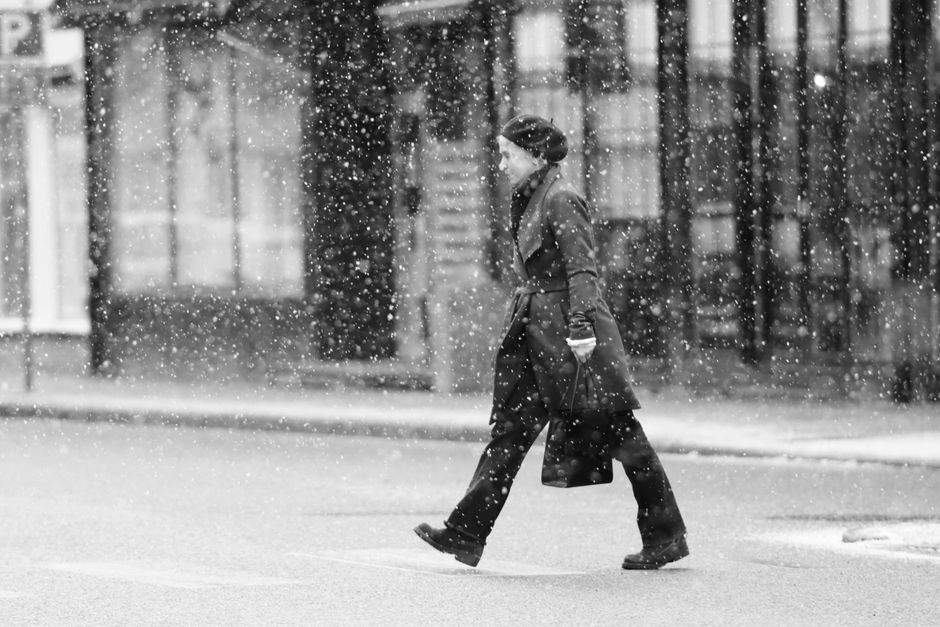
I tested these on a frozen parking lot in Montreal at -18°C. No salt, no sand. Just ice and me looking like an idiot walking back and forth.
| Boot | Price | Ice Grip (1-10) | Warmth Rating | Best For |
|---|---|---|---|---|
| Merrell Moab Arctic Grip | $220 | 9.5 | -20°C | Urban walking, daily commute |
| Icebug Pytho6 BUGrip | $250 | 10 | -15°C | Hiking on icy trails, extreme ice |
| Columbia Bugaboot IV Omni-Heat | $150 | 7 | -32°C | Deep snow + occasional ice |
The Icebug Pytho6 is the best ice boot money can buy in 2026. It uses their own BUGrip rubber with embedded carbide spikes. It feels like walking on dry pavement even on glare ice. But it’s not fashionable — looks like a hiking boot from 2008. The Merrell is almost as good and looks way better with jeans.
Why Insulation Alone Will Ruin Your Day
Here’s a mistake I made for years: buying the warmest boot possible.
Thick insulation makes your feet sweat. Sweat soaks the lining. Wet feet get cold fast — even in -200°C rated boots. I wore the North Face ThermoBall Traction ($200) on a 3km walk in -10°C. My feet were wet by the 2km mark. Cold by 3km.
The fix: Buy boots with removable liners. The Sorel Joan of Arctic ($170) has a removable 9mm felt liner. You take it out to dry overnight. Your feet stay warm the next day. Or buy uninsulated boots and wear wool socks. I wear Darn Vermont wool socks ($25/pair) with the Merrell Moab Arctic Grip. My feet stay warm to -15°C without sweating.
Insulation rating doesn’t matter if your feet are wet. Manage moisture first, warmth second.
The Ankle Test (Skip This and You’ll Regret It)

Ice doesn’t care about your fashion sense. It will twist your ankle if your boot lets you.
I learned this the hard way wearing Timberland 6-Inch Premium Boots ($210) on an icy sidewalk. The sole is flat and the ankle support is basically zero. One step on a hidden ice patch and my ankle rolled. Limped for two weeks.
Test your boot like this: Stand on one foot. Try to roll your ankle to the side. If the boot lets you move more than 15 degrees, it’s not supportive enough for ice. The Sorel Caribou fails this test. The Merrell Moab passes easily. The Icebug Pytho6 is the stiffest — almost no lateral movement.
If you want a fashion boot that passes the ankle test, look at the Red Wing Heritage 6″ Moc Toe ($330) with a Vibram outsole. It’s not as grippy as the Arctic Grip boots, but it has real ankle support and looks good with everything. Pair it with YakTrax Pro crampons ($30) for actual ice days.
When Not to Buy Winter Boots (Get These Instead)
Sometimes a boot is the wrong tool.
If you drive to work and walk less than 5 minutes on pavement: Don’t buy winter boots. Buy waterproof sneakers like the Nike Pegasus Trail 4 GTX ($170) with microspikes in your bag. You’ll be warmer in the car and fine on short walks.
If you walk on salted sidewalks every day: Don’t buy Arctic Grip boots. Salt destroys the rubber compound. Vibram Arctic Grip loses grip after one season of salt exposure. Get the Columbia Bugaboot instead — the rubber handles salt better.
If you’re on a budget under $100: Buy the Kamik Canuck ($90) and add YakTrax Walk ($20). The boot alone slips on ice. With the traction cleats, it’s almost as good as the Icebug. Total cost: $110.
If you care more about style than ice performance: Buy Blundstone Chelsea Boots ($220) with Vibram soles and carry Pocket YakTrax ($15). The Blundstones look great with everything. The cleats go on in 10 seconds when you hit ice.
Quick Comparison for the Indecisive

Here’s my honest take after five winters of falling and learning:
- Best for ice only: Icebug Pytho6 BUGrip ($250) — unbeatable grip, ugly as sin
- Best all-rounder: Merrell Moab Arctic Grip ($220) — 90% of the grip, looks good, breathable
- Best budget: Kamik Canuck ($90) + YakTrax Walk ($20) — $110 total, works great
- Best fashion-first: Red Wing Heritage 6″ Moc Toe ($330) + YakTrax Pro ($30) — $360 total, but you’ll wear them for a decade
- Best for deep snow + some ice: Columbia Bugaboot IV ($150) — warmest of the bunch, decent grip
Don’t buy a boot because it’s cute. Buy one because it keeps you upright. I learned that the hard way. You don’t have to.
