
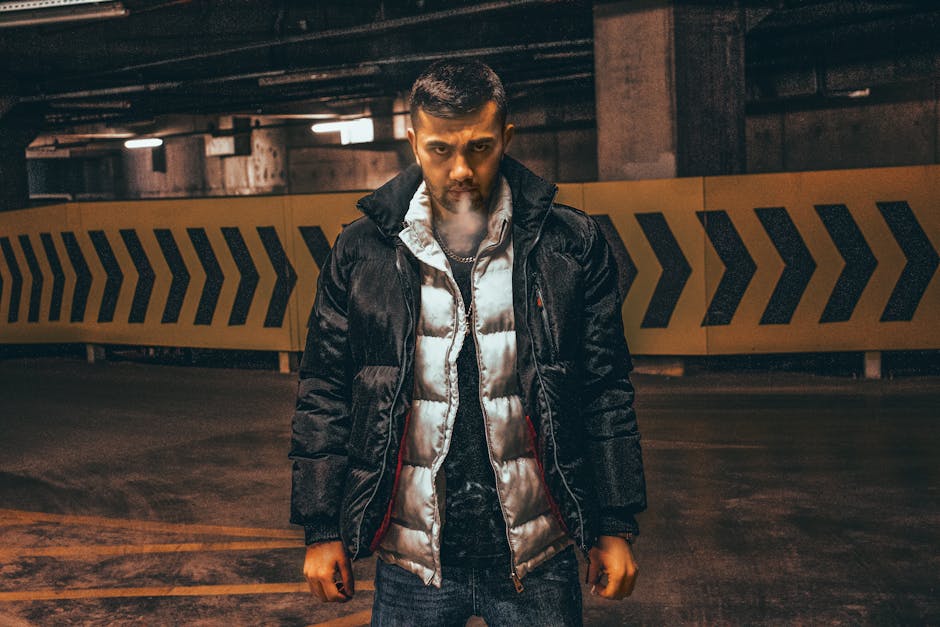
Many people assume puffer jackets are just for mountaineers or extreme winters. This is a common misconception in Pakistan. The truth is, a good puffer jacket is one of the most versatile and practical pieces of outerwear you can own, even for our milder city winters or chilly northern excursions. They offer incredible warmth-to-weight ratios, are often highly packable, and have evolved significantly in style. You don’t need to look like you’re scaling K2 to enjoy the benefits of a well-made puffer.
Instead of bulky layers, a quality puffer traps heat efficiently. It’s about smart insulation, not just thick fabric. Understanding how they work and what features matter will transform your winter wardrobe, offering both comfort and modern style. It’s about choosing the right tool for the job, whether that’s a morning commute or a trip to Murree.
Misconception & The Real Value of Puffer Jackets
The biggest misunderstanding about puffer jackets often revolves around their perceived bulkiness and their specific use case. People tend to think they’re either too big to be fashionable or only appropriate for sub-zero temperatures. This couldn’t be further from the truth. Modern puffer jackets are designed with advanced materials and construction methods that allow for a sleek profile while still delivering exceptional warmth. They bridge the gap between heavy wool coats and light windbreakers, providing a perfect mid-ground for Pakistan’s diverse winter climates.
Think about a typical Karachi winter evening, where the air gets surprisingly crisp, or a Lahore morning fog. A lightweight puffer is ideal. For those heading to Islamabad’s Margalla Hills or further north to Naran and Kaghan, a more robust, down-filled option becomes essential. The value lies in their adaptability and the scientific principle of trapping air for insulation. The ‘puff’ isn’t just for show; it’s a critical element in keeping you warm by creating tiny pockets of air that prevent heat loss from your body.
Dispelling the Bulk Myth
Gone are the days when all puffers resembled Michelin Man suits. Today, brands employ various fill powers and fabric technologies to create slim-fit, urban-friendly designs. Many come with sleek quilting patterns, subtle branding, and even waterproof or water-resistant finishes that make them suitable for a rainy day without looking out of place in a café. You can find options that are incredibly lightweight and pack down into a small pouch, making them excellent travel companions. A good puffer jacket shouldn’t restrict your movement or make you feel oversized; it should feel like a warm, protective shell that moves with you.
Understanding Fill Power and Insulation Types
The core of a puffer jacket’s warmth comes from its insulation, typically either down (feathers) or synthetic materials. Fill power is a key metric for down insulation, indicating the quality and loft of the down. A higher fill power (e.g., 600, 700, 800) means more warmth for less weight. For context, a 600 fill power is good for general cold, while 800+ is for extreme conditions. Brands often specify this number, and it’s a direct indicator of performance.
Synthetic insulation, on the other hand, excels in wet conditions. Unlike down, which loses its insulating properties when damp, synthetic fills (like PrimaLoft or proprietary blends) continue to provide warmth even when wet. They are also generally more affordable and hypoallergenic. When choosing, consider your primary use: dry cold for down, potentially damp or humid cold for synthetic. Many modern puffers also use a blend of both to combine the best of both worlds.
How to Select the Right Puffer: Beyond Just Brand Names
Choosing a puffer jacket is more than just picking a color. It requires a practical approach to ensure you get value and utility. Here’s a step-by-step guide to help you decide:
- Determine Your Climate Needs: Are you mostly in mild city winters (Karachi, Lahore) or heading to colder regions (Islamabad, Gilgit-Baltistan)? This dictates the required warmth and fill power. For city use, a lightweight 400-600 fill power or a thin synthetic puffer is usually enough. For colder mountain areas, aim for 600-800+ fill power.
- Consider Insulation Type:
- Down: Offers superior warmth-to-weight ratio and compressibility. Best for dry, cold conditions.
- Synthetic: Maintains warmth when wet, generally more affordable, and hypoallergenic. Good for damp or unpredictable weather.
- Check for Features: Look for practical additions like adjustable hoods, elasticated cuffs to seal in warmth, and multiple pockets. A two-way zipper can also be very convenient for ventilation and comfort when sitting.
- Assess Shell Fabric: The outer fabric should be durable and ideally water-resistant or waterproof. Nylon and polyester are common choices. Ripstop nylon offers good tear resistance.
- Prioritize Fit: A puffer should fit snugly enough to trap body heat but allow for a thin layer underneath. Too loose, and heat escapes; too tight, and you restrict movement and insulation. Try it on with a sweater.
- Evaluate Packability: If you travel frequently, look for jackets that can compress into their own pocket or a small stuff sack. This saves significant space in your luggage.
Checking for Water Resistance
Water resistance is not the same as being waterproof, but for most conditions in Pakistan, it’s sufficient. Look for a Durable Water Repellent (DWR) finish on the outer fabric. This causes water to bead up and roll off, preventing the jacket from soaking through quickly. This feature is crucial if you anticipate light rain or snow, especially in northern areas. While fully waterproof puffers exist, they are often more expensive and might feel less breathable.
Prioritizing Packability
For anyone who travels or has limited closet space, a highly packable puffer is a . Many modern jackets are designed to compress into a small pouch or even their own pocket, making them easy to carry in a backpack or day bag. This feature is particularly useful when traveling between different climates or when you need to shed a layer indoors without carrying a bulky item. Check the product specifications for “packable” or “stows in pocket” details.
Top Pakistani Brands for Quality Puffer Jackets
When it comes to finding reliable and stylish puffer jackets in Pakistan, several local brands have stepped up, offering competitive quality and design. My top recommendation for a blend of contemporary style and practical warmth is Outfitters. They consistently deliver fashionable designs that are well-suited for urban wear while still providing solid insulation.
You want a puffer that feels good, looks good, and actually keeps you warm. These brands understand the local market’s needs and aesthetic preferences, providing options that cater to various tastes and budgets, from sleek minimalist designs to more robust, adventure-ready pieces. It’s about getting a jacket that fits your lifestyle, not just a label.
Outfitters: Style Meets Function
Outfitters is arguably one of the most popular fashion brands in Pakistan, and their puffer jacket collection is a testament to their understanding of modern trends and consumer demands. Their puffers often feature contemporary cuts, a wide range of colors, and a good balance of synthetic insulation for everyday use. You’ll find options with sleek matte finishes, detachable hoods, and practical pockets. Prices typically range from PKR 7,000 to PKR 15,000, making them an accessible mid-range option for those seeking style and warmth without breaking the bank. For example, their ‘Quilted Puffer Jacket’ series offers excellent value for urban use.
ChenOne: Premium Comfort & Durability
For those looking for a slightly more premium offering with an emphasis on durability and classic styling, ChenOne is an excellent choice. Their puffer jackets often incorporate higher-quality materials and construction, aiming for longevity. You might find more sophisticated designs, sometimes with subtle textural differences or refined hardware. While their range might be smaller, the focus is on timeless pieces that withstand seasonal trends. ChenOne’s puffers are generally priced between PKR 10,000 to PKR 20,000, reflecting their commitment to quality and comfort. Their down-alternative options are particularly noteworthy for consistent warmth.
Stoneage & Breakout: Trendy and Accessible Options
If you’re after trendy designs and more budget-friendly prices, Stoneage and Breakout are solid contenders. These brands are known for their fast fashion approach, meaning their puffer collections often reflect the latest international styles. You can expect vibrant colors, interesting quilting patterns, and youthful silhouettes. While the insulation might be more basic synthetic, they are perfectly adequate for most city winters and offer great value. Their price points typically fall between PKR 5,000 and PKR 12,000, making them excellent entry points for students or anyone wanting a stylish puffer without a major investment. Look for their seasonal drops for the freshest designs.
Before you make a final decision, always consider the specific features relevant to you. Do you need a hood? Are deep pockets important? Does the color fit your existing wardrobe? These details make a big difference.
Budget-Friendly Puffer Picks That Don’t Compromise Warmth

Finding a warm puffer jacket on a budget in Pakistan is absolutely possible. My clear verdict for cost-effective warmth is to explore brands like Leisure Club or even reputable local sportswear stores. Leisure Club often offers decent quality synthetic puffers that provide adequate warmth for city conditions without the high price tag, typically in the PKR 4,000 to PKR 8,000 range. You might not get premium down or advanced features, but you’ll get core insulation that does the job for daily wear.
Consider looking at smaller, independent shops or even online marketplaces, but always check reviews for quality and sizing. Sometimes, a lesser-known brand can surprise you with a solid product at a significantly lower price point.
Extending Your Puffer’s Life: Care and Maintenance Essentials
A good puffer jacket is an investment in your winter comfort. Proper care ensures it lasts for many seasons, maintaining its loft and insulating properties. Neglecting maintenance can lead to flattened insulation, reduced warmth, and an overall shorter lifespan for your jacket. It’s not complicated, but it does require a specific approach to washing and storage.
Understanding how to clean and store your puffer will not only preserve its appearance but also its functional integrity. This means it will continue to keep you warm and looking good year after year, saving you money on replacements.
How Do You Wash a Puffer Jacket?
Washing a puffer jacket requires a delicate touch. Always check the care label first, as instructions can vary based on insulation type. For most down or synthetic puffers, here’s a general guide:
- Prep the Jacket: Zip up all zippers, close any fasteners, and turn the jacket inside out.
- Use the Right Detergent: Use a specialized down-wash soap (like Nikwax Down Wash Direct) or a mild, non-detergent soap. Avoid standard detergents, fabric softeners, and bleach, as they can strip natural oils from down or damage synthetic fibers.
- Washing Machine: Use a front-loading washing machine (top-loaders with agitators can damage the jacket). Wash on a gentle cycle with cold water. You might need an extra rinse cycle to ensure all soap is removed.
- Drying: This is the most crucial step. Tumble dry on a low heat setting with a few clean tennis balls or dryer balls. The balls help break up clumps of insulation and restore the jacket’s loft. This process can take several hours, and you might need to stop the dryer every 30 minutes to manually fluff and redistribute the insulation. Ensure it’s completely dry before storing to prevent mildew.
What About Storage During Off-Season?
Proper storage prevents compression damage and maintains the puffer’s loft. Avoid compressing your puffer jacket for extended periods. When not in use, hang it on a wide hanger in a cool, dry place. Ensure it’s clean and completely dry before storing it away. Storing a damp jacket will lead to mildew and odor. If you used a stuff sack for travel, remove the jacket from it immediately upon returning home to allow the insulation to decompress. For very long-term storage, a breathable garment bag can offer additional protection against dust and pests without compressing the insulation.
Puffer Jacket Brand Comparison: Key Features at a Glance
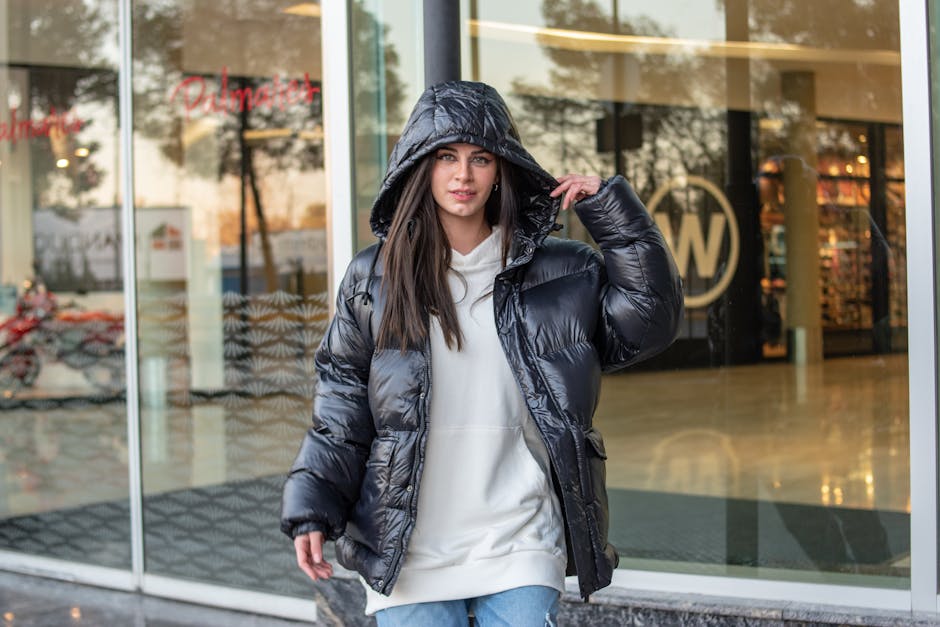
Deciding between brands often comes down to specific needs and budget. Here’s a brief summary of how the top Pakistani brands stack up:
| Brand | Typical Price Range (PKR) | Primary Insulation Type | Style Focus | Best For |
|---|---|---|---|---|
| Outfitters | 7,000 – 15,000 | Synthetic | Urban, Trendy, Modern | Everyday city wear, casual outings, fashion-forward individuals |
| ChenOne | 10,000 – 20,000 | Synthetic (Down-alt) | Classic, Durable, Refined | Premium feel, longer-term investment, sophisticated urban looks |
| Stoneage | 5,000 – 12,000 | Synthetic | Youthful, Fashionable, Vibrant | Budget-conscious trendsetters, students, seasonal style updates |
| Breakout | 5,000 – 12,000 | Synthetic | Casual, Trendy, Accessible | Similar to Stoneage, good for frequent style changes, versatile casual wear |
| Leisure Club | 4,000 – 8,000 | Synthetic | Basic, Functional | Strictly budget-focused, core warmth, no-frills practicality |
