
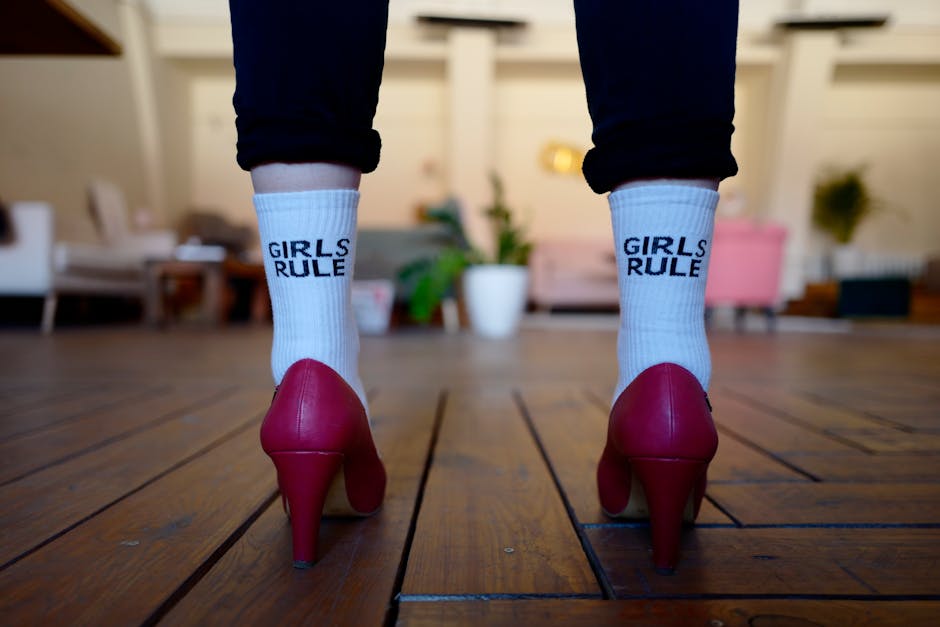
Spend enough money on heels and one thing becomes obvious: price and quality don’t track each other as neatly as the marketing suggests. I’ve worn $1,100 Louboutins that left raw blisters by hour three and $195 Stuart Weitzmans that carried me through a European trip without a single complaint. The brand name on the box matters less than most people think — what matters is understanding what each brand actually engineers, and which ones are mostly selling nostalgia.
The Price Tier Reality: What You Actually Get at Each Level
The heel market runs from $80 fast fashion to $2,000 bespoke Italian. Between those extremes, there are roughly four real tiers — and knowing what each tier delivers prevents you from spending $700 expecting $700 worth of comfort.
| Brand | Price Range | Made In | Known For | Comfort (1–5) | Best Use Case |
|---|---|---|---|---|---|
| Christian Louboutin | $800–$1,500 | Italy / France | Red lacquer sole, status signaling | 3 | Events, photography, statement dressing |
| Manolo Blahnik | $700–$1,400 | Italy | Refined silhouette, 50 years of last development | 4 | Evening wear, long-term investment pieces |
| Gianvito Rossi | $650–$1,200 | Italy (San Mauro Pascoli) | Clean construction, wearable daily luxury | 4.5 | Office-to-event, frequent wear |
| Jimmy Choo | $500–$1,100 | Italy / global | Glamour, crystal embellishment | 3.5 | Weddings, formal occasions |
| Roger Vivier | $700–$1,600 | France / Italy | Buckle hardware, French heritage design | 3.5 | Signature statement pieces |
| Sergio Rossi | $500–$900 | Italy | Structural elegance, everyday wearability | 4 | Work, formal, extended wear |
| Valentino | $600–$1,200 | Italy | Rockstud hardware, bold design language | 3 | Fashion-forward styling, editorial |
| Giuseppe Zanotti | $400–$900 | Italy | Embellished, high-impact design | 3 | Statement occasions, special events |
| Stuart Weitzman | $150–$450 | Spain | Comfort engineering, width variations | 4.5 | Daily use, travel, extended wear |
| Sam Edelman | $60–$180 | Global | Trend-responsive, accessible entry point | 3.5 | Trend testing, casual occasions |
The comfort column matters more than most guides admit. Two heels at the same price from different brands can deliver completely different experiences across a full day. That gap comes down to what is inside the shoe — not the leather on the surface or the name stamped on the insole.
The Craftsmanship Gap — Why the Same Heel Height Feels Completely Different Across Brands

Two heels can both be 100mm tall, made from Italian calfskin, and cost $900 each — and one will ruin your feet while the other won’t. The difference is not magic or break-in time. It is engineering most buyers never think to ask about.
The Last: The Invisible Architecture Inside Every Shoe
A last is the foot-shaped mold used to build a shoe from the ground up. Every brand designs their own, and it determines how weight distributes across your foot during movement. Gianvito Rossi’s lasts use a slightly longer toe box and a more gradual heel pitch than Louboutin’s — which is the primary reason Rossi stilettos consistently rate as more walkable at identical heights. Manolo Blahnik’s lasts have been refined over 50 years specifically for people who wear heels regularly. The arch curve runs steeper than average, which takes a few wears to settle into, but it dramatically reduces forward foot slide — the mechanism behind toe compression and black toenails that plague most aggressive stilettos.
Louboutin’s lasts prioritize visual proportion over anatomical function. The toe box is narrow, the heel pitch is aggressive, and the overall shape is optimized for how the shoe photographs rather than how it wears across four hours. That is a design choice, not an accident. Know what you are paying for.
Shank Material and What It Actually Does
The shank is a rigid support piece running along the sole’s arch — typically steel, fiberglass, or wood composite. A properly engineered steel shank in a Stuart Weitzman heel does more for long-term comfort than any cushioned insole padding a brand can add on top. Budget heels often use fiberglass shanks or skip the component entirely. Without it, the sole flexes unnaturally mid-step and triggers calf fatigue within the first hour. This is the engineering explanation for why a $200 Weitzman can feel fine at hour six while a $500 heel from a fashion-first brand destroys you by noon.
A Direct Note on Jimmy Choo’s Shifting Construction Quality
Jimmy Choo’s construction quality has declined since Capri Holdings acquired the brand in 2017. Pre-acquisition heels were assembled entirely in Italy with hand-finished edges and consistent full-grain leather uppers. Current production mixes Italian assembly with components sourced elsewhere, and leather grade varies by style and season. You will still get a beautiful shoe. But at $800–$1,100, the materials comparison against Manolo Blahnik or Gianvito Rossi no longer favors Choo the way it once did. If you are spending $900 on a Choo heel today, part of what you are buying is the name — not purely the build quality. That is worth knowing before you commit.
The Single Brand Worth Buying First
Gianvito Rossi is the clearest answer in luxury heels right now. Italian-made in San Mauro Pascoli, better wearability than Louboutin at overlapping prices, and the 105mm Gianvito stiletto in nappa leather retails around $750. That is the heel I would recommend before anyone spends $1,000 on a Louboutin pump they will wear twice a year.
The Top 10 Heel Brands Ranked by What They Actually Deliver

This ranking is based on construction quality, wearability, and long-term value — not marketing reach or social media presence.
- Gianvito Rossi — Best all-around luxury heel. The 85mm Pumps Gianvito in nude or black ($695) is the starting point almost nobody regrets. Wearable immediately, beautifully constructed, and understated enough to work across every context from boardroom to black-tie.
- Manolo Blahnik — The benchmark for heel craftsmanship and longevity. The Hangisi 70mm satin pump ($995) is a genuine investment piece that ages better than anything else on this list. Takes three to four wears to fully break in, then fits like nothing else on the market.
- Stuart Weitzman — Best comfort-to-style ratio under $500. The Nudist 100mm ankle-strap sandal ($430) is the shoe working stylists actually wear to events. Not the most glamorous branding, but the engineering is superior to brands charging twice the price.
- Christian Louboutin — Still relevant for the red sole and what it signals. The So Kate 120mm pump ($875) is aspirational for a reason. Do not expect it to be your most comfortable shoe — it was not designed to be, and that is fine if your eyes are open.
- Roger Vivier — Consistently underrated heritage brand. The Virgule buckle pump ($1,050) is one of the most distinctive heels available. French-Italian construction holds up across years of wear, and the signature buckle has not followed trends in eight decades.
- Sergio Rossi — The quiet achiever of Italian heels. The SR1 pump ($650) delivers excellent construction at a price where Louboutin and Choo are still charging for reputation. This is the brand for anyone who wants real Italian craftsmanship without the logo premium.
- Jimmy Choo — Best specifically for embellished occasion heels. The Sacora 100mm crystal-embellished pump ($895) is genuinely stunning for weddings and formal events. Manage expectations on long-term construction quality post-2017.
- Valentino — Buy for the Rockstud aesthetic and that alone. The Rockstud 100mm pump ($850) works as a fashion statement. As a daily heel or for extended wear, it is the wrong tool for the job.
- Giuseppe Zanotti — Best for editorial impact and high-drama styling. The Harmony 105mm ankle-strap sandal ($695) delivers more visual drama per dollar than most luxury brands at that price point. Comfort is secondary by design, and Zanotti does not pretend otherwise.
- Sam Edelman — The smartest entry-level pick available. The Hazel pointed-toe pump ($90) is what I tell anyone to buy when testing a heel silhouette before committing to luxury pricing. Zero shame in this pick — it is the right tool for the right situation.
Questions Worth Answering Before You Spend
Are Christian Louboutins actually worth $900?
For the aesthetic and what the red sole communicates — yes, if that signal genuinely matters to you. For construction quality relative to price — no. Gianvito Rossi and Manolo Blahnik both outperform Louboutin on wearability at overlapping price points. The red sole is the product. If you need it, get it. If you do not, spend $900 more deliberately.
Which brands make heels that work for wider feet?
Stuart Weitzman is the clearest answer. They offer half-sizes and width variations — Slim, Medium, and Wide — more consistently than any luxury brand on this list. Manolo Blahnik’s last runs notably narrow; if you have a wider forefoot, their pumps will cause pressure pain regardless of how good the leather is. Sergio Rossi and Gianvito Rossi both use medium-width lasts that fit a broader range of foot shapes than Louboutin or Valentino, whose lasts skew narrow across almost every style.
What is the real difference between Manolo Blahnik and Gianvito Rossi?
Both are genuinely excellent. Manolo’s lasts carry five decades of refinement, and his shoes mold to your foot over time in a way that makes them noticeably better at year three than at week one. Gianvito Rossi is more immediately comfortable with less required break-in. Blahnik’s silhouettes lean more traditionally feminine and formal; Rossi’s are cleaner and more contemporary. Buying one luxury heel to own for a decade: Blahnik. Buying a luxury heel you will actually wear multiple times a week: Rossi.
When Luxury Heels Are the Wrong Purchase
Spending $800 on heels for the wrong situation is a common and expensive mistake. There are clear cases where the right answer is to skip the luxury tier entirely and nobody should feel embarrassed about it.
- You wear heels four times a year or fewer. A Sam Edelman Hazel at $90 or a Steve Madden Viva at $110 covers four annual occasions without waste. Luxury leather heels that sit boxed for months still degrade — the leather dries, adhesive weakens, and heel tips flatten. Buy frequency should match investment level, full stop.
- You are buying for a single specific event. Wedding guest, gala, graduation — this is a one-use purchase. Buy at mid-tier or borrow. A single-event heel does not justify $900 in any rational calculation.
- You are chasing a trend silhouette. Extreme platforms, square-toe mules, kitten heels — these cycle through fashion on two to three year waves. Buy trend-driven styles at Sam Edelman prices. Reserve Gianvito Rossi and Manolo Blahnik budgets for classic pointed pumps and strappy sandals that do not expire with the season.
- You have not established your fit preferences yet. If you do not know your heel pitch tolerance, your ideal height, or how your body responds to stiletto versus block heel — test at the $90–$180 price point first. Spending $1,000 to discover you physically cannot walk in a 100mm stiletto is a lesson you could have learned for $100.
The brands that have survived 40 to 80 years — Manolo Blahnik founded 1970, Sergio Rossi founded 1951, Roger Vivier founded 1937 — have lasted because they solved the real engineering problem: elevating the foot without destroying gait, comfort, or the wearer. That is the standard worth measuring against. Everything else is surface.
