
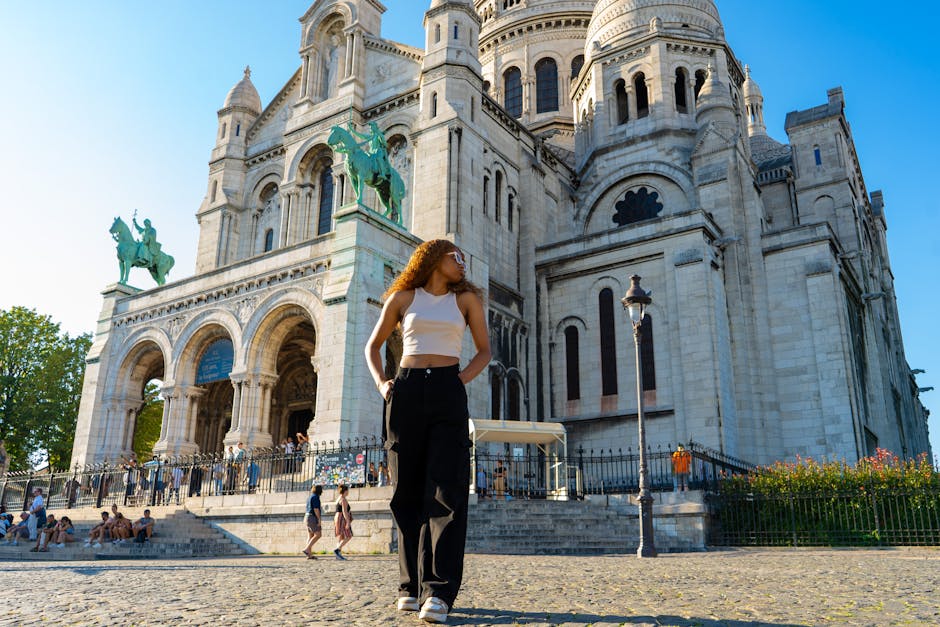
Most wide leg pants bought on impulse end up in the back of a wardrobe within six months. Not because the trend faded, but because the buyer skipped three decisions that determine whether wide leg pants work on their body, in their city, for their actual life. This guide covers those decisions in order.
Wide Leg vs Palazzo Pants — They Are Not the Same Cut
Indian e-commerce listings use “wide leg” and “palazzo” interchangeably. They are not the same garment. Ordering without knowing the difference means receiving pants that look completely different from the reference image that prompted the purchase.
The four main silhouettes compared:
| Style | Leg Opening at Hem | Typical Rise | Common Fabrics | Best For |
|---|---|---|---|---|
| Wide Leg | 20–24 inches | High (10–12 inches) | Denim, twill, crepe, linen | Office, smart casual, evening |
| Palazzo | 30–40 inches | Mid or elastic waist | Georgette, chiffon, rayon | Casual, fusion kurta looks, beach |
| Flared | 18–22 inches, flares below knee | Mid or high | Denim, corduroy | Retro styling, taller frames |
| Culottes | Wide but cropped (hits calf) | High | Cotton, linen, polyester | Petite frames, summer casual |
True wide leg pants maintain a consistent width from hip to hem — they do not flare dramatically at the bottom like palazzos do. If a listing shows flowing, floaty fabric with an elastic waist, that is a palazzo regardless of what the product title says. Structured wide leg pants use denim, crepe, twill, or linen to hold their shape.
The Zara High-Rise Wide Leg Trousers (₹3,990) are a textbook structured wide leg cut. H&M’s Wide Leg Trousers (₹1,799) fall into the same category. FabIndia’s Cotton Palazzo Pants (₹1,490) are technically a palazzo — useful and comfortable, but a different silhouette entirely. When searching on Myntra or Nykaa Fashion, filter by “high waist” and “full length,” then check the corner of the hem in the product image. A hem that fans out dramatically is a palazzo. A hem that falls straight and wide is a wide leg.
The Fabric Decision That Determines Whether You Actually Wear These
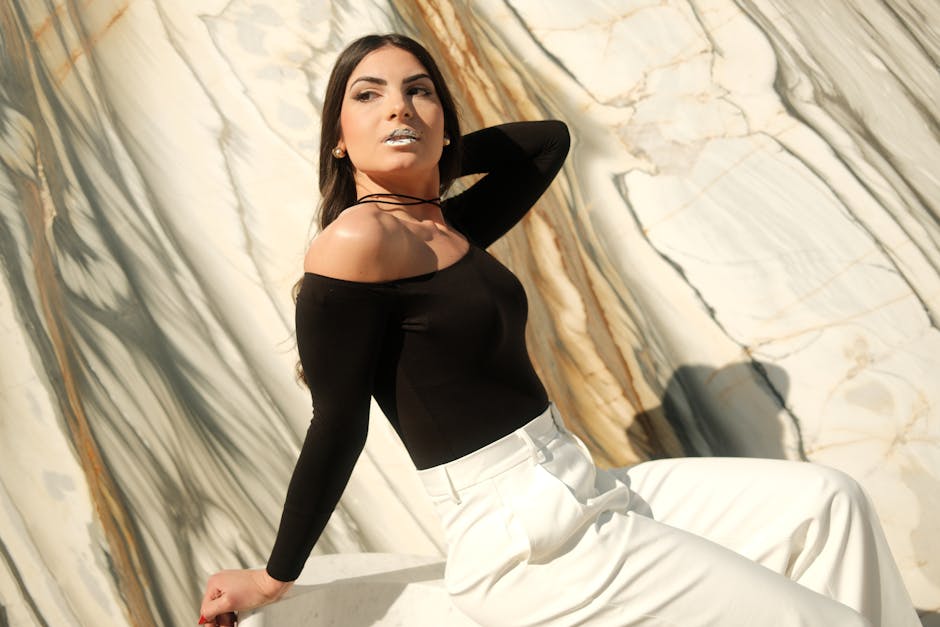
India has eight to nine months of heat in most cities. Wide leg pants in the wrong fabric become uncomfortable between March and October — which is most of the year. Beyond comfort, the wrong fabric also collapses the silhouette and makes even well-cut trousers look shapeless within an hour.
Fabrics That Actually Work in Indian Heat
Cotton and cotton blends at 120–160 GSM are the correct baseline for Indian summers. They breathe, press cleanly, and hold the wide leg shape without clinging to the legs. 100% cotton twill from W for Woman (₹1,299–₹1,899) maintains structure after repeated washing better than viscose or rayon, which droop at the inner thigh after two or three washes. Cotton also presses out flat — important for office wear where creasing is more visible on wide silhouettes than on slim-cut trousers.
Linen is the premium choice for hot-climate dressing. It is genuinely the best option for Rajasthan, coastal Karnataka, Chennai, or any city where temperatures exceed 38°C regularly. Linen wide leg pants wrinkle — but they iron flat in two minutes, do not trap body heat, and soften with each wash rather than degrading. FabIndia’s Linen Wide Leg Pants (₹2,490) are consistently available and well-cut. The wrinkling concern that stops most people from buying linen disappears after one week of actual wear.
Cotton-modal blends deserve more attention in Indian markets. Modal adds softness and drape while the cotton maintains structure. AND Designs uses this blend across several of their trouser cuts. Comfortable enough for a full Delhi summer day indoors, structured enough for a client meeting.
What to Avoid
Polyester blends above 60% polyester content are a problem in Indian heat. They do not breathe, they generate static, and they trap moisture in a way that becomes noticeable within an hour in outdoor conditions. Many fast-fashion listings skip declaring GSM or exact composition percentages. If the fabric content says “polyester blend” without specifying percentages, assume it runs hot and avoid for anything other than fully air-conditioned indoor use.
Georgette and chiffon do not hold structure. They collapse around the legs and read as palazzo regardless of the cut. If you want structured, tailored-looking wide leg pants for an office setting, skip these entirely. The same applies to 100% rayon — it photographs like cotton in product listings but loses its shape fast and develops a greasy sheen with ironing that ages the garment quickly.
Denim Wide Leg Pants — A Separate Calculation
Wide leg denim works year-round in air-conditioned offices and is excellent for evenings between October and February. The Mango Straight Wide Leg Jeans (₹4,999 on Myntra) come in mid-weight 10–11 oz denim that holds its shape through a full workday. Stretch denim with 2–3% elastane maintains structure better than rigid 100% cotton denim — the latter bags at the knees and seat by afternoon, especially in a wide leg cut where more fabric moves with each step.
Outdoor denim above 35°C is genuinely uncomfortable. Treat wide leg denim as an October-to-February staple in most Indian cities, not a year-round solution. Any wide leg denim priced under ₹999 almost certainly will not hold its shape past three months of regular wear — the seam tension on budget denim loosens quickly because of the volume of fabric in a wide cut.
A Four-Step Styling Method Built for Indian Wardrobes
The silhouette works across body types when proportioned correctly. Most available styling advice is written for Western wardrobes and ignores how wide leg pants interact with Indian clothing — specifically kurtis, Indian tops, and fusion occasion wear. These four steps address that gap.
- Balance the volume with a fitted top. Wide leg pants carry visual weight at the bottom. A loose or oversized top doubles the bulk and reads as shapeless. Fitted crop tops, tucked-in blouses, or a snug kurta ending above the hip create the proportion that makes the silhouette work. The AND Designs Fitted Ribbed Top (₹799) or a basic white button-down tucked at the natural waist are the simplest starting points.
- Fix the hemline before anything else. Wide leg pants should graze the floor or break cleanly at the ankle. Pants that end mid-calf cut the leg at its widest visual point and shorten the silhouette entirely. Most off-the-rack wide leg pants in India are cut for frames at 5’6″ and above. If you are under 5’4″, factor in a ₹150–₹300 tailor alteration before these are wearable. This step is not optional — it is the single most common reason wide leg pants end up abandoned.
- Add a belt at the natural waist when needed. A slim 1.5–2 inch belt at the true waist separates the top from the trouser visually and reinforces the proportion that defines the look. Skip the belt if the pants already have a clearly structured waistband sitting at the natural waist. Use it when the waistband is elastic, or when the pants sit slightly lower than ideal.
- Adapt the styling for Indian occasions specifically. Wide leg trousers pair cleanly with short kurtis ending at the hip, angrakha tops, and straight-cut embroidered blouses. A neutral wide leg trouser — black, beige, or off-white — with a printed short kurti is practical for Indian office environments and casual festive settings. For mehendi ceremonies or cocktail functions, wide leg pants in silk blends or brocade fabric, available from Biba (₹1,800–₹3,200) and Global Desi (₹1,999–₹3,500), worn with a heavily embellished top create a contemporary alternative to salwar sets — with genuine movement and a silhouette that photographs well.
Indian Brands Selling Wide Leg Pants Worth Buying
For everyday quality at mid-range prices, W for Woman and AND Designs consistently outperform fast-fashion imports. For structured premium cuts, Zara India and Mango are the most reliable. For budgets under ₹1,200, FabIndia and Libas are the only names worth trusting on fabric quality.
| Brand | Price Range | Fabric Quality | Fit Note | Verdict |
|---|---|---|---|---|
| Zara India | ₹3,490–₹5,990 | Strong — denim, twill, crepe | European sizing; size up one from usual | Best structured silhouette available in India |
| H&M India | ₹1,499–₹2,999 | Inconsistent — check composition before buying | Varies by style; try in-store when possible | Decent value; avoid blends above 60% polyester |
| Mango (Myntra) | ₹3,999–₹6,500 | Strong — especially the denim range | Generally true to size for Indian frames | Best wide leg denim option available in India |
| W for Woman | ₹1,299–₹2,299 | Reliable cotton and cotton-modal blends | Indian sizing; consistent across seasons | Best everyday option under ₹2,500 |
| AND Designs | ₹1,499–₹2,799 | Polyester crepe and cotton blends | Flatters shorter torsos well | Strong for office and smart casual |
| FabIndia | ₹1,290–₹2,490 | Strong — linen and handloom cotton | Relaxed, semi-structured fit | Best for summer and casual fusion wear |
| Libas (Myntra) | ₹799–₹1,499 | Rayon and cotton blends — variable | Loose Indian sizing; check measurements tab | Budget casual only; stick to cotton styles |
Myntra’s in-house private labels — Roadster and Here&Now — both list wide leg options that look clean in product photos but consistently use polyester blends that lose shape within a season. Not worth buying even at lower price points, because the cost-per-wear math collapses fast once the structure goes.
Three Fit Mistakes That Send Wide Leg Pants to the Back of the Wardrobe

The hemline is almost always wrong straight out of the packet. Pants cut for 5’6″ worn by someone at 5’2″ end up mid-calf — cutting the visual line of the leg at its widest point, shortening the silhouette, and eliminating the elongating effect that makes wide leg pants worth owning. A tailor alteration costs ₹150–₹300 and takes twenty minutes. Factor it into the purchase price before checking out, not after the pants arrive and look wrong.
The second mistake: sizing up in the waist for comfort. Wide leg pants carry all their volume in the leg — the waist needs to fit exactly. A loose waistband causes the trousers to sit lower than designed, the rise drops, and the whole proportion shifts. If the waist fits but the hips feel snug, that is likely a cut issue specific to the brand, not a size issue. Try a different brand before going up a size.
Third: pairing wide leg trousers with tops that end at the widest part of the leg, or oversized silhouettes that cover the waist entirely. The wide leg silhouette depends on a visible waistline for its structure. If the top obscures the waist, the outfit reads as a formless mass of fabric. Tuck the top in, or make sure it ends clearly at or above the hip bone — never at the point where the trouser flares widest.
Skip these three checks and the pants end up exactly where most impulse-bought wide leg trousers end up: unworn, pushed to the back of the wardrobe, waiting for a styling problem that was really a fit problem the whole time.
