
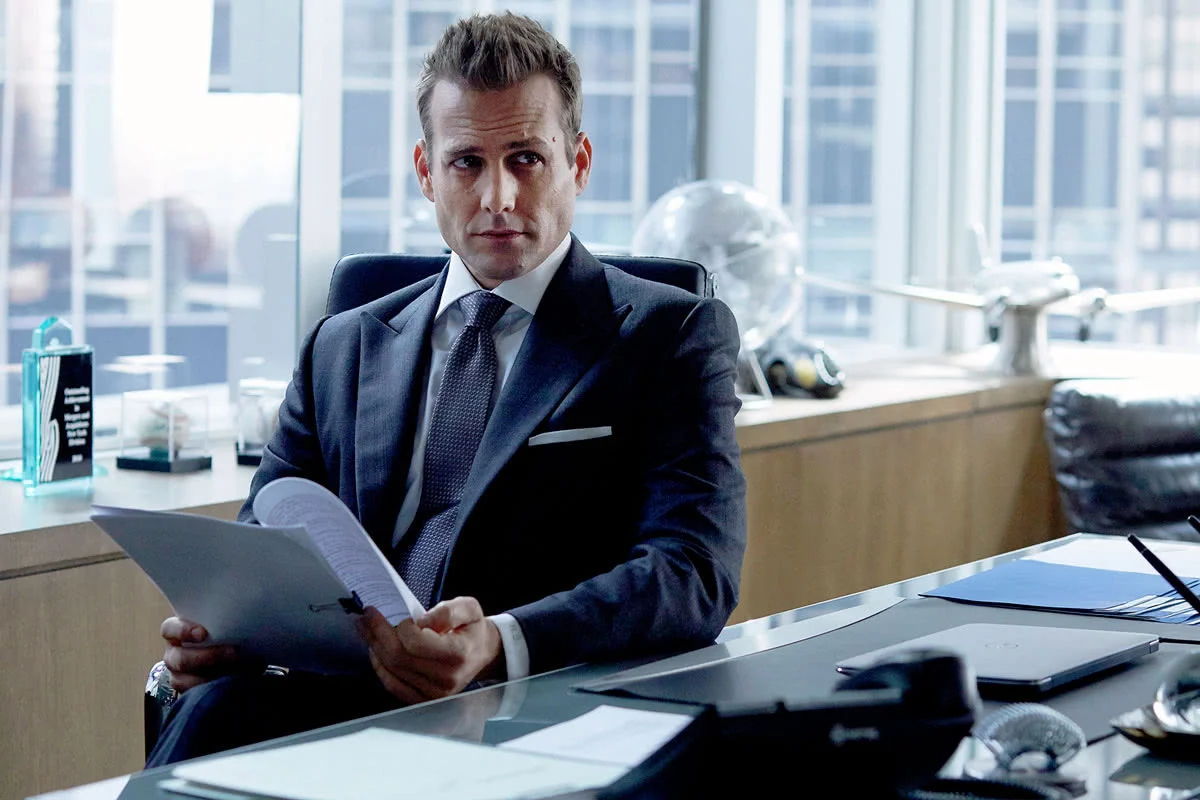
Have you ever walked out of a meeting knowing you nailed the content, but something felt off? I have. And it took me three years and a skipped promotion to realize the problem wasn’t my presentation skills. It was my hair.
Look, I’m not saying a bad hair day costs you a six-figure salary. But I am saying that after 12 years in corporate environments and consulting with hundreds of professionals on their personal brand, I’ve watched people lose credibility in under five seconds because of how their hair looked. And I’ve watched others walk into rooms and command respect before speaking a single word, purely because their hair communicated “I’ve got this.”
This isn’t about being vain. It’s about understanding that your hair is a non-verbal signal that either reinforces your competence or undermines it. Let me show you what I’ve learned.
Why Your Hair Costs You Respect (Even When You’re Right)
I used to think grooming advice was superficial. Then I sat on a hiring panel for a senior analyst role. Two candidates, identical qualifications. One had perfectly neat, professional hair. The other had hair that looked like they’d just rolled out of bed — not intentionally messy, just neglected. The hiring manager said, “I can’t trust this person with client presentations.” That was it. Decision made.
Here’s the psychology: people make snap judgments about your competence, attention to detail, and self-discipline based on your appearance — and hair is the most visible signal. A 2026 study in the Journal of Experimental Social Psychology found that people rated individuals with messy hair as 40% less competent than those with neat hair, even when shown identical resumes.
But here’s where it gets tricky. The “perfect” look changes by industry. In finance or law, conservative and polished wins. In creative fields, you need to look intentional, not lazy. The mistake most people make is copying what works for someone else without understanding the specific signal their industry expects.
The Three Signals Your Hair Sends at Work
- Attention to detail: Frizzy, uneven, or greasy hair says you don’t care about the small stuff. And if you don’t care about your appearance, why would you care about a spreadsheet?
- Self-regulation: Hair that’s consistently well-maintained signals you can manage your time, your budget, and your habits. It’s a proxy for executive function.
- Industry fit: The same hairstyle that makes you look like a leader at a tech startup will make you look like you don’t understand the dress code at a bank.
My verdict after years of watching this play out: If you’re in a client-facing role or any position where trust matters, your hair needs to look like you spent at least 10 minutes on it. Not an hour. But 10 minutes of intentional effort. That’s the baseline.
The 5 Hair Mistakes That Kill Your Credibility (And Exactly How to Fix Each One)
I’ve made every mistake on this list. Some of them cost me real opportunities. Here’s what I wish someone had told me.
1. The “I Gave Up” Frizz
Frizz isn’t a sign of bad hair. It’s a sign of bad moisture management. Your hair gets frizzy when it’s dry and the cuticle is open. This happens more in winter or dry offices.
Fix it: Use a leave-in conditioner with humectants. The Kérastase Discipline Fluidissime Anti-Frizz Spray ($42) works because it uses a polymer film that seals the cuticle without weighing hair down. Apply it to damp hair before blow-drying. If you’re on a budget, the Garnier Fructis Sleek & Shine Leave-In ($5.99) does 80% of the same job.
2. The Greasy Roots
You washed your hair this morning. By 2 PM, it looks like you didn’t. This happens because your scalp overproduces oil to compensate for stripping shampoos.
Fix it: Switch to a sulfate-free shampoo. I use Bumble and Bumble Sunday Shampoo ($28) once a week for a deep cleanse, and Living Proof Perfect Hair Day Dry Shampoo ($29) on day two. The dry shampoo goes on before the grease appears, not after. Apply it to clean hair at night, and it absorbs oil before it becomes visible.
3. The Unintentional Bedhead
This is the one that killed my promotion. I thought “messy but intentional” was a look. My boss thought it meant I didn’t respect the client meeting.
Fix it: If you want texture, use a product that gives you control. American Crew Fiber ($16) gives a matte finish with hold. Rub a pea-sized amount between your palms, work it through dry hair, and shape. The key word is “shape” — not “scrunch and hope.”
4. The Wrong Part
Your natural part might not be your most professional part. A deep side part reads as more formal and symmetrical. A center part reads as modern but can look severe on some face shapes.
Fix it: Test your part in natural light before you leave the house. A side part that’s too far over looks like you’re hiding something. A center part that’s too precise looks rigid. The sweet spot is about 60/40 — slightly off-center.
5. The Product Overload
Too much gel, wax, or oil makes your hair look wet or crunchy. Neither says “I’m a professional.” It says “I tried too hard.”
Fix it: Use less than you think you need. Start with a half-pump or a pea-sized amount. You can always add more. You cannot take product out without washing.
What Hair Products Actually Work for the Office (A Short, Brutally Honest List)
I’ve tried maybe 200 hair products over the past decade. Most are overpriced or overhyped. Here are the ones I keep buying — and why.
| Product | Price | Best For | Why It Works |
|---|---|---|---|
| Kérastase Discipline Bain Fluidealiste Shampoo | $36 | Frizz control, fine to medium hair | Contains a smoothing polymer that doesn’t strip natural oils. Hair stays sleek for 48 hours. |
| Living Proof Perfect Hair Day 5-in-1 Styling Treatment | $32 | Heat protection + style extension | One product replaces leave-in, heat protectant, and texture spray. Saves time. |
| American Crew Forming Cream | $18 | Short to medium hair, natural hold | Medium hold, low shine. Doesn’t flake. Works for both men and women with short cuts. |
| Oribe Dry Texturizing Spray | $48 | Volume and second-day hair | Expensive but unmatched. Gives volume without stiffness. One can lasts 4 months. |
| Pantene Pro-V Smooth & Sleek Conditioner | $6.49 | Budget-friendly smoothing | Contains the same smoothing silicones as high-end brands. No reason to spend more. |
My personal pick for most professionals: The Living Proof 5-in-1. It simplifies your morning routine, which is worth more than any single product benefit. You spend less time on hair, which means more time on your actual work.
When NOT to Follow the Rules (And When to Break Them on Purpose)
Here’s the nuance nobody talks about. Sometimes, the “wrong” hair is exactly right.
When to ignore conventional advice:
- Creative industries: If you work in design, fashion, or media, overly polished hair signals that you don’t understand the culture. In these spaces, intentional texture or unconventional cuts show you’re part of the tribe. The trick is intentionality — it has to look like you chose it, not like you gave up.
- When you’re already an expert: If you’re the most senior person in the room or a recognized authority, your hair matters less. People listen because of your reputation. But this only applies once you’ve earned that status. Don’t try it on day one.
- When your hair is part of your identity: Natural Black hair, locs, braids, or protective styles are professional. Full stop. The problem isn’t the style — it’s maintenance. Keep edges neat, keep hair moisturized, and don’t let it look unkempt. The SheaMoisture Jamaican Black Castor Oil Strengthen & Restore Edge Gel ($10) is my go-to for keeping edges smooth without flaking.
When to absolutely follow the rules:
- Job interviews (always)
- Client presentations (always)
- Your first 90 days in a new role (always)
- Performance reviews (always)
Here’s the framework I use: match the formality of the room, then add 10%. If everyone’s wearing jeans, you wear chinos. If everyone’s wearing chinos, you wear a blazer. If everyone’s hair is neat, yours needs to be slightly neater. That 10% signals that you care without looking like you’re trying too hard.
Your 10-Minute Morning Hair Routine (The Only One You Need)
I’ve distilled this down to the minimum effective dose. Do this every workday.
Minute 1-2: Wet hair in the shower. Don’t wash it every day — that strips oils. Just wet it and run your fingers through to reset the shape.
Minute 3-4: Apply a pea-sized amount of product. For most people, this means a leave-in conditioner or a lightweight cream. I use the Bumble and Bumble Hairdresser’s Invisible Oil Primer ($32) — it’s a pre-styling spray that detangles, protects from heat, and adds shine without grease.
Minute 5-7: Blow-dry on low heat. Focus on the roots first. Point the nozzle downward to smooth the cuticle. If you have curls, use a diffuser. If you have straight hair, use a round brush for volume at the crown.
Minute 8-9: Check your part. Adjust if needed. Run a comb through once to smooth flyaways.
Minute 10: Final check in natural light. Turn your head side to side. If you see any obvious unevenness or frizz, use a drop of argan oil on your palms and smooth it over the surface.
That’s it. Ten minutes. The difference between this routine and doing nothing is the difference between looking like you’re ready for the day and looking like you’re still in bed.
The Real Cost of Ignoring Your Hair (And What I’d Do Differently)
I want to be honest about something. I spent years thinking hair was superficial. I focused on my resume, my skills, my network. And I was right to focus on those things. But I was wrong to ignore the signal my hair was sending.
The skipped promotion I mentioned earlier? I found out later that the decision came down to “executive presence.” My boss literally said, “He’s brilliant, but he doesn’t look like a director yet.” The feedback was about how I carried myself, but the concrete example they gave was my hair. It was always messy. It looked like I didn’t care. And that perception overrode everything else.
I fixed it in one weekend. I got a proper haircut that worked with my face shape. I bought the right products. I committed to the 10-minute routine. Within a month, people started treating me differently. Colleagues asked if I’d lost weight (I hadn’t). Clients remembered my name. It was ridiculous and unfair, but it was real.
Here’s what I’d tell my younger self: Your hair isn’t about vanity. It’s about removing a barrier between you and the respect you deserve. You can be the most competent person in the room, but if your hair screams “I don’t care,” people will subconsciously assume you don’t care about the details. And in most careers, details are everything.
The category of “professional grooming” is evolving. More workplaces are accepting natural textures and personal expression. But the fundamental principle hasn’t changed: your appearance should be a tool that opens doors, not a liability that closes them. Spend 10 minutes a day making sure your hair is on your side. It’s the lowest-effort, highest-return investment you can make in your career.
