
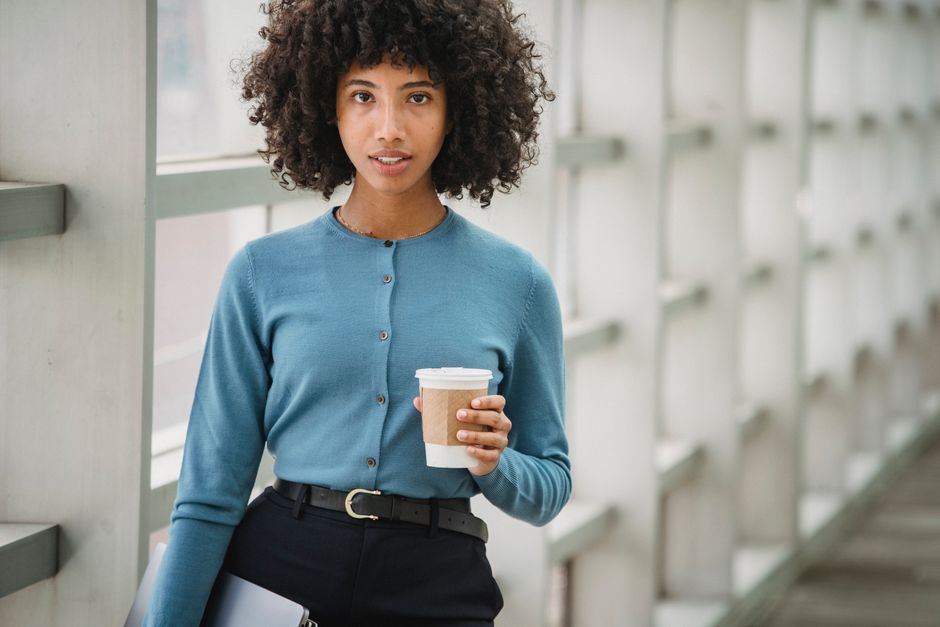
February interviews bring a tricky mix of cold weather, flat daylight, and cameras that make good clothes look dull. I have found that the winning outfit is less about a dramatic trend and more about controlled contrast, matte texture, and a clean shape around the face.
Which colors look strongest in grey February light?
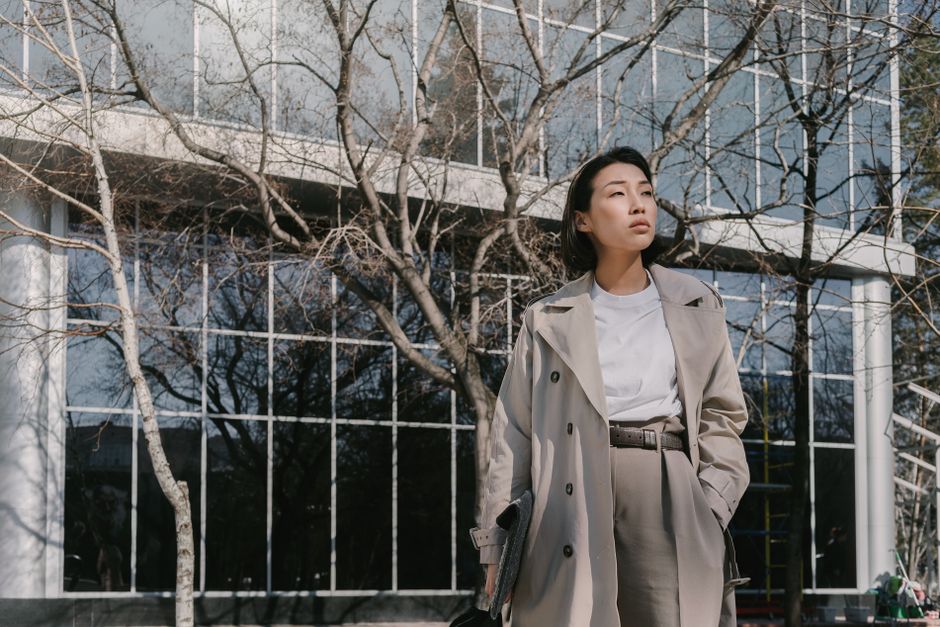
My clear color verdict is simple: choose one calm light color near your face and one deeper solid color around it. The table below shows how I rank common interview shades for cloudy daylight.
Use the lightest color near your face
Soft ivory, pale blue, muted lavender, and dusty rose usually photograph better than stark white. They lift the face without creating a blown-out patch on a bright window side. If your skin looks washed out in cool light, choose ivory or dusty rose instead of icy blue.
| Color | Best use | Camera result |
|---|---|---|
| Soft ivory | Blouse, fine knit, shirt | Brightens the face with less glare than white |
| Deep navy | Blazer, trousers, dress | Clear outline without the flatness of black |
| Burgundy | Blouse, knit, small accent | Adds warmth while staying professional |
| Medium grey | Suit, blazer, trousers | Works well when paired with ivory or blue |
| Black | Shoes, belt, structured jacket | Best in small areas, not head to toe |
Skip colors that collapse on camera
Very pale beige can blend into a light wall, while olive and yellow-green often turn muddy in cool daylight. Bright red can dominate the frame and make camera exposure shift. My pick for the safest polished palette is ivory, deep navy, and one warm accent such as burgundy.
How to build an interview outfit around the camera
Dress for the frame you will actually occupy. A waist-up video interview needs different priorities from a full-length office interview, even if both happen on the same February morning.
Follow this five-minute outfit formula
- Start with a matte top in ivory, pale blue, or muted rose.
- Add one structured layer with a shoulder seam that sits exactly at your shoulder.
- Keep the neckline open enough to show skin or a light shirt collar.
- Choose one simple earring, watch, or necklace instead of several small reflective pieces.
- Wear trousers or a skirt that lets you sit without pulling across the waist.
- Finish with shoes that feel stable because nervous foot movement can travel up your posture.
Check the seated silhouette
Sit in the exact chair you will use and take a phone photo from eye level. Look for fabric bunching under the chin, a blazer lapel that folds outward, or a neckline that disappears when you lean forward. A jacket that looks perfect while standing may create a bulky chest line once you sit.
Keep the shoulder line clean
Structured shoulders help the camera read your outline, but padding should never extend past your natural shoulder. A sleeve ending at the wrist shows intent; a sleeve covering half the hand makes even expensive tailoring look borrowed. For a February interview, a thin thermal layer under the outfit is better than an oversized sweater beneath a tight jacket.
My best product picks for polished February layers
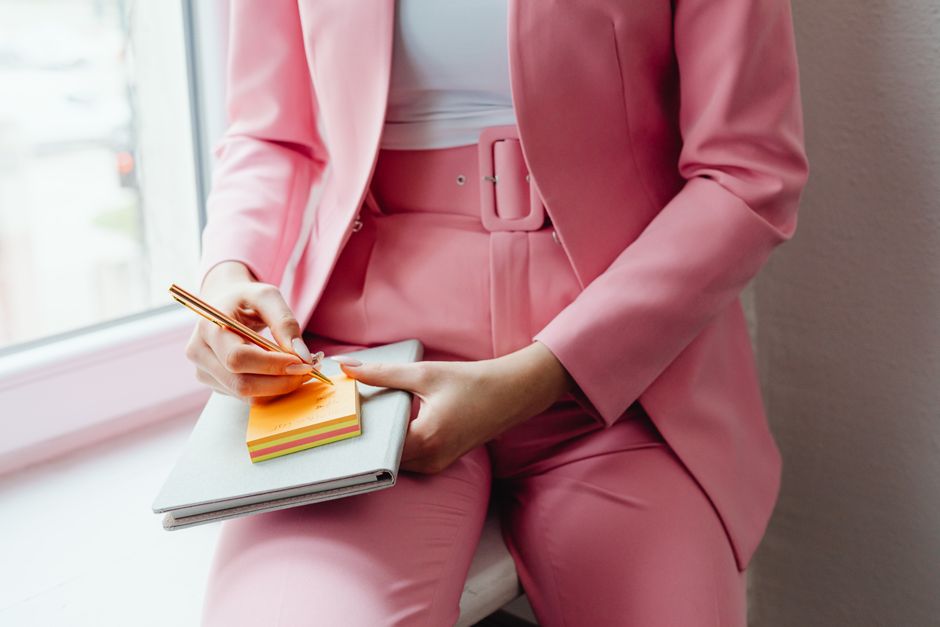
My winner is a medium-grey or deep-navy blazer over a soft ivory blouse. That combination handles flat daylight, office lighting, and video compression better than a black suit or a busy printed dress.
Best affordable blouse: UNIQLO Rayon Blouse
I prefer the ivory version for grey light because it gives the face a soft lift without the glare of a bright white poplin shirt. The fabric also resists obvious creasing better than many inexpensive cotton shirts. Wear it tucked into tailored trousers, but check the neckline before sitting because a loose collar can spread under a blazer.
Best serious blazer: COS Waisted Tailored Wool Blazer
It gives the clearest waist and shoulder shape of the options I checked. Choose carbon or deep navy rather than black. This is the right purchase for a final-round interview or a senior role where the jacket needs to look structured in both photos and person.
Best lower-cost tailoring option: COS Structured Wool-Blend Blazer
It has enough weight to hold a clean lapel but does not look stiff. Pair it with the UNIQLO blouse and plain trousers.
What not to buy for a grey-light interview
Do not buy an outfit for the interview camera that only works in a mirror. The most common mistakes are low contrast, excessive shine, and a fit that fails when seated. Test the full outfit before removing tags.
Common purchase mistakes
| Mistake | What goes wrong | Better choice |
|---|---|---|
| Head-to-toe black | Hair, jacket, and background merge into one dark block | Use navy, charcoal, or ivory near the face |
| Glossy satin blouse | Window light creates bright patches and folds | Choose matte crepe, rayon, cotton, or fine wool |
| Tiny high-contrast print | Camera compression creates flicker and visual noise | Wear a solid or large-scale pattern |
| Oversized blazer | Shoulders look sloped and the body loses shape | Choose a regular or lightly shaped fit |
| New shoes on interview day | Discomfort changes posture and walking speed | Break them in for at least two short walks |
When not to buy the expensive blazer
Do not buy the COS wool blazer if the shoulders need major alteration, if you only attend casual interviews, or if the fabric makes you overheat indoors. A cheaper jacket with correct shoulders will photograph better than a luxury jacket that pulls at the buttons. Fit is the purchase decision; brand comes second.
Should you wear a dress, suit, or separates?
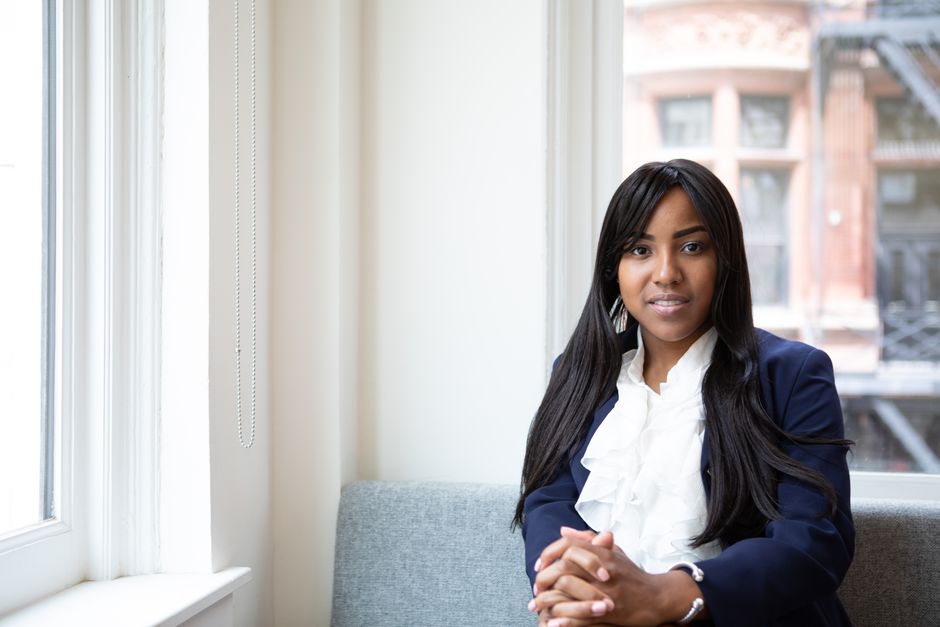
Separates are my first choice because they give you more control over contrast and temperature. A dress can work, but only when the neckline and shoulder line stay neat while seated.
Is a dress professional enough for a February interview?
Yes, if it has a defined shoulder, a matte finish, and a hem that stays below the knee when you sit. A solid deep navy or burgundy dress photographs better than a small floral print. Add a medium-weight blazer if the dress fabric is thin or the office feels formal.
Are trousers better than a skirt on video?
Trousers are usually easier because they remove questions about hem placement and crossed legs. Choose a straight or softly wide leg with a crease that survives sitting. Avoid very fluid trousers if your chair is low; the fabric can pool around the waist and make the jacket look too short.
When should you skip a blazer?
Skip it for a creative workplace where tailoring would look unlike you, or when the blazer forces too many layers for a warm indoor room. Replace it with a fine-gauge crew-neck knit over an ivory shirt. Keep the knit smooth, the neckline clear, and the color deeper than the shirt. The goal is a readable outline, not a costume.
How to test the outfit before interview morning
A camera test takes ten minutes and catches more problems than another shopping trip. Use the actual room, chair, laptop, and window position if possible.
Run this simple grey-light check
- Put the chair about three feet from the window, with your face turned slightly toward the light.
- Record a thirty-second answer while wearing the complete outfit.
- Pause the recording and inspect your face, collar, shoulders, and lapels.
- Move the camera to eye level; a low camera makes jackets and necklines look heavier.
- Check the background for a color that competes with your blazer.
- Stand up and sit down once to see if the hem, waistband, or shirt collar shifts.
Fix the image before buying another item
If the outfit looks dull, add light by facing the window or placing a lamp behind the camera. If one side of your face is blue, close the curtain slightly rather than adding a brighter shirt. If the shoulders look soft, improve the camera height and posture before replacing the jacket. Small changes often solve problems that shoppers blame on the clothes.
The most reliable February interview outfit is an ivory matte top, a deep navy or medium-grey structured layer, simple trousers, and comfortable polished shoes tested on camera before the interview.
