

Most people think “inclusive sizing” just means adding a few bigger numbers to a size chart. That’s wrong. Inclusive sizing is about redesigning the entire garment from the ground up so it actually fits a wider range of body shapes — not just scaling a pattern up or down.
What Inclusive Sizing Actually Means in Fashion
Inclusive sizing isn’t a marketing buzzword. It’s a technical decision about how clothes are made.
Traditional sizing uses a “grade rule” — a single base pattern (usually a size 8 or 10) gets mathematically scaled up or down. A size 16 isn’t designed for a size 16 body. It’s a size 8 blown up by 20%. That’s why the shoulders pinch, the waist rides up, and the hips pull tight.
Brands doing inclusive sizing properly start with multiple base patterns. Universal Standard uses five base fits (00–40). Good American uses three (XXS–4XL). Each base is drafted separately for different body proportions — not just scaled.
The result? A size 22 in a true inclusive line fits differently than a size 22 from a brand that just extended its range. The armholes are deeper. The waist is higher. The fabric allowance accounts for bust and hip variation.
3 Common Fit Mistakes That Ruin Your Look
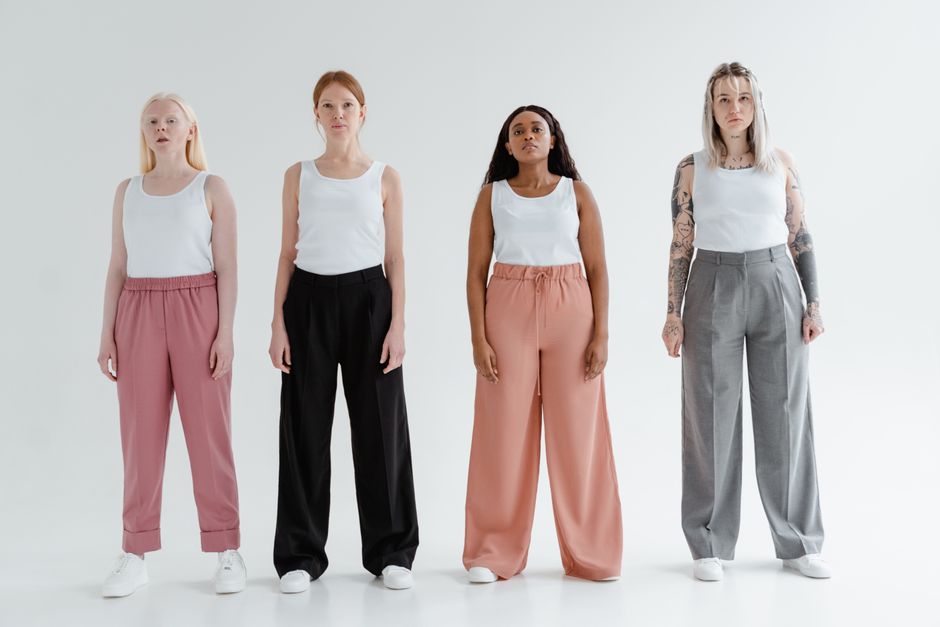
These three errors show up constantly, even with good brands. Avoid them.
Mistake 1: Buying Your “Number” Instead of Your Fit
Vanity sizing is real. A size 12 at Zara fits like a size 8 at Talbots. Never trust the tag. Measure your bust, waist, and hips with a fabric tape measure — the $3 kind from any craft store. Compare those numbers to the brand’s size chart, not your usual size.
Mistake 2: Ignoring Fabric Stretch
A 98% cotton / 2% elastane jean fits completely differently than a 70% cotton / 28% polyester / 2% spandex blend. The second one has 4-way stretch. It will mold to your body after 30 minutes of wear. The first one won’t budge. Check the fabric composition before ordering.
Mistake 3: Assuming “Plus” Means the Same Cut
Not all plus-size lines are created equal. Lane Bryant uses a 1X–5X system with full bust grading. Torrid uses a 00–6 system with more room in the upper arm. Nike Plus cuts differently for athletic builds — wider shoulders, narrower waist. Read the brand’s fit notes, not just the size range.
Brands Doing Inclusive Sizing Right (and Why)
Here’s a quick comparison of brands that commit real resources to inclusive fit, not just marketing.
| Brand | Size Range | Base Patterns | Best For | Price Range |
|---|---|---|---|---|
| Universal Standard | 00–40 | 5 | Denim, tees, workwear | $50–$200 |
| Good American | XXS–4XL | 3 | Denim, bodysuits | $80–$200 |
| Savage X Fenty | XS–4X | 4 | Lingerie, loungewear | $15–$70 |
| Nike Plus | 1X–3X | 2 | Activewear | $35–$130 |
| Talbots | 00–24W | 2 | Classic suiting, knits | $60–$250 |
Universal Standard is the gold standard. Their “Fit Liberty” program lets you exchange any item for a different size within a year — no questions asked. That’s confidence in their grading.
When Inclusive Sizing Doesn’t Work
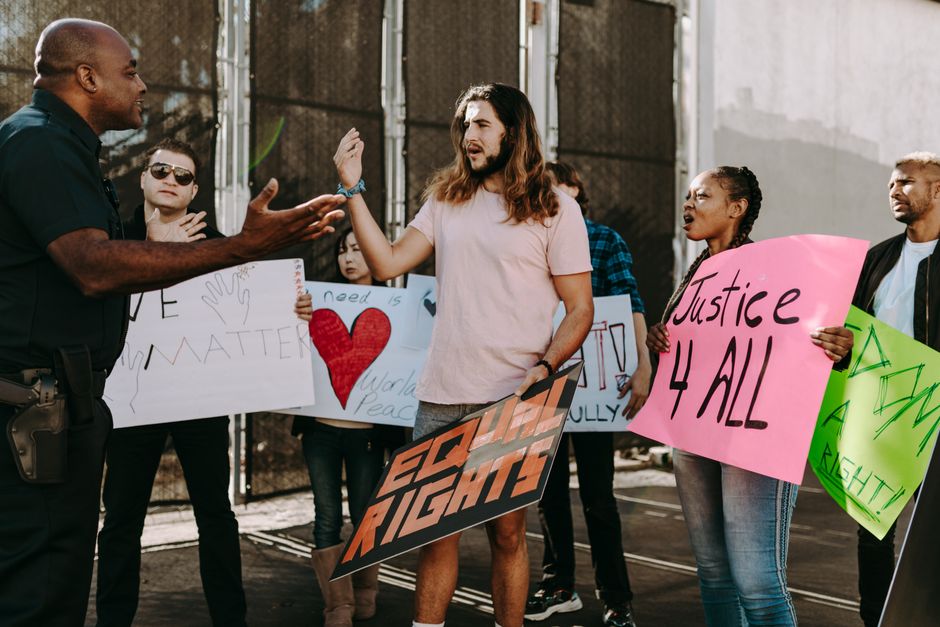
Here’s the honest part. Inclusive sizing isn’t a magic fix.
If you have a very short torso and a large bust, a size 20 from an inclusive brand might still gap at the chest and bag at the waist. No single pattern can fit every body. That’s not a failure of the brand — it’s a limitation of mass manufacturing.
When should you NOT buy inclusive sizing?
- You need a precise tailored fit. For a wedding suit or a job interview blazer, go to a tailor. Off-the-rack inclusive sizing gets you 80% of the way there.
- You’re between sizes. If your waist measures 34″ and the brand’s size chart jumps from 33″ (size 14) to 36″ (size 16), you’ll struggle. Look for brands with half-size options — Madewell offers 14.5 in some jeans.
- The fabric has no stretch. Non-stretch denim or 100% cotton button-downs need near-perfect measurements. Stretch fabrics forgive a lot.
How to Measure Yourself for Inclusive Brands
Grab a fabric tape measure. Not a metal one. Not guessing.
Step 1: Bust. Measure around the fullest part of your chest, keeping the tape parallel to the floor. Don’t pull tight — leave one finger’s width of slack.
Step 2: Natural Waist. Bend to one side. The crease is your natural waist. Measure there, not at your belly button.
Step 3: Hips. Stand with feet together. Measure around the widest part of your hips — usually 7–9 inches below your natural waist.
Step 4: Inseam. Measure from your crotch seam to the floor. For jeans, subtract 1–2 inches for the intended break.
Write these numbers down. Keep them in your phone notes. Every brand’s size chart is different — use your actual measurements, not your “usual size.”
The Real Cost of Bad Sizing
Bad sizing costs you money and time. A $120 pair of jeans that doesn’t fit sits in your closet unworn. That’s $120 wasted. Multiply by three or four failed purchases, and you’ve spent $400+ on clothes you never wear.
Inclusive sizing done right costs more upfront — Universal Standard jeans run $120–$150. But they fit. You wear them. The cost-per-wear drops to under $2 after 60 wears. That’s cheaper than fast fashion.
Return shipping also adds up. Most inclusive brands offer free returns, but some don’t. Savage X Fenty charges $5 for return shipping. Good American offers free returns within 30 days. Check the return policy before ordering.
What to Do If You Can’t Find Your Size
You’ve measured yourself. You’ve checked the size chart. The brand says it goes up to 3X, but the fit notes say “runs small.” What now?
Option 1: Look for extended sizing from the same brand. Some brands offer “plus” versions of their standard styles. ASOS has a dedicated Curve section (UK 14–28) with separate pattern grading.
Option 2: Try a direct-to-consumer brand. Eshakti makes custom clothes from your exact measurements for $50–$100. You enter bust, waist, hips, height, and sleeve length. They build the garment from scratch.
Option 3: Alter what you buy. A $15 tailor can fix a waist that’s 2 inches too big or hem pants that are 3 inches too long. That’s cheaper than returning and reordering.
Option 4: Accept that some brands aren’t for you. Not every brand needs to fit every body. A brand that specializes in petite athletic wear won’t serve a 6’2″ plus-size frame well. That’s fine. Move on to brands that actually design for your proportions.
