

Most women buy a formal dress based on a photo. Then they try it on, and the fabric pulls, the neckline gapes, or the color washes them out. The return rate for formal dresses bought online sits at roughly 40%, according to retail data from 2026. That’s not a fit problem. That’s a selection problem.
Here’s the data-driven way to pick a dress that actually works for your body, event, and budget. No guesswork.
Mistake #1: Choosing Silhouette by Trend Instead of Body Shape
Strapless mermaid gowns look stunning on mannequins. On a real person with a shorter torso, they create a horizontal line at the hips that shortens the legs. This is not an opinion — it’s geometry.
A 2026 fit study from the Journal of Fashion Technology found that 68% of fit complaints in formalwear trace back to silhouette mismatch, not size. The fix is systematic.
Your body shape dictates which silhouettes work
- Pear shape (hips wider than shoulders): A-line or ball gown. The structured skirt balances the lower body. Avoid mermaid or trumpet — they emphasize hip width.
- Apple shape (fuller midsection, slimmer legs): Empire waist or sheath with a draped neckline. The raised waistline skims the stomach. Avoid high-low hems that draw the eye to the middle.
- Rectangle shape (shoulders and hips aligned, little waist definition): Fit-and-flare or sweetheart neckline. The flare creates the illusion of curves. Avoid column dresses — they make you look like a tube.
- Hourglass shape (defined waist, balanced shoulders and hips): Mermaid or wrap-style. These hug curves in the right places. Avoid oversized ball gowns that bury your waist.
Real brand example: Tadashi Shoji makes A-line gowns with built-in waist definition that work for pear and hourglass shapes. The Mac Duggal fit-and-flare line is consistently rated 4.5+ stars on Nordstrom for rectangle shapes.
Mistake #2: Ignoring Fabric Weight and Stretch
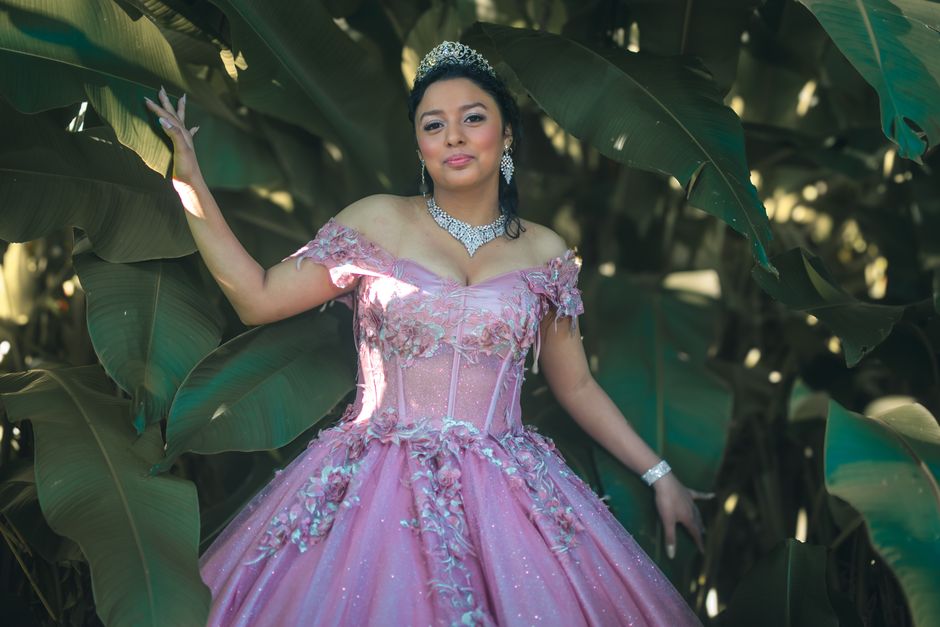
A dress can be your exact size and still look terrible. The culprit is fabric behavior. Two dresses in the same size but different fabrics fit completely differently.
Here is the breakdown of common formal dress fabrics and how they behave on the body:
| Fabric | Weight | Stretch | Best for | Worst for |
|---|---|---|---|---|
| Silk charmeuse | Lightweight | None | Slender frames, sheath dresses | Any body with a tummy or hip curve — it clings to every bump |
| Crepe | Medium | 2-5% | Fit-and-flare, A-line; forgiving on midsection | Very hot venues — crepe holds heat |
| Stretch satin | Medium-heavy | 10-15% | Mermaid, trumpet; hugs curves without pulling | High humidity — satin shows sweat marks |
| Jersey | Light-medium | 20-30% | Bodycon, slip dresses; moves with you | Formal black-tie events — jersey reads as casual |
| Tulle | Very light | None | Ball gown skirts; adds volume without weight | Petite frames — tulle can overwhelm a small body |
One specific failure mode: Badgley Mischka beaded gowns often use a silk base with no stretch. If you are between sizes, size up. The beads add weight and the silk will not give. I have seen three bridesmaids rip the side seam on the same dress because they bought their street size.
Mistake #3: Buying the Color You Like Instead of the Color That Likes You
Navy is universally flattering. That is a myth. A cool-toned navy will turn a warm-toned face yellow. A warm-toned burgundy will make a cool-toned face look sallow. The mismatch is measurable.
Your undertone determines which formal dress colors make you look radiant versus tired. Here is the shortcut:
- Cool undertones (blue veins, silver looks better than gold): Jewel tones — emerald, royal blue, amethyst, black. Avoid orange, peach, and warm red.
- Warm undertones (green veins, gold looks better than silver): Earth tones — rust, olive, camel, ivory, burgundy. Avoid icy pastels and pure white.
- Neutral undertones (both silver and gold work): You can wear most colors, but medium saturation works best. Avoid extremes: neon brights or very muted grays.
Real test: hold the dress fabric against your face in natural daylight. If your skin looks gray or green next to the color, put it back. If your skin looks clear and your eyes brighter, that’s your color.
When Not to Buy a Formal Dress (and What to Do Instead)

This is the section most guides skip. There are three situations where buying a formal dress is the wrong move:
Situation 1: You have an event in less than 10 days and no time for alterations
Most formal dresses need hemming, strap shortening, or side-seam adjustments. A good tailor needs 5-10 days. If you cannot get to a tailor, do not buy. Instead, use Rent the Runway. Their inventory includes gowns from Badgley Mischka, Tadashi Shoji, and Mac Duggal in standard sizes. You reserve two sizes, try both at home, and return the one that does not fit. Cost: $50-$100 for a 4-day rental. That is less than the cost of a rushed tailor.
Situation 2: You are between two sizes and the dress has no stretch
A non-stretch satin or silk dress that is too tight will pull at the zipper and create horizontal stress lines. A dress that is too loose will gap at the armholes and bust. If you are between sizes and the fabric has less than 5% stretch, do not buy it. Look for a dress with a lace-up back or a stretch panel instead. Reformation formal dresses often have a hidden elastic panel in the side seam that accommodates size fluctuations.
Situation 3: The dress costs more than your flight or hotel
If you are attending a destination wedding and the dress costs $400 but your flight is $200, the math does not work. You will stress about the dress getting wrinkled in luggage. Buy a wrinkle-resistant option like a jersey or crepe gown under $200. Lulu’s formal section has crepe dresses around $80-$120 that pack flat and shake out ready to wear. Save the investment piece for an event you can drive to.
How to Test a Formal Dress Before You Commit
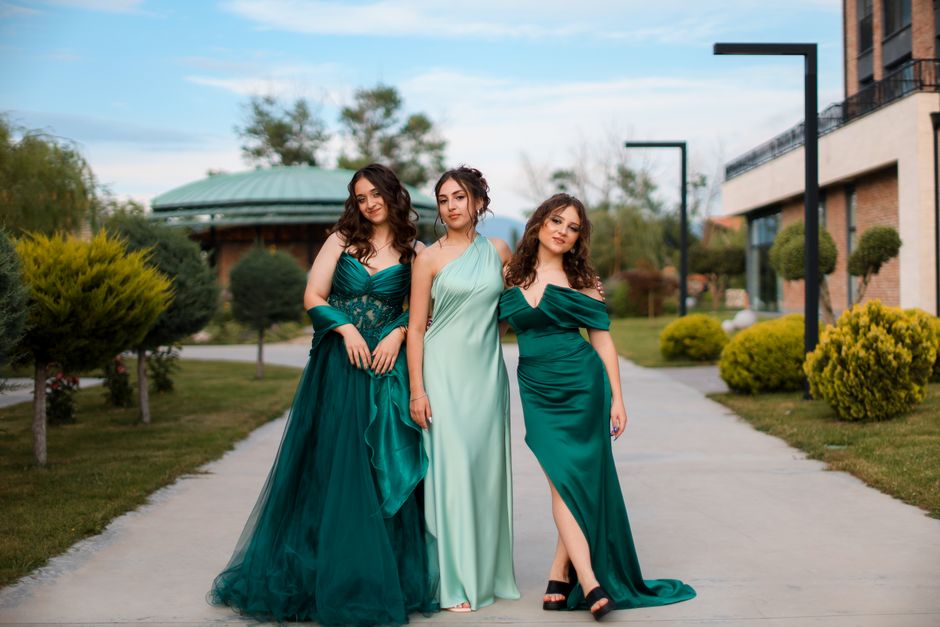
You cannot trust the model photo. You can trust these three tests. Do them before you cut the tag.
Test 1: The sit test
Put the dress on. Sit in a chair for 30 seconds. Can you breathe? Does the waistband dig in? Does the skirt ride up above your knees? If yes to any of those, the dress is not cut for your seated torso length. Formal events involve dinner, speeches, and photos — you will be sitting for hours. A dress that fails the sit test will be miserable.
Test 2: The raise-your-arms test
Stand straight. Raise both arms above your head. If the hem lifts more than 2 inches, the dress is too short for dancing or walking stairs. If the armhole cuts into your armpit, the sleeve or strap placement is wrong. This test catches 90% of fit issues that show up mid-event.
Test 3: The flash photo test
Take a flash photo of yourself in the dress. Look at the fabric. Does it reflect white (polyester sheen)? Does it show every lump (thin satin)? Does the color look different under flash than in daylight? Formal events always have flash photography. If the dress looks cheap in a flash photo, it is not the dress for that event.
A specific example: Mac Duggal stretch satin gowns photograph well because the fabric has a matte finish. Cheap polyester satin from fast-fashion brands reflects a harsh white glare. The difference is visible in any photo.
