
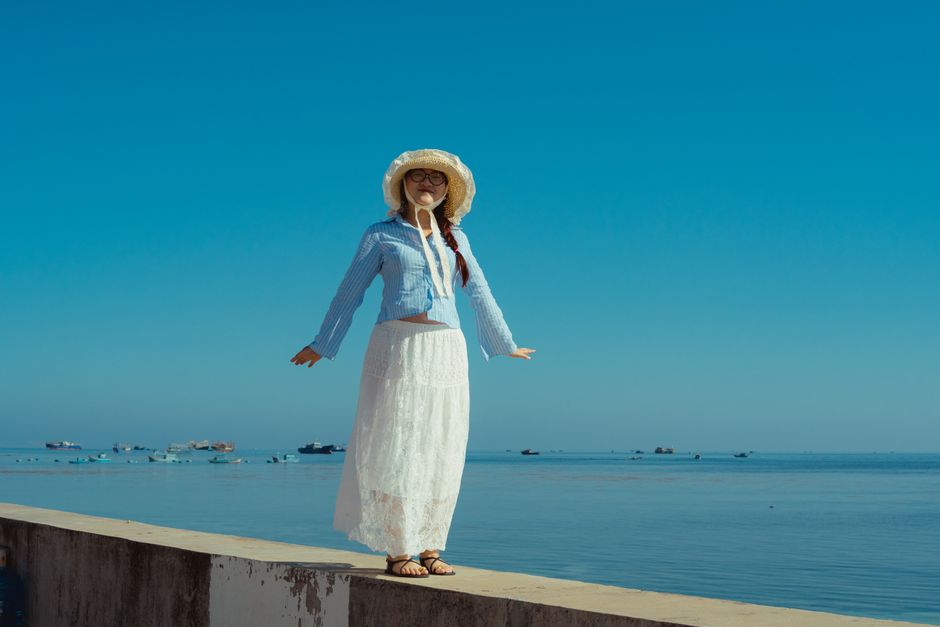
When the temperature hits 38°C, most people make the same mistake. They wear less fabric and expect that to fix everything. A tank top and shorts might feel like the obvious choice, but here’s the problem: synthetic blends trap heat against your skin, and the wrong cut creates a sauna effect where air should be moving.
Your skin has roughly 2.6 million sweat glands. On a 40°C day, they can produce up to 1.5 liters of sweat per hour. The goal isn’t to stop sweating — it’s to let that sweat evaporate immediately. That’s physics, not fashion. And physics doesn’t care about your favorite polyester shirt.
These 7 rules are the difference between walking around in a personal microclimate and feeling like you’re wrapped in wet plastic. No fluff. Just what works.
Rule #1: Fabric Is Everything — Linen, Cotton, and the One Synthetic That Works
Let’s settle this fast. Linen wins. It’s not a debate.
Linen absorbs up to 20% of its weight in moisture before it feels damp. It dries faster than cotton. Its loose weave allows air to circulate freely. A 100% linen shirt from Uniqlo ($39.90) or Muji ($49.95) will keep you 3-4°C cooler than a cotton t-shirt of the same thickness. That’s measurable.
Cotton is second place. It breathes well, but once it’s wet, it stays wet. A cotton t-shirt soaked through takes 45 minutes to dry in still air. Linen does it in 20.
Here’s the curveball: one synthetic fabric works for heatwaves. Tencel lyocell (often sold under the brand name Tencel by Lenzing) is made from wood pulp. It wicks moisture better than cotton, dries faster, and has a natural cooling effect. Patagonia’s Capilene Cool Daily Shirt ($55) uses a blend that actually feels cold to the touch when you first put it on. It’s the exception, not the rule.
What to avoid: Polyester, nylon, acrylic. These fabrics trap heat and hold odor. A polyester shirt in a heatwave is a biohazard after 2 hours.
Rule #2: The Cut Creates the Breeze — Loose, Long, and Unstructured
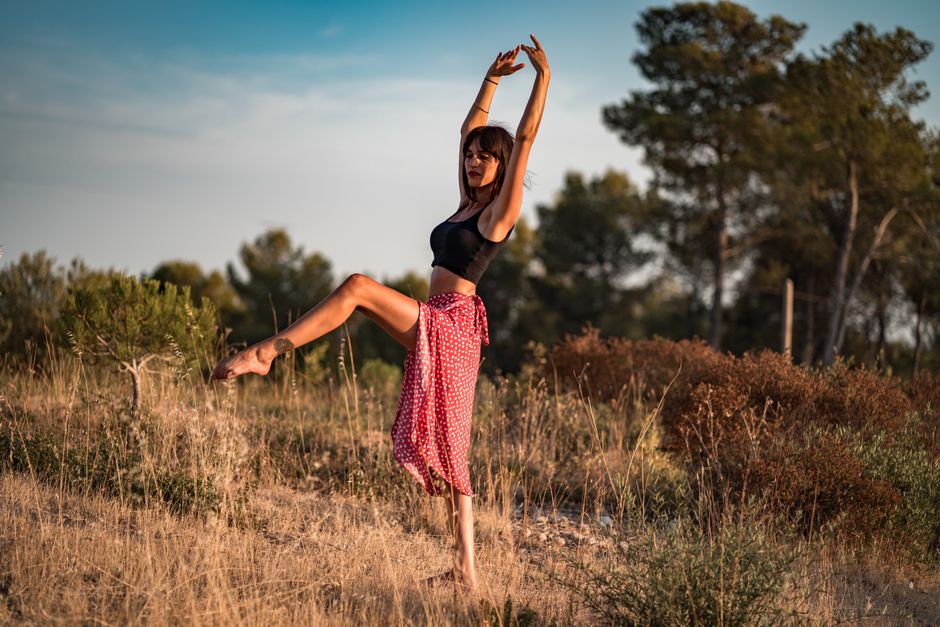
This is where most people get it backwards. They think “less fabric = cooler.” But a tight tank top traps sweat against your torso. A loose, long-sleeved linen shirt creates airflow.
The mechanism is simple: air moves across your skin and carries heat away. That requires space between fabric and skin. A garment that’s 2 inches wider than your chest measurement will have 40% more surface area for evaporation.
Three specific cuts that work:
- Camp collar shirts — open neckline, loose fit. The Uniqlo Linen Camp Shirt ($39.90) is the gold standard for under $50.
- Wide-leg trousers — not skinny jeans. A 7.5-inch leg opening vs. a 5.5-inch opening makes a 3°C difference in perceived temperature. Muji’s Linen Wide Pants ($59.95) are a good entry point.
- Long shorts (7-9 inch inseam) — not 5-inch running shorts. Longer shorts prevent thigh chafing and allow air to travel up the leg. Patagonia Baggies Longs ($65) are the standard here.
One hard rule: if you can see the outline of your body through the fabric, it’s too tight.
Rule #3: Color Science — Why Black Is a Bad Idea (and White Isn’t Always Best)
Everyone knows black absorbs heat. But the difference is bigger than you think.
A black cotton t-shirt in direct sunlight can reach 65°C surface temperature. A white one of the same fabric hits 40°C. That’s a 25°C difference on your skin.
But here’s the nuance: white isn’t always the answer. Light pastels — pale blue, soft pink, mint green — reflect almost as much light as white (within 5-8%) and don’t show sweat stains as obviously. Light grey is a terrible choice for heatwaves because it shows sweat immediately and reflects less light than white or pastels.
Best colors for heatwave outfits, ranked:
| Color | Heat Reflection | Sweat Visibility | Best Use |
|---|---|---|---|
| White | 85-90% | Low (but visible when wet) | Formal shirts, t-shirts |
| Pale blue | 78-83% | Very low | Linen shirts, button-downs |
| Mint green | 75-80% | Very low | Casual shirts, shorts |
| Beige/cream | 70-75% | Low | Pants, jackets |
| Light grey | 60-65% | High | Avoid in heatwaves |
| Black | 5-10% | Very low | Evening only, if at all |
Rule #4: The Two-Item System — What to Wear When You Have to Look Presentable
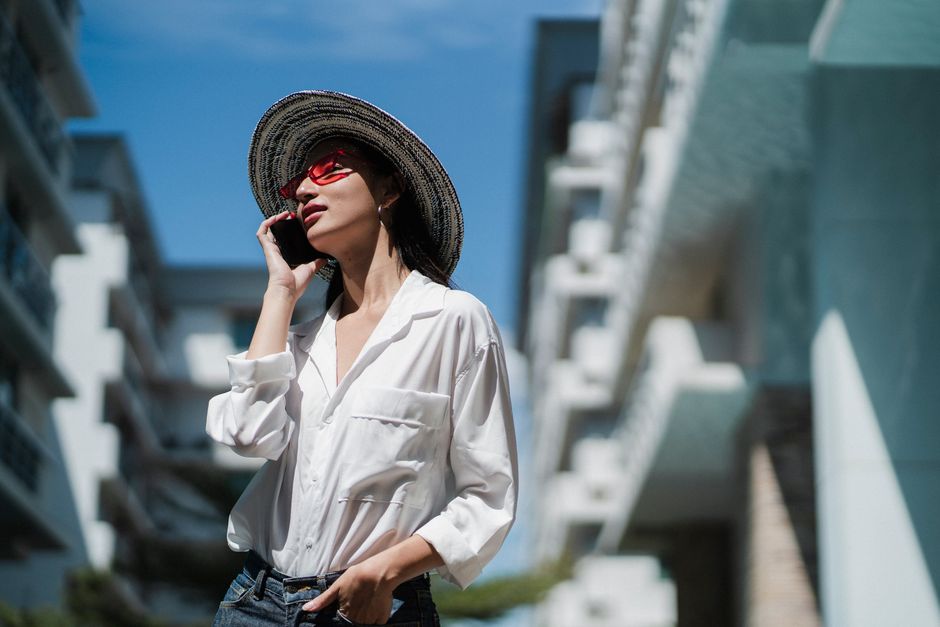
You can’t show up to a client meeting in board shorts and a tank top. But you also can’t survive in a wool suit. Here’s the compromise.
The system: one structured item + one breathable item.
Option A: Linen blazer + cotton t-shirt. A linen blazer from Uniqlo ($79.90) is unstructured, unlined, and weighs about 300 grams. Over a white cotton t-shirt, it looks intentional. Pair with wide-leg trousers in beige or cream. The blazer provides structure for the meeting. The t-shirt keeps you from overheating.
Option B: Linen button-down + shorts. A full-length linen shirt tucked into tailored shorts. The shirt provides the formality. The shorts provide the airflow. Works for dinners, dates, and casual offices. Muji’s Linen Button-Down ($49.95) in pale blue is the move.
Option C: Seersucker suit. Seersucker is a cotton fabric with a puckered weave that keeps fabric off your skin. A full seersucker suit from J.Crew ($398) is expensive but worth it if you work in a suit. The air gap between fabric and skin is about 2mm — enough to create continuous airflow.
The rule: never wear more than one heavy fabric. If the blazer is structured, the shirt and pants must be light. If the pants are denim (which you shouldn’t wear in a heatwave, but I know you will), everything above must be linen or cotton.
Rule #5: Footwear — The Heat Escapes Through Your Feet
Your feet have more sweat glands per square inch than any other part of your body. About 250,000 sweat glands per foot. If your shoes don’t breathe, you’re trapping heat that has nowhere to go.
Three shoe types that work in a heatwave:
- Leather sandals — not rubber flip-flops. Leather breathes. Rubber traps sweat. Birkenstock Arizona ($135) in oiled leather is the standard. They last 10+ years.
- Espadrilles — canvas upper, jute sole. The jute wicks moisture away from the foot. Soludos Original Espadrilles ($45) are light enough to pack flat.
- Unlined leather loafers — no lining means the leather breathes directly. G.H. Bass Weejuns ($150) in unlined calfskin. Wear without socks.
What to avoid: Sneakers with thick foam soles. The foam traps heat. Your feet will be sweating within 30 minutes. Nike Air Force 1s are terrible for heatwaves. So are Yeezy 350s — the knit upper breathes, but the sole is a heat battery.
One pro tip: if you must wear sneakers, get ones with a mesh upper and a thin sole. Outlier’s Ultrahigh Mesh Sneakers ($180) are designed for exactly this — the mesh is open enough to see through, and the sole is 8mm of rubber.
Rule #6: The Accessory That Actually Works — Hats, Sunglasses, and the One Thing Nobody Thinks About
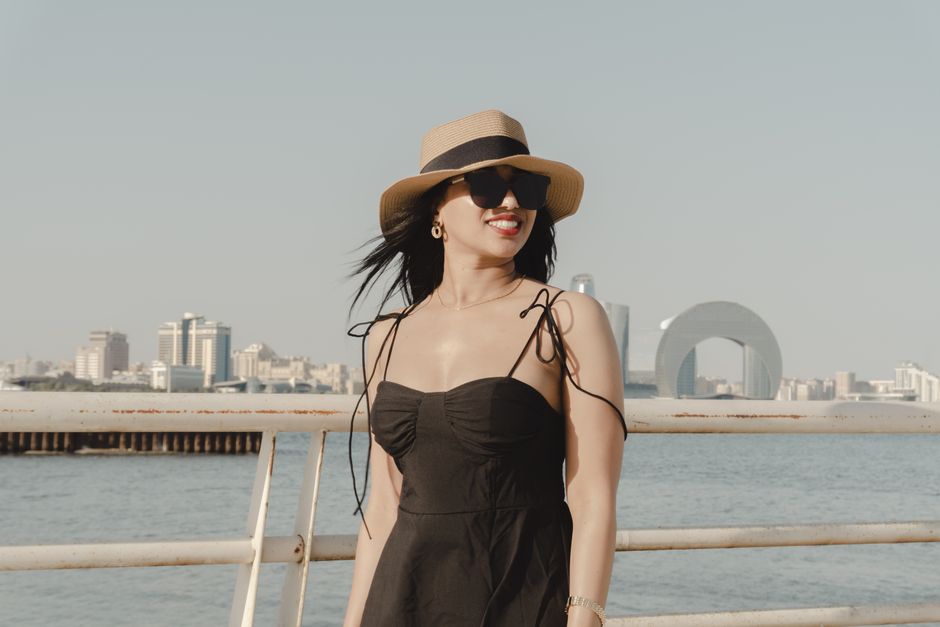
Most accessories in a heatwave are useless. A watch strap traps sweat. A belt creates a heat band around your waist. A hat, though? A good hat drops your head temperature by 5-8°C.
Panama hat — real Panama hats are woven from toquilla palm. The weave is so open that air passes through freely. A Montecristi Panama Hat ($120-300) is the real thing. Avoid the $20 synthetic versions — they don’t breathe.
Linen bucket hat — cheaper and more casual. Uniqlo’s Linen Bucket Hat ($29.90) is packable and breathable. Covers your neck and ears.
Sunglasses with polarized lenses — polarization cuts glare by 99%. Less squinting means less tension in your face, which means you feel cooler. Ray-Ban Wayfarer Polarized ($163) or Knockaround Premiums ($35) for a budget option.
Here’s the one thing nobody thinks about: a linen scarf or bandana. Wet it with cold water, wring it out, and wrap it around your neck. The carotid artery runs close to the skin there. Cooling that blood by 2°C drops your core temperature within 5 minutes. Muji sells a linen handkerchief ($7.95) that works perfectly for this.
Rule #7: The Laundry Secret That Doubles Your Cooling
This is the rule nobody talks about because it sounds ridiculous. But it works.
When you wash your clothes, skip the fabric softener. Fabric softener coats fibers in a waxy layer that reduces absorbency by up to 40%. A linen shirt washed with softener takes twice as long to dry and traps more heat against your skin.
Instead, use white vinegar — 1/2 cup in the rinse cycle. It removes detergent residue and restores the fabric’s natural wicking ability. Your clothes will feel noticeably cooler after the first wash.
Three more laundry rules for heatwave clothes:
- Air dry everything. Dryer heat damages the fibers and reduces breathability over time. Linen air-dried vs. machine-dried has a 15% difference in moisture wicking.
- Wash linen on cold, delicate cycle. Hot water shrinks linen by up to 5% per wash. That extra 5% of tightness is the difference between airflow and a sweat trap.
- Iron linen while damp. It’s easier and the heat sets the fibers into a shape that allows more air movement. Ironing dry linen flattens the weave and reduces breathability.
The best heatwave outfit isn’t about wearing less. It’s about wearing the right things in the right way. Linen, loose cuts, light colors, and shoes that let your feet breathe. That’s the entire system. Everything else is marketing.
