
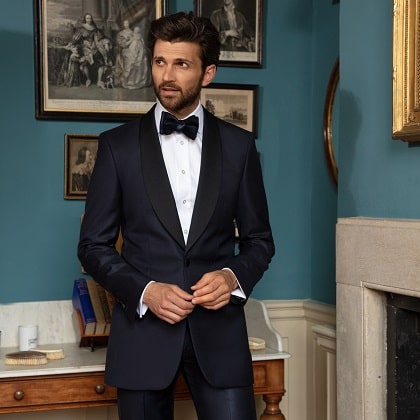
A 2026 survey by The Knot found that 42% of wedding guests stressed about the dress code more than the gift. That number jumps to 61% when the invitation says “creative black tie” or “festive attire.” The problem isn’t a lack of clothes — it’s a lack of translation. Event hosts use dress code terms like they’re universal. They aren’t.
This guide treats dress codes the way an insurance analyst treats policy fine print: with exact definitions, specific exclusions, and real examples of what works and what gets you flagged. No vague “dress to impress.” Here’s what each code actually demands.
Black Tie: The Formal Standard With Clear Rules
Black tie is the most commonly misunderstood formal dress code. It’s not “wear your best suit.” It’s a specific uniform with non-negotiable components.
For men: A black dinner jacket (tuxedo), matching trousers with a single satin stripe, a white pleated or pique-front shirt, a black bow tie (self-tie preferred), black patent leather oxfords or opera pumps, and black dress socks. Cummerbund or waistcoat is optional but expected for evening events after 6 PM.
For women: A floor-length evening gown. Knee-length cocktail dresses are not black tie. The exception is a dressy pantsuit made of silk, velvet, or satin — but it must read “evening,” not “office.”
The Three Exclusions Most People Miss
- No colored tuxedos. Navy or burgundy dinner jackets are not black tie. They’re “black tie optional” at best.
- No open collars. A tuxedo without a bow tie is a costume, not formalwear.
- No short dresses for women. Above the knee says “cocktail,” not “black tie.”
One hard truth: if you rent a tuxedo from a chain store the day before, it will fit poorly. The shoulders will droop or the sleeves will flood your watch. Spend the money to have it tailored, or buy a well-fitting off-the-rack option like the SuitSupply Navy Peak Lapel Tuxedo ($599) and have it hemmed. A $100 tailoring bill turns a rental-grade look into something that passes inspection.
Verdict: For black tie, follow the rules exactly. Creativity gets you photographed for the wrong reasons.
White Tie: The Strictest Dress Code You’ll Likely Never Need
White tie is the most formal dress code in Western society. It’s reserved for state dinners, royal events, and some high-end galas. If you receive a white tie invitation, you’re in rarefied air.
For men: A black tailcoat with peaked lapels, matching trousers with two stripes (not one), a white stiff-front shirt with a wing collar, a white bow tie, white or gray waistcoat, white gloves (optional but traditional), black patent leather pumps, and a top hat if outdoors. Medal bars and decorations may be worn if you have them.
For women: A full-length ball gown. The more formal, the better. Long gloves (opera length) are traditional. Tiaras are appropriate if you own one — otherwise, skip them.
White tie is rare. Most people will never attend an event requiring it. If you do, rent from a specialist — not a general tuxedo shop. The Black Tie By Request White Tie Package ($350 for a 3-day rental) is one of the few rental services that gets the tailcoat length and trouser stripe count correct.
Verdict: White tie is not a place to improvise. If you’re invited, rent from a specialist and confirm every detail.
Cocktail Attire: The Gray Area That Trips Everyone Up
Cocktail attire is the most common dress code for weddings, holiday parties, and evening events. It’s also the one guests get wrong most often.
The core rule: cocktail attire is dressy but not formal. Think “what you’d wear to a nice restaurant for a celebration dinner.”
For men: A dark suit (navy or charcoal) with a dress shirt and tie. A blazer with dress trousers works if the event is less formal. No tuxedo — that’s overdressed. No polo shirts or chinos — that’s underdressed.
For women: A knee-length cocktail dress. A midi dress works. A jumpsuit in a dressy fabric like crepe or silk. Avoid floor-length gowns (too formal) and mini dresses (too casual).
Common Cocktail Attire Mistakes
- Wearing a tuxedo. You’ll look like you misread the invitation.
- Wearing a short sleeve shirt without a jacket. A suit jacket hides the sleeves. Without it, you look underdressed.
- Black dress + black heels + zero accessories. Cocktail attire expects some personality. Add a statement earring or a colored clutch.
Verdict: Cocktail attire is a dark suit for men and a knee-length dress for women. Don’t overthink it — but don’t under-accessorize either.
Business Professional vs. Business Casual: The Line Is Thinner Than You Think
These two dress codes cause more confusion than any others. The difference: business professional is what you wear to a client meeting or court appearance. Business casual is what you wear to the office on a normal Tuesday.
Business Professional
For men: A matched suit (jacket and trousers in the same fabric and color), a long-sleeve dress shirt, a tie, and leather dress shoes. Navy and charcoal are safe. Black is acceptable for evening events. No patterns louder than a subtle stripe or check.
For women: A pantsuit or skirt suit. A sheath dress with a blazer. Closed-toe pumps with a heel no higher than 3 inches. Neutral colors: black, navy, gray, beige.
Business Casual
For men: Chinos or dress trousers with a button-down shirt (tucked in). A blazer is optional but recommended. No tie required. No jeans unless explicitly stated. No sneakers — leather loafers or derbies only.
For women: Slacks or a knee-length skirt with a blouse. A knit top with a cardigan. A midi dress. Flats or low heels. No ripped jeans, no graphic tees, no athletic wear.
| Feature | Business Professional | Business Casual |
|---|---|---|
| Suit required? | Yes | No (blazer optional) |
| Tie required? | Yes | No |
| Jeans allowed? | No | No (unless stated) |
| Sneakers allowed? | No | No |
| Example outfit | Charcoal suit, white shirt, navy tie, black oxfords | Navy chinos, light blue button-down, brown loafers |
Verdict: When in doubt, err toward business professional. You can always remove a jacket and tie. You can’t add them if you didn’t bring them.
Smart Casual: The Dress Code That Means Nothing (and Everything)
Smart casual is the most ambiguous dress code in existence. Event hosts use it because they want guests to look put-together without being specific. The result: confusion.
Here’s what smart casual actually means: you should look intentional. Not sloppy, not overdressed. A look that says “I made an effort, but I’m not trying to impress anyone.”
For men: Dark jeans (no rips, no fading) with a blazer and a crewneck sweater or button-down. Chinos with a polo shirt and leather sneakers. Loafers, boat shoes, or clean white sneakers. No ties. No suits.
For women: Dark jeans with a silk blouse and a blazer. A midi skirt with a knit top. A casual dress with a denim jacket. Ankle boots, loafers, or clean sneakers.
When NOT to Wear Smart Casual
Smart casual does not work for: job interviews, funerals, weddings (unless specified), or any event where the invitation says “formal” or “cocktail.” If you show up to a black tie wedding in smart casual, you will be underdressed.
Verdict: Smart casual is polished but relaxed. Think “nice dinner with friends” or “casual Friday at a creative agency.” If the event has a specific dress code, follow that instead.
Festive Attire, Creative Black Tie, and Other Trend Codes: How to Decode the Weird Ones
Event hosts get creative. “Festive attire,” “garden party chic,” “creative black tie,” and “beach formal” are real dress codes that appear on invitations. They mean specific things.
Festive Attire
This means cocktail attire with more color and pattern. Men can wear a velvet jacket or a patterned suit. Women can wear bright colors, sequins, or metallics. The key: still dressy, still refined. A sequined mini dress works. A clown costume does not.
Creative Black Tie
Black tie rules apply, but you have more freedom. Men can wear a colored or patterned dinner jacket. Velvet jackets in burgundy or emerald are common. Bow ties can be patterned. Women can wear a shorter dress (still below the knee) or a jumpsuit. The base structure remains formal — you’re just allowed to have fun with it.
Beach Formal / Garden Party
This is the hardest one to get right. The rule: dress for the location, not the formality level. A linen suit for men. A flowy maxi dress for women. Light colors. Breathable fabrics. No heels that sink into sand. No heavy suits that make you sweat.
Verdict: When you see a creative dress code, ask yourself: what’s the venue? What’s the time of day? What’s the vibe of the event? Then dress one notch above what feels natural. You can always tone it down.
Final recommendation: Bookmark this page before your next event. Read the specific code 24 hours before you pack. If you’re still unsure, text the host or a guest who’s been to their events before. One quick question saves an evening of feeling out of place.
